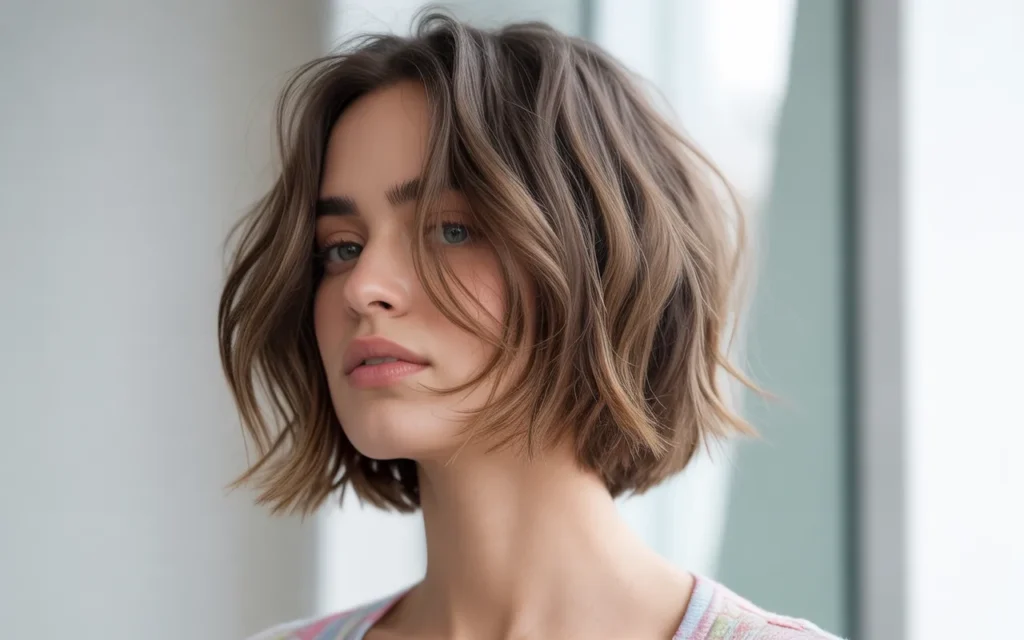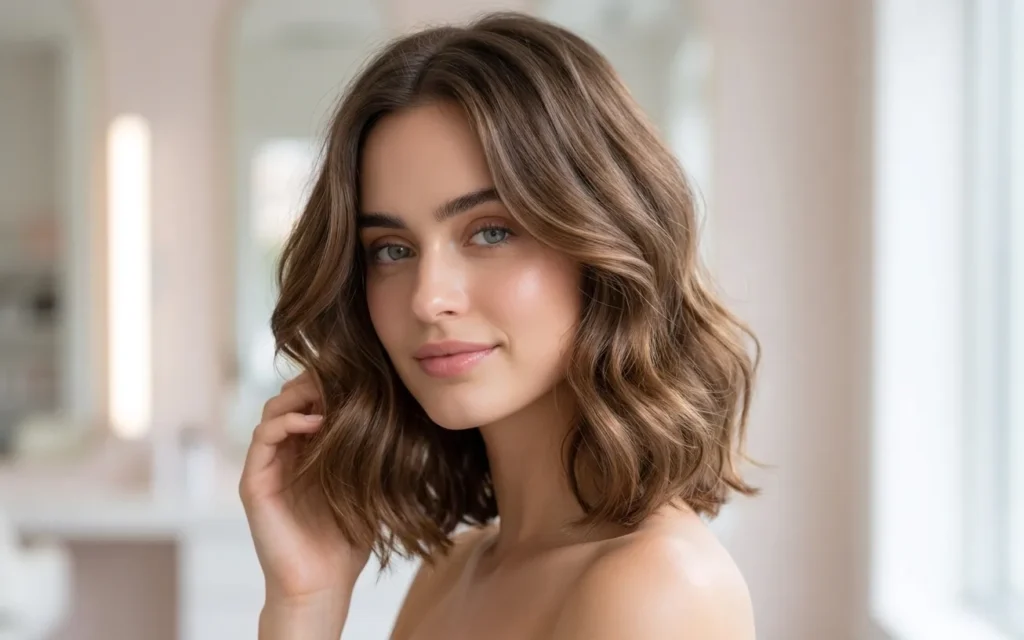
Temperatures cool and wardrobes shift to cozy layers, hair often needs a seasonal refresh too. Fall hairstyles short thin hair offer an easy way to create the appearance of fuller, bouncier strands without relying on heavy styling products every morning. From textured pixie cuts to structured bobs and effortless half-up looks, the right style can help fine hair look naturally thicker while staying easy to manage. Along with choosing a flattering cut, simple techniques and accessories make a noticeable difference in keeping volume throughout the day. Whether you’re searching for short hairstyles for thin hair, volumizing fall haircuts, or short fall hair ideas that work with changing weather, these carefully selected styles combine practicality, movement, and seasonal charm for a fresh new look.
1. Textured Pixie Cut
A stylist removes weight from the crown with a razor or point-cutting shears, leaving choppy points along the top and sides. This tricks the eye into reading more density than the hair actually has. Fall humidity flattens fine hair fast, so work a light matte paste through dry strands to keep the texture from collapsing by noon. The cut suits round or square faces particularly well, since the height at the crown elongates the face. If you wear glasses, ask for shorter layers near the temples so the frames don’t compete with the cut.
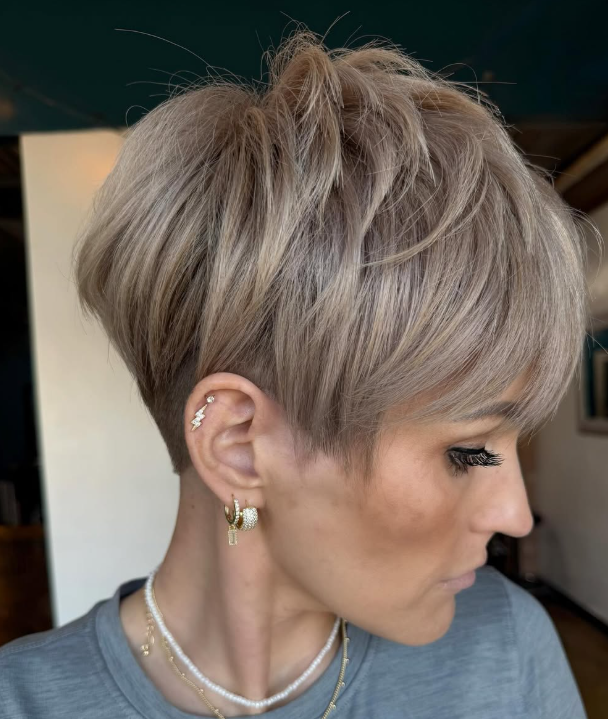
2. Layered Pixie Bob
This hybrid keeps a bit more length at the nape and sides than a standard pixie, so you don’t have to commit to an ultra-short cut. Layers through the crown lift fine strands away from the scalp, while the length below the ears softens the shape. Try pairing this cut with warm balayage tones like caramel or copper, since the layers catch light differently at each level. Blow-dry with a round brush pointed at the roots to build lift before you style the ends. The result reads polished enough for work and relaxed enough for weekends.
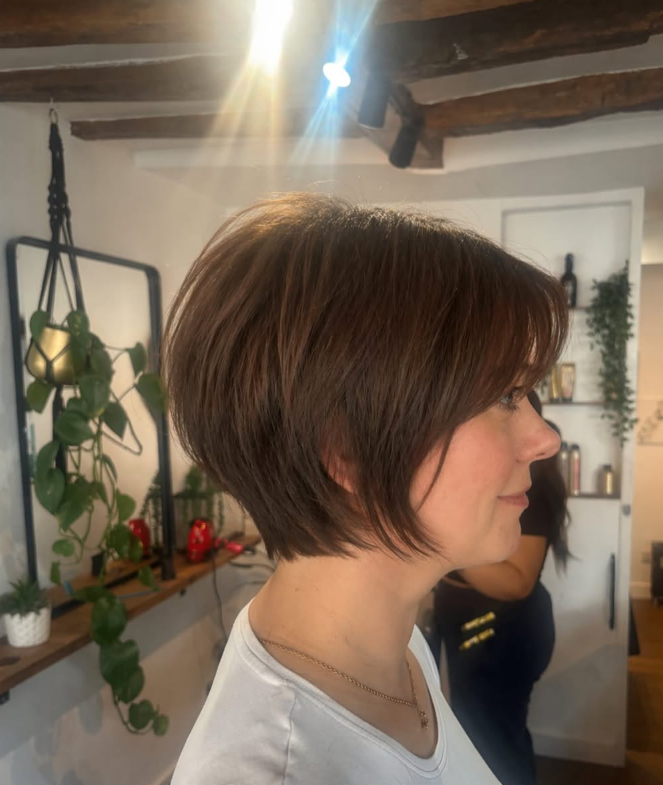
3. Soft Shag Pixie
A shag pixie mixes choppy, feathered layers with a slightly longer top section, so fine hair gets visible movement instead of one flat plane. Ask your stylist to cut the layers unevenly on purpose, since no two pieces should fall at exactly the same length. This unevenness reads as texture even without curling or waving the hair. Scrunch a sea-salt or texturizing spray into damp hair before drying to bring out the separation that fall weather tends to flatten. The shag pixie also grows out gracefully, which helps if salon visits get less frequent once the weather turns cold.
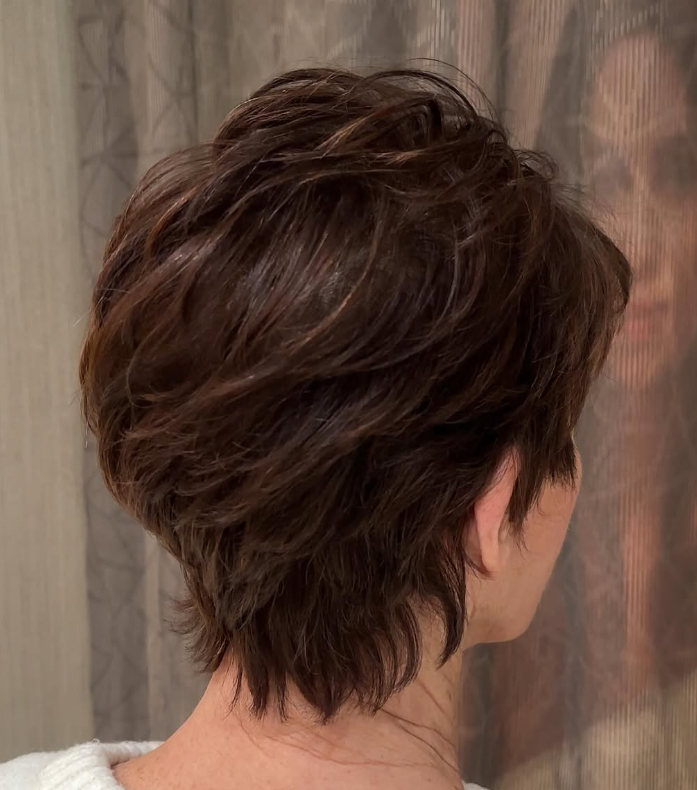
4. Bixie Cut
The bixie sits between a bob and a pixie, usually landing at or just below the jaw with pixie-length layers on top. Because the crown stays short, thin hair gets lift exactly where it needs it, while the lower length keeps styling options a full pixie doesn’t offer. Smooth a small amount of leave-in cream over the mid-lengths to control the flyaways that fall’s drier air tends to cause. This length also works well under a beanie, since it’s long enough to peek out at the front without going flat underneath.
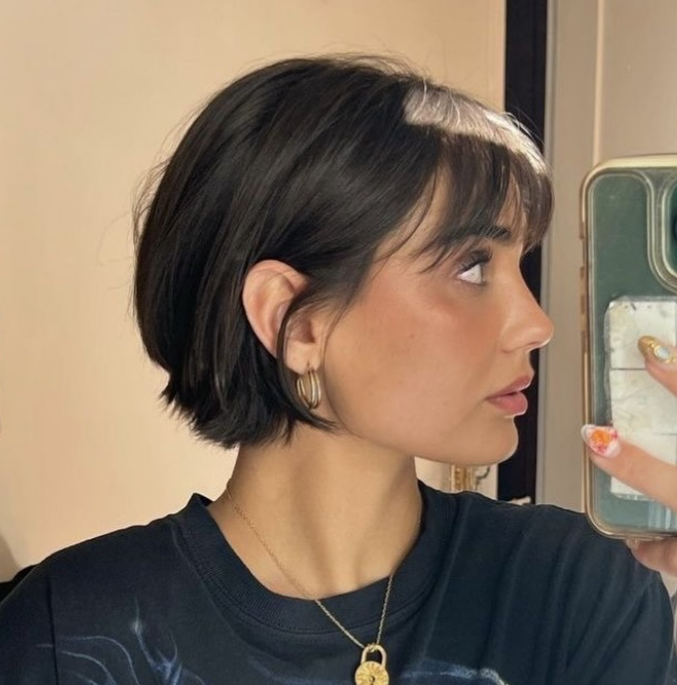
5. Choppy Crop Cut
Disconnected layers and blunt, cut-in points break up the silhouette of thin hair, so the unevenness reads as intentional rather than grown-out. Because the layers sit close to the head, fine strands carry very little length to weigh them down, which keeps volume at the roots through the day. Rub a small amount of dry wax between your palms, then press it (don’t rake it) into the ends to avoid a stringy finish. Anyone who wants a low-maintenance style that still looks deliberate should consider this cut first.
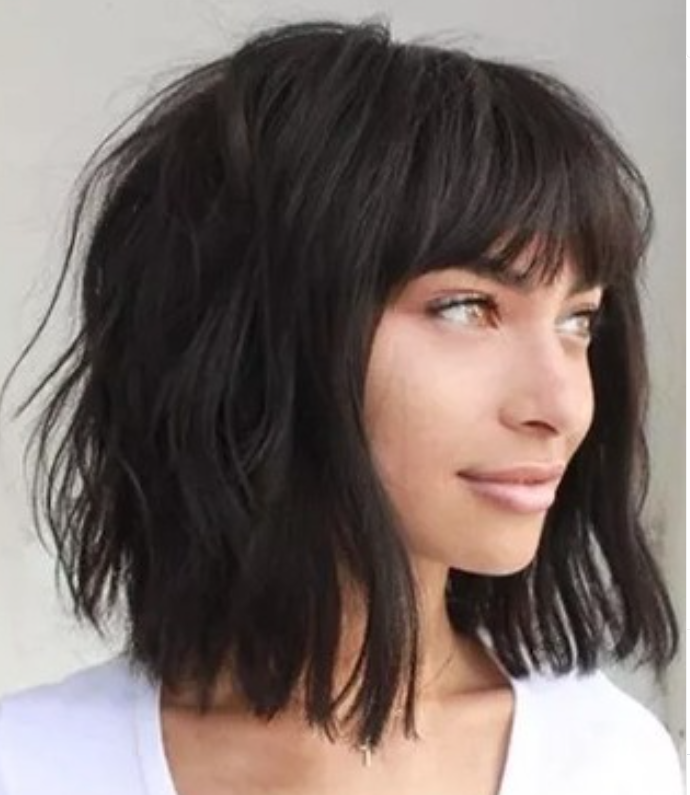
6. Mini Wolf Cut
The wolf cut brings heavy layering and a shaggy crown to short hair, and the mini version keeps the overall length near the chin or above. Short choppy layers on top build volume automatically, while slightly longer pieces around the face soften the look. This cut photographs especially well with fall’s popular auburn and chestnut tones, since the layers reveal tonal variation as they move. Use a diffuser on low heat when drying to protect the natural texture instead of blowing it flat. Fine hair benefits from the heavy layering here, since it removes bulk at the ends without cutting length everywhere.
7. Side-Swept Pixie
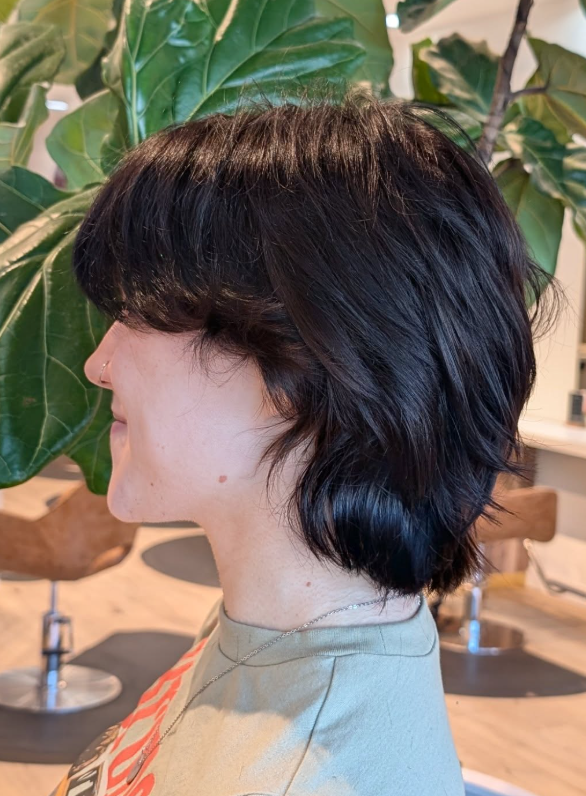
A side-swept pixie keeps the top long enough to sweep across the forehead, while the sides and back stay cropped short. This asymmetry adds interest without adding real weight, since only one section extends past the others. Run a small amount of pomade through the longer pieces to hold the sweep against wind and static, both common fall hazards for fine hair. Oval and heart-shaped faces suit this style especially well, since the diagonal line across the forehead softens angular features. The swept section also tucks easily under a hat brim without losing its shape.
8. Feathered Pixie
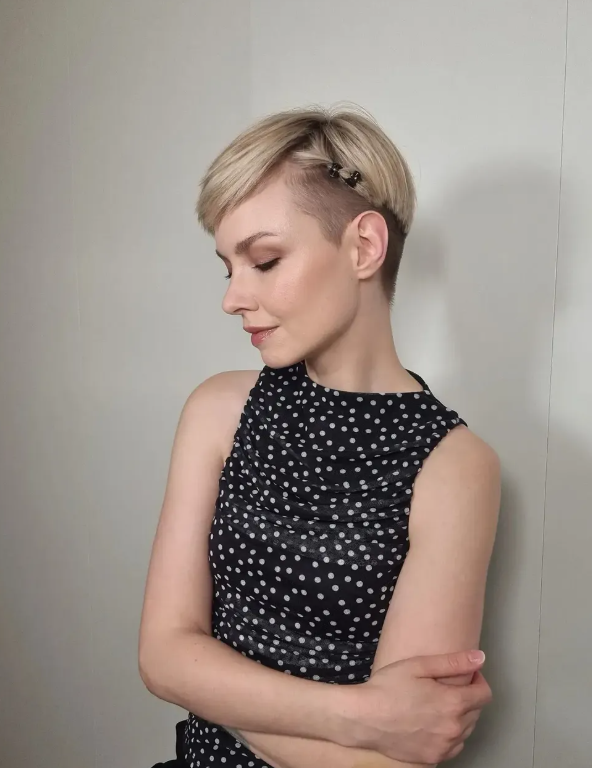
Feathering points the ends slightly outward instead of cutting them blunt, which gives thin hair a soft, wispy finish rather than a heavy one. The technique works especially well around the crown and temples, where it lifts hair away from the scalp. Set the shape with a round brush and low-heat blow-dry before you add any product. This cut tends to soften features, which is why people often choose it over a blunt pixie. Fall’s cooler, drier air actually helps this style hold its shape longer than the humid summer months allow.
9. Tapered Pixie Cut
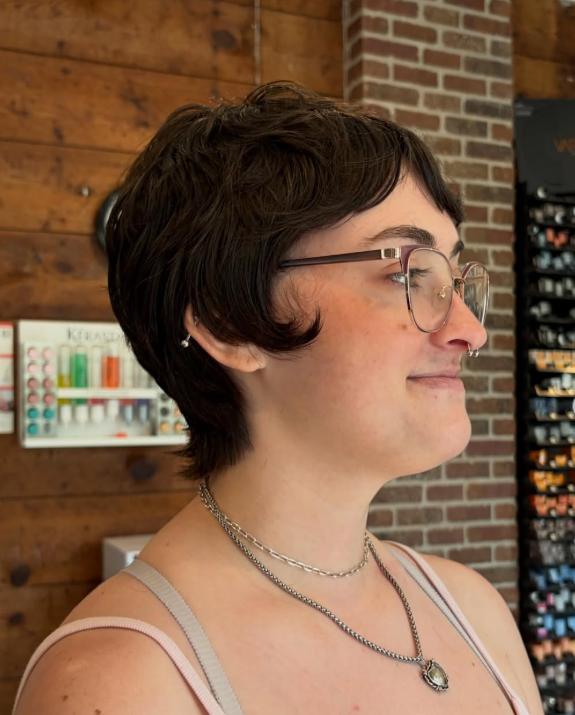
Tapering gradually shortens the hair at the nape and sides, creating a clean line that contrasts with the more textured length on top. For fine hair, this contrast does most of the volume-building work, since the eye reads the shorter sides as a frame for a fuller crown. The taper also grows out more evenly than a blunt undercut, so you can stretch out salon visits during busy fall months. Style the top with a texturizing cream to keep separation visible, and leave the tapered sides alone. Anyone who wants a slightly edgier finish without a dramatic shaved section should try this cut.
10. Curly Pixie Cut
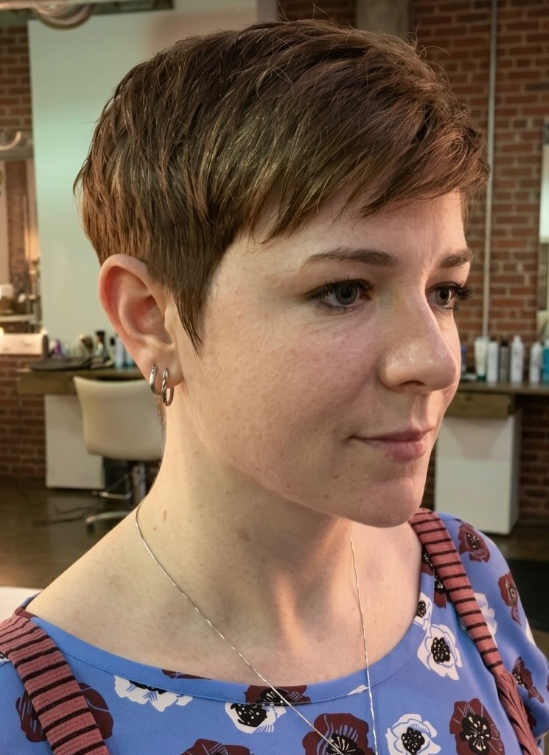
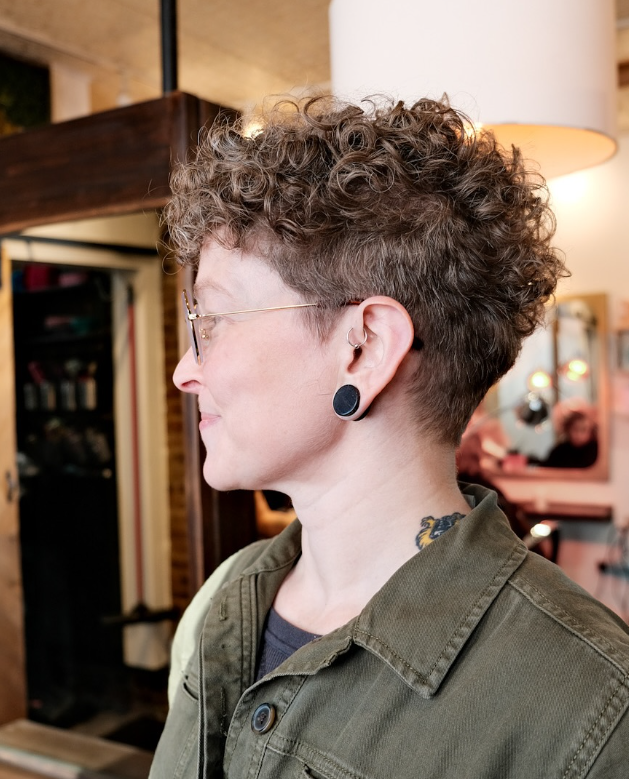
Short length keeps curls from stretching under their own weight, which happens more often with longer cuts. Ask your stylist to cut curls dry, or at least check the shape while dry, since curls spring up differently than straight hair once cut. Apply a lightweight curl cream to damp hair to help curls hold their pattern through fall’s shifting humidity levels. This cut adapts to coils, waves, and everything in between, though the exact layering should change based on curl type. It also needs less daily styling than longer curly cuts, simply because there’s less length to manage.
11. Piecey Pixie Style
“Piecey” describes the finish, not the cut itself: you separate and define individual sections rather than blending them into one smooth shape. Work a small amount of pomade or wax between your fingertips, then press it through a pixie of almost any length to create this look. The technique adds texture without the product buildup that weighs fine hair down. It photographs well and adapts to both polished and undone looks, depending on how much separation you create. It also disguises regrowth between cuts, since pieced-out texture hides uneven lengths better than a smooth style would.
12. Tousled Crop
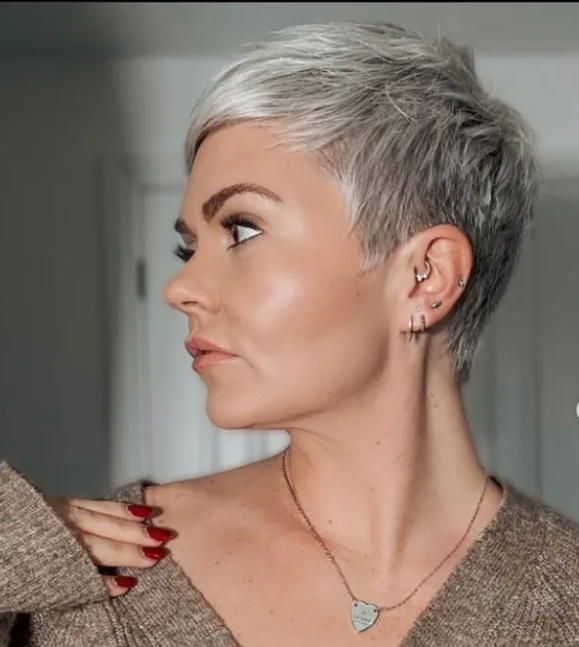
A tousled crop takes a short, layered cut and styles it to look slightly undone, with pieces pointing in different directions instead of lying flat. This works because thin hair often looks better with a little irregularity than with a perfectly smooth finish, which can emphasize sparseness. Rough-dry the hair with your fingers instead of a brush, then add a texturizing spray to hold the shape. Fall’s cooler temperatures help this kind of product set faster than summer heat does, so the style holds through a full day. Anyone who wants short hair without an overly “done” look should reach for this technique.
13. French Bob with Soft Bangs
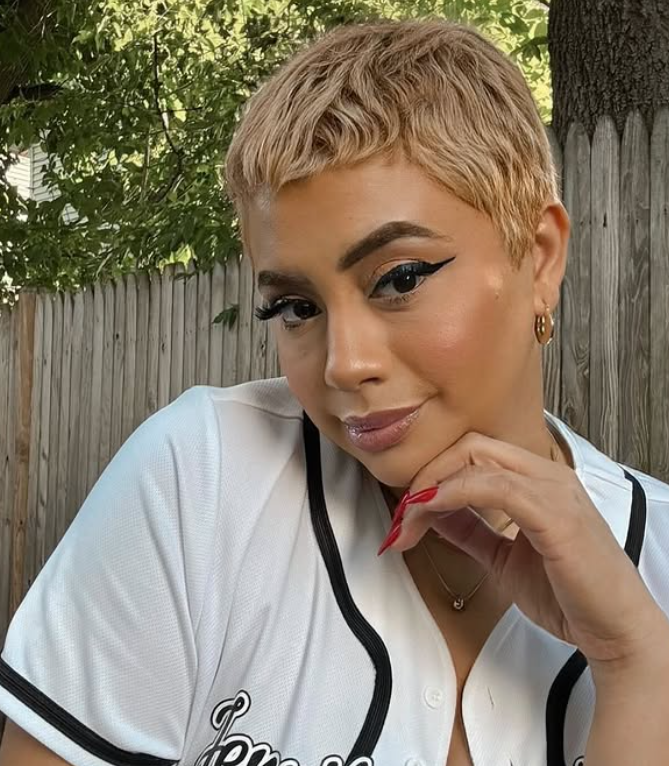
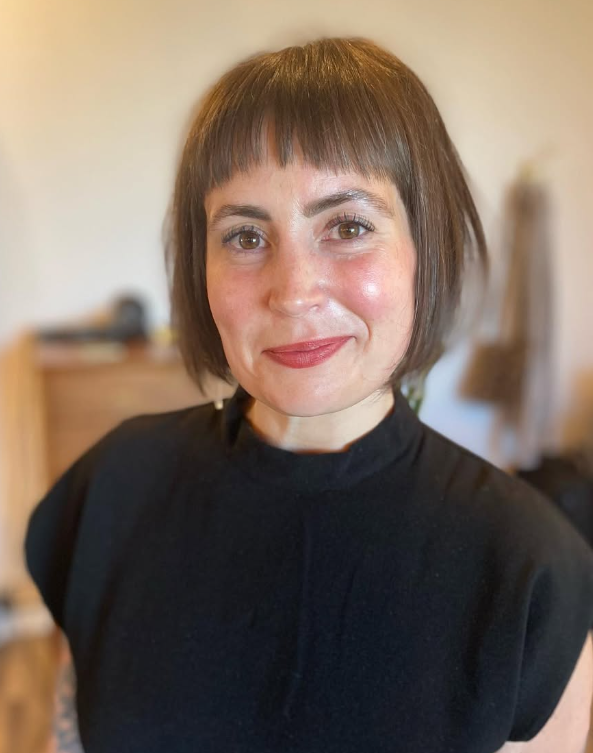
The French bob sits at or just above the chin, paired with soft, slightly parted bangs that skim the eyebrows. Because the cut is short and blunt, thin hair appears thicker at the ends than it would in a longer, layered style. The soft bangs add texture at the front without the heaviness of a full, blunt fringe. Apply a light mousse to damp hair, then blow-dry with a round brush to build the bob’s characteristic rounded shape. This style pairs naturally with fall’s warmer color palettes, since the blunt line shows off single-process colors like chestnut or espresso.
14. Classic Blunt Bob
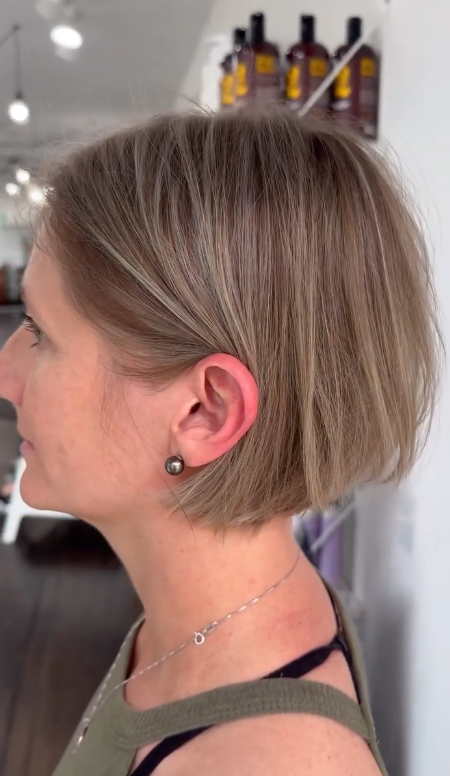
A blunt bob follows one straight line, usually between the chin and the collarbone, without layers to break up the ends. This uniform length is one of the most effective ways to make thin hair look fuller, since every strand ends at the same point and reads as thicker. Find a stylist experienced with precise, blunt cutting, since even small unevenness stands out on this shape. Style it straight for a sleek finish, or add loose waves for a softer fall look. Because the cut has no layers, plan on trims every six to eight weeks to maintain the line.
15. Wispy Bangs with Short Hair
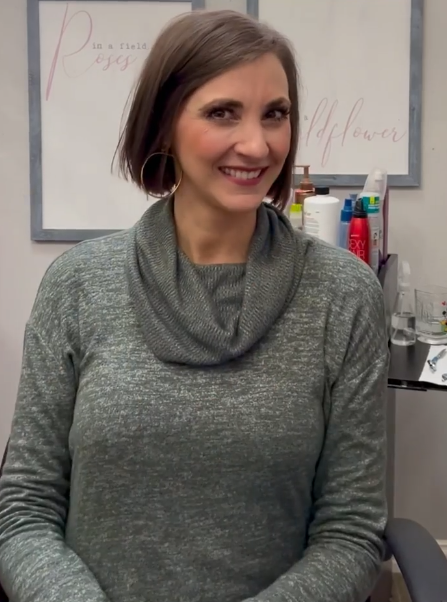
A stylist thins wispy bangs with a razor or point-cutting technique, so they lie softly across the forehead instead of forming one dense block. This matters for fine hair, since a heavy, blunt fringe can look disproportionate against thinner strands elsewhere. Wispy bangs also grow out more gracefully, skipping the awkward in-between stage that blunt bangs go through. A light-hold hairspray keeps them in place without weighing them down, which helps given fall’s mix of wind and static. These bangs pair with nearly every short cut on this list, from pixies to bobs.
16. Curtain Bangs with Short Hair
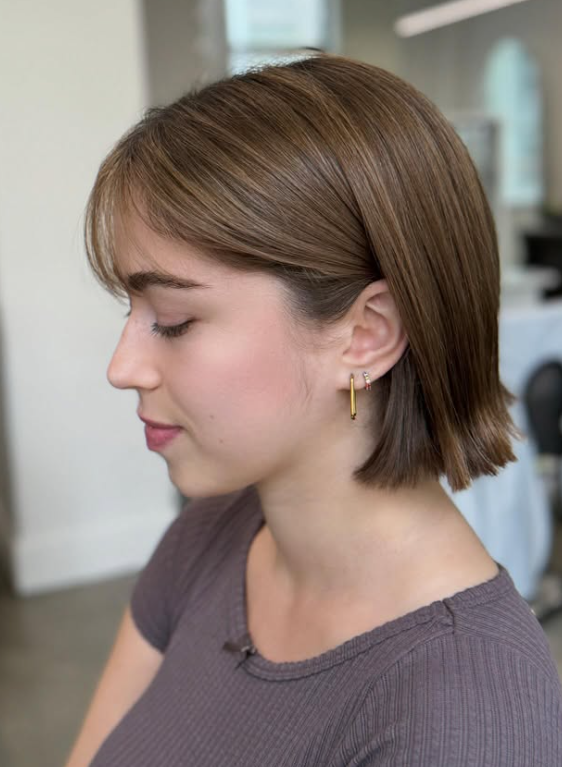
Curtain bangs part down the middle and sweep to either side, framing the face rather than covering the forehead. On short hair, they soften more angular cuts like blunt bobs or tapered pixies. Because the bangs blend into the rest of the cut instead of standing apart, they need less daily styling than a full, blunt fringe. Use a round brush while blow-drying to train the curtain shape, especially during the first few weeks after a fresh cut. This style flatters most face shapes, which explains why stylists keep recommending it season after season.
17. Braided Crown Accent
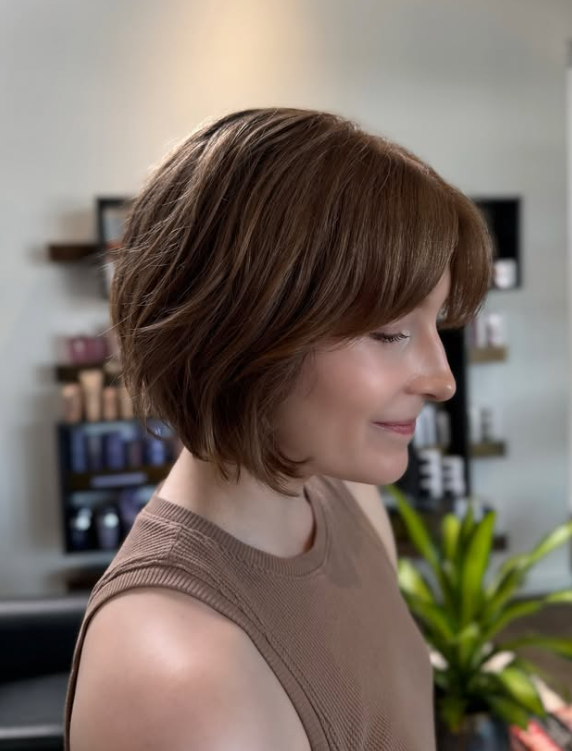
Rather than braiding a full crown, which needs more length, braid one small section near the temple or part and pin it back. This adds a decorative detail without requiring enough hair for a full braid around the entire head. Keep a thin French or Dutch braid tight against the scalp, since this holds best on shorter lengths. This detail suits fall gatherings where a bit more polish feels appropriate, from holiday dinners to weekend outings. Style the braid alone, or combine it with loose waves in the rest of the hair.
18. Finger Waves on Short Hair
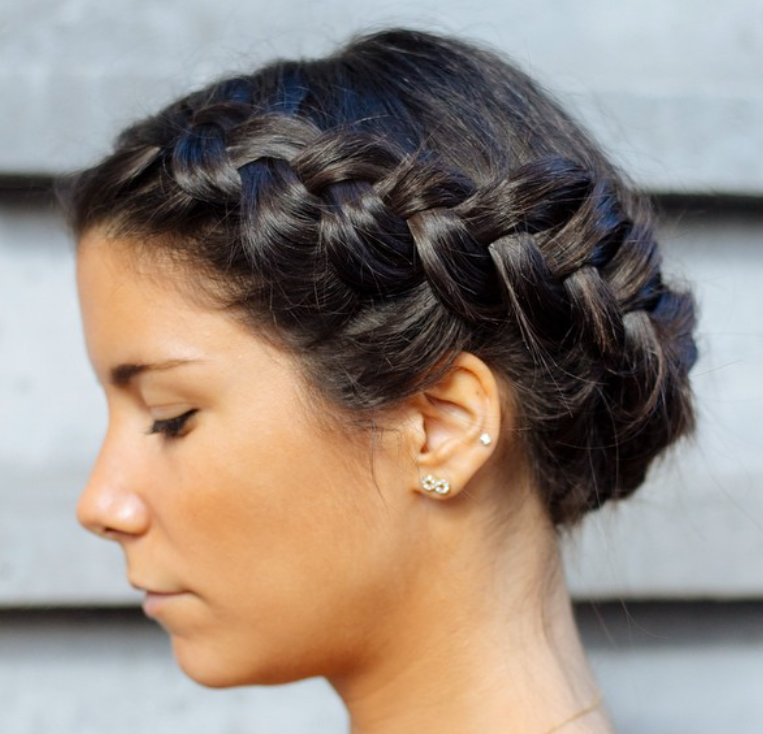
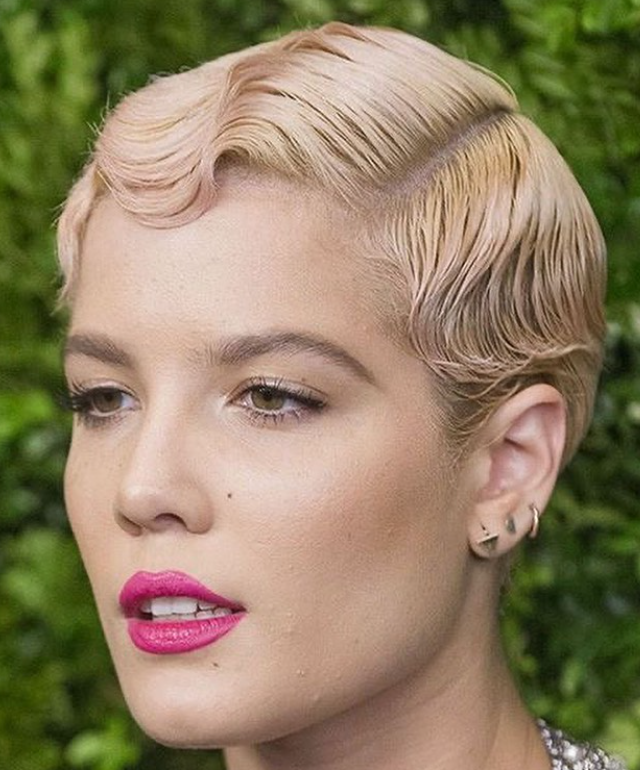
Finger waves use your fingers and a fine-tooth comb to press S-shaped waves close to the scalp while a light-hold gel sets them in place. This vintage-inspired technique works particularly well on short hair, since the waves stay visible without extra length pulling them out. The style takes practice to master, but it holds for a full day once dry, ideally under a hood dryer or a silk scarf tied over it. Fine hair actually holds finger waves cleanly, since there’s less weight working against the shape. This look pairs well with polished fall outfits, from blazers to knit dresses.
19. Soft Curls for Fine Short Hair
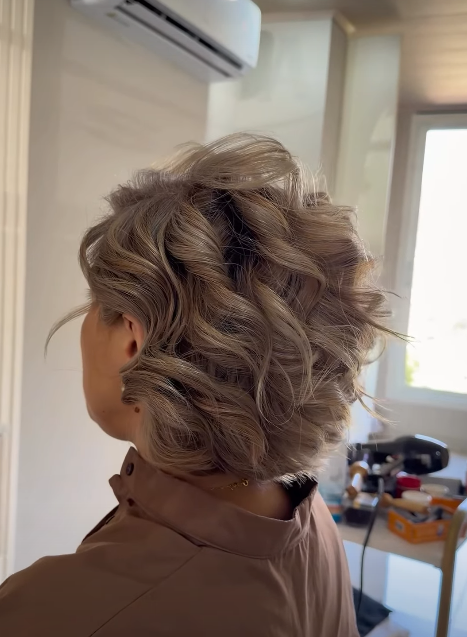
Loose, soft curls add visible volume to short, thin hair without looking overly done. Use a curling wand between three-quarter and one inch in diameter to create a wave loose enough to still read as texture rather than a tight ringlet. Curl alternating sections in opposite directions, then brush through gently once cool, to avoid a uniform look. A light-hold hairspray applied from a distance holds the curl without stiffening hair that already lacks body. This style suits fall events where a bit more polish feels appropriate, like dinners or parties.
20. Deep Side Part Style
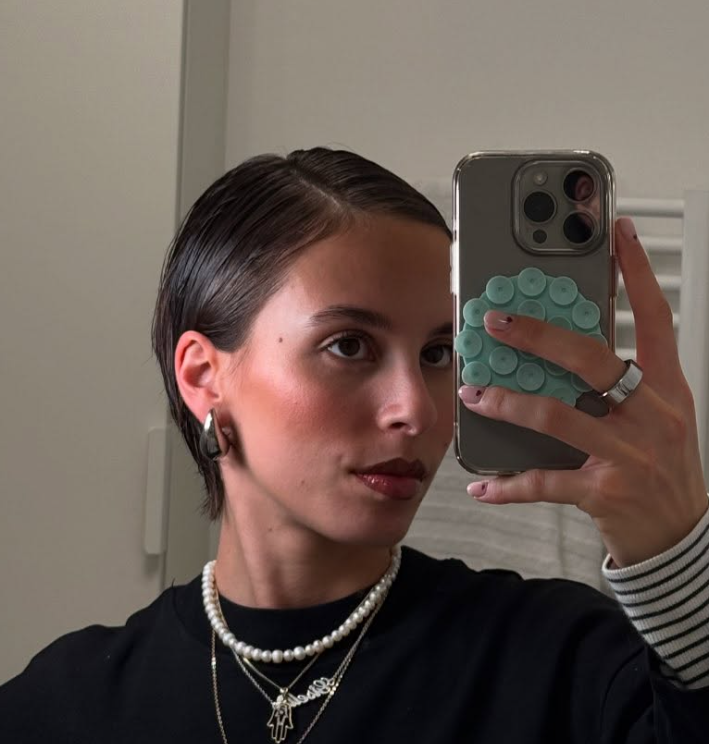
Moving the part from the center to deep on one side instantly adds height at the root, since more hair gets pushed up and over than lies flat. This is one of the simplest changes you can make for extra volume, since it needs no cutting and only a bit of root-lifting spray. A deep side part also changes the overall shape of a cut, softening a blunt bob or adding asymmetry to a pixie. Blow-dry the roots in the opposite direction of the part before combing hair into place to build lift that lasts. This trick works on nearly any short length and takes only a few extra minutes.

21. Slicked-Back Short Hair
A strong-hold gel or pomade pulls all the hair away from the face, creating a sleek, uniform look. On short hair, this style works especially well since there’s little length to fight against the direction of the slick. Apply product to damp hair, then comb it back in sections before it dries, for the cleanest finish. This look suits colder fall days when a more structured style feels appropriate for work or events. Because it relies on product rather than curl or wave, it also holds up well against fall wind and light rain.
22. Flipped-Out Ends
Flipping the ends outward, rather than curling them under, gives short hair a retro, slightly playful shape. Roll a round brush outward while blow-drying, or use a flat iron to flick the ends away from the face, to create the effect. The flipped shape adds width at the jawline, which can balance a narrower forehead or chin. This style works particularly well on bobs and longer pixies, where there’s enough length at the ends to catch and hold the flip. A light flexible-hold spray keeps the ends flipped without making them stiff.
23. Messy Textured Look
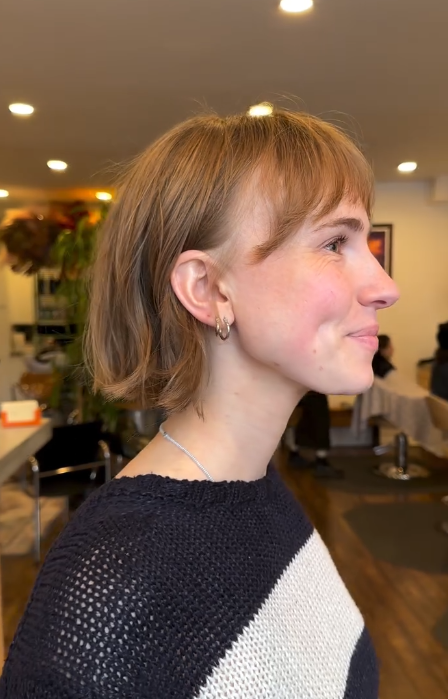
Work a texturizing spray or dry shampoo through the roots and ends to break up the smoothness of a fresh cut. Tousle the hair with your fingers rather than a brush to keep the texture uneven and natural-looking. This actually helps thin hair, since a bit of roughness at the roots reads as more volume than a perfectly smooth finish. Dry shampoo does double duty here, adding grip to the hair while soaking up the extra oil fall’s cooler temperatures can bring. This look takes only a few minutes, which makes it useful on busy mornings.
24. Natural Airy Texture Style
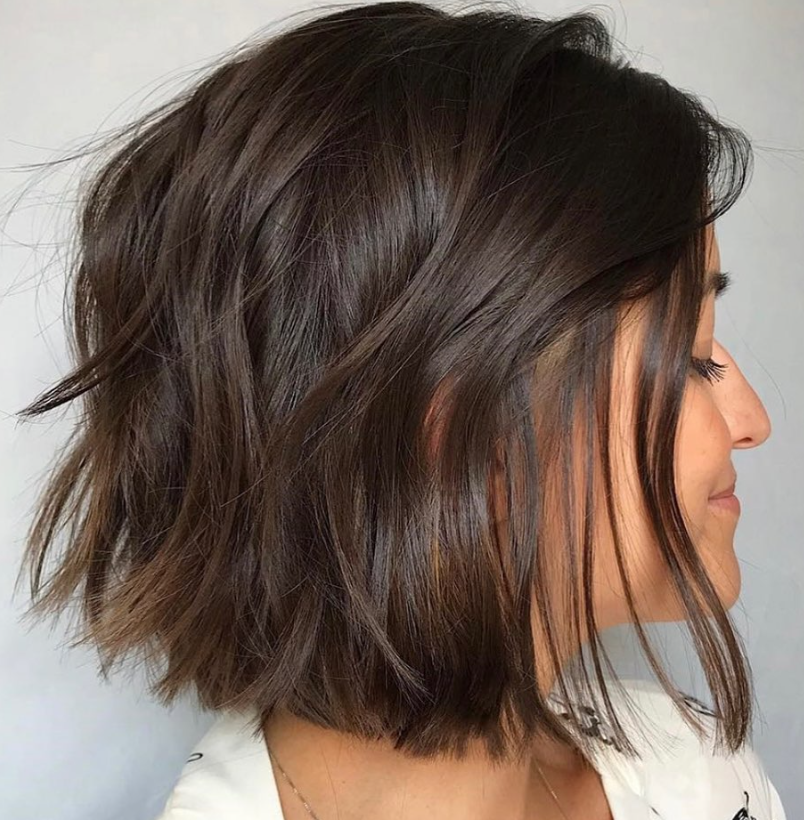
This approach leans into whatever texture your hair naturally has, using minimal product and no heat styling at all. Smooth a lightweight, non-greasy cream over damp hair to control frizz without flattening the natural pattern. Let hair dry on its own, then shake it out with your fingers once fully dry, to keep the style loose rather than fixed in place. Fine hair often looks fullest when it isn’t overworked with brushes or heat tools, since natural texture already provides some lift. Anyone who wants their hair to look effortless should try this style, even though a little product does quiet work underneath.
25. Half-Up Twist
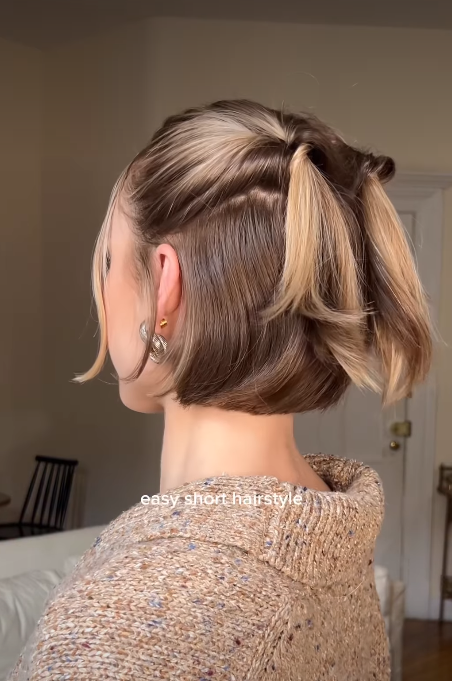
Gather the top section of hair, twist it once or twice, and secure it with a small clip or pin, leaving the rest down. This style works best on hair at least chin-length, since shorter pieces tend to slip out of the twist. Twisting rather than pulling into a full ponytail adds texture and structure with very little effort. It keeps hair off your face on windy fall days while leaving enough length down to keep the cut’s shape visible. A few bobby pins hidden underneath the twist help it hold through a full day.
Final Thoughts
Short, thin hair actually has an advantage during fall: shorter lengths carry less weight, so fine strands hold volume and shape more easily than longer cuts do. The right combination of cut, texture, and finishing style solves most of the season’s common hair problems, from static under sweaters to flatness caused by shifting humidity. Try a few different options from this list instead of committing to just one, since that’s the fastest way to find out which techniques actually work for your hair type and face shape. Book trims every six to eight weeks for most short cuts, since a sharp shape is what lets these texture and volume tricks actually show. With the right approach, fall hairstyles short thin hair ideas become much easier to wear throughout the season rather than one of the hardest.