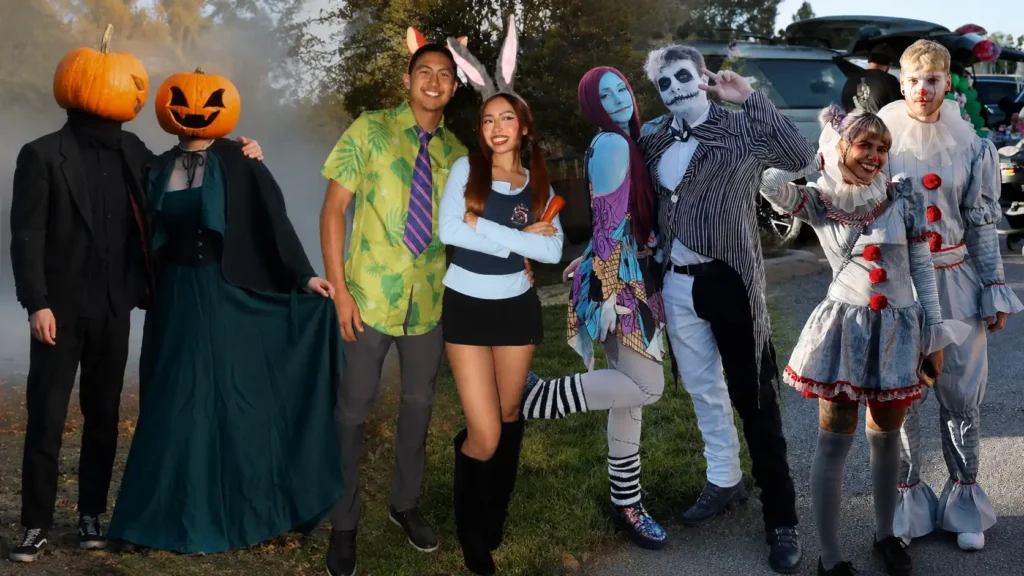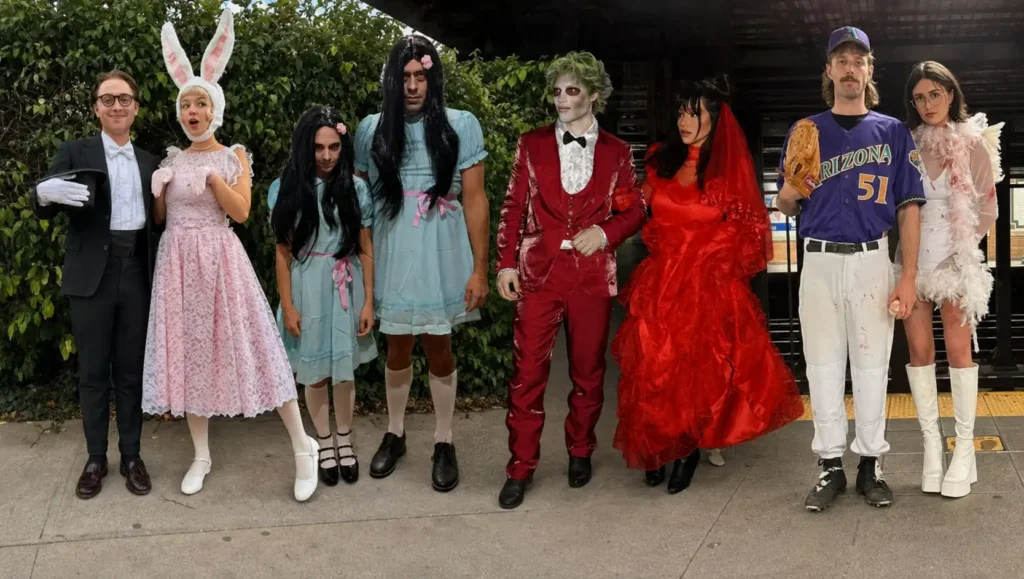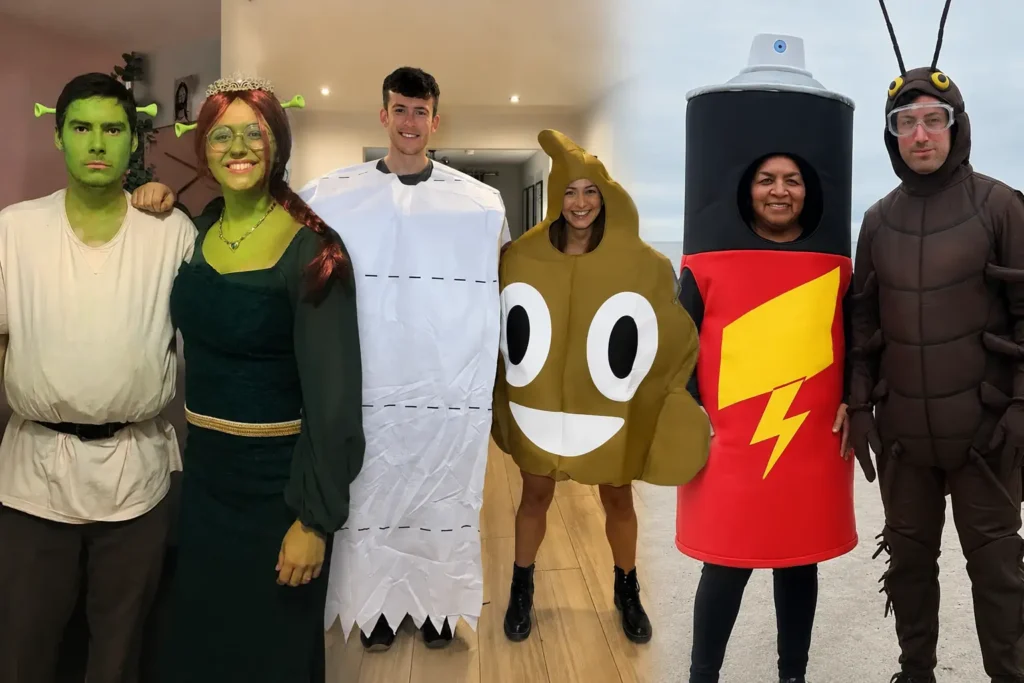
Movie characters, animated favorites, storybook figures, and iconic dolls can all inspire a costume that feels instantly recognizable while still leaving room for personal styling. Halloween costume ideas for a teenage girl can take many directions, from teenage girl Halloween costumes based on familiar characters to character costume ideas that work for solo outfits or coordinated group plans. Some depend on a signature silhouette, while others are defined by a hairstyle, accessory, or memorable detail. Each idea below focuses on clear visual cues, helping you compare different teen Halloween costume ideas and choose one that fits your personality, comfort, and plans for the night.
1. Cher Horowitz from Clueless
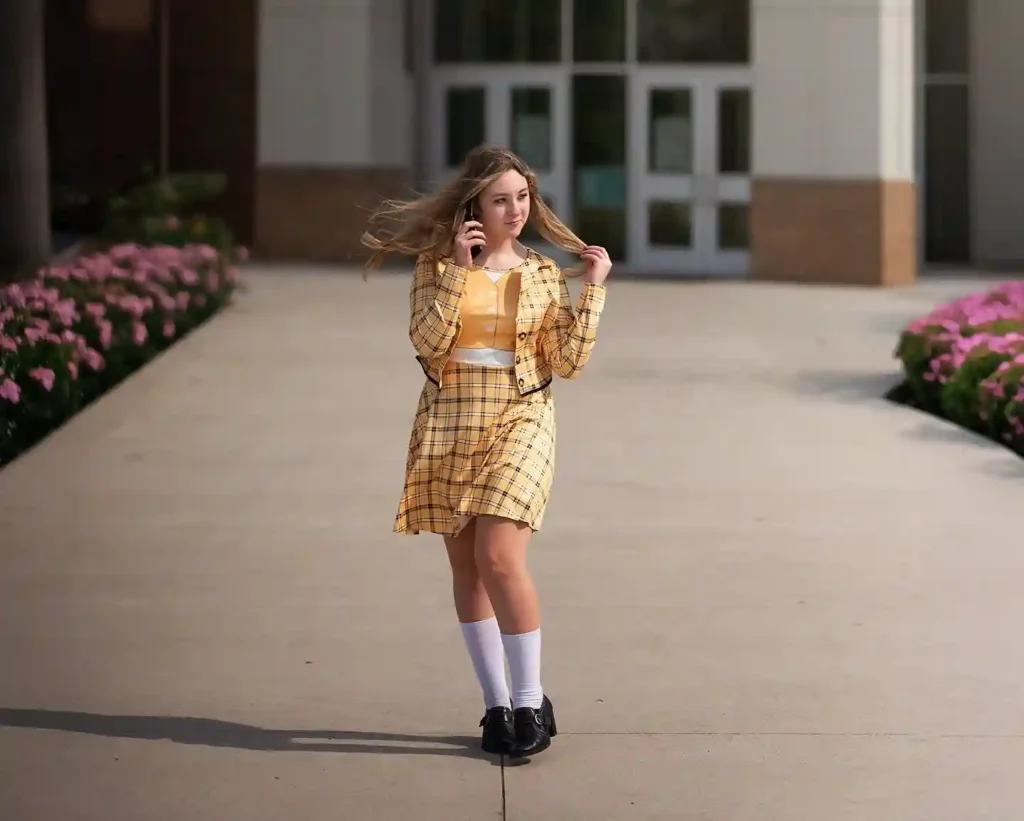
Cher Horowitz from Clueless centers on a coordinated school-inspired outfit and polished accessories that reflect her instantly recognizable character image. Matching pieces and a carefully put-together silhouette matter more here than piling on unrelated details. A small handbag or other character-appropriate accessory can help reinforce the reference. Keeping every piece neat and coordinated makes the costume read as Cher rather than a general preppy outfit.
2. Sabrina Spellman
Sabrina Spellman works best when the outfit balances an ordinary teenage wardrobe with details that hint at her connection to the supernatural. A simple dress or layered outfit can form the base, while a character-inspired hairstyle, book, or familiar symbol gives the idea more context. Avoid loading the costume with random witch accessories. Sabrina’s recognizable appeal comes from the contrast between her everyday appearance and her magical identity.
3. Wednesday Addams
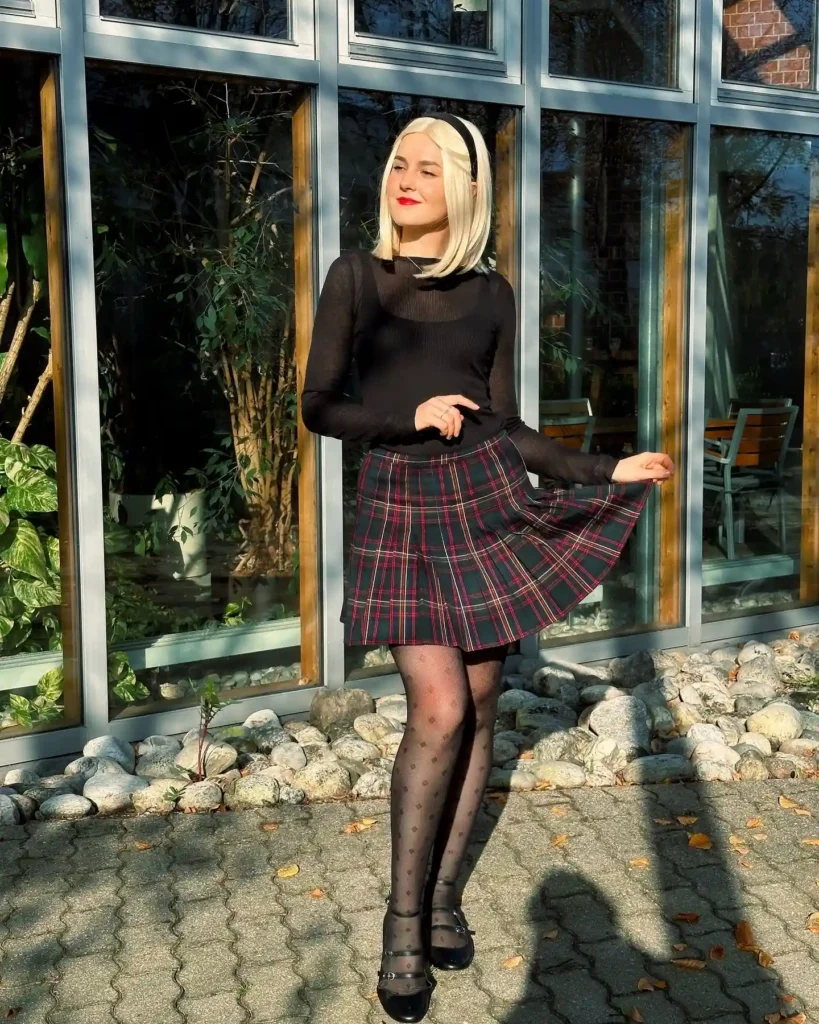
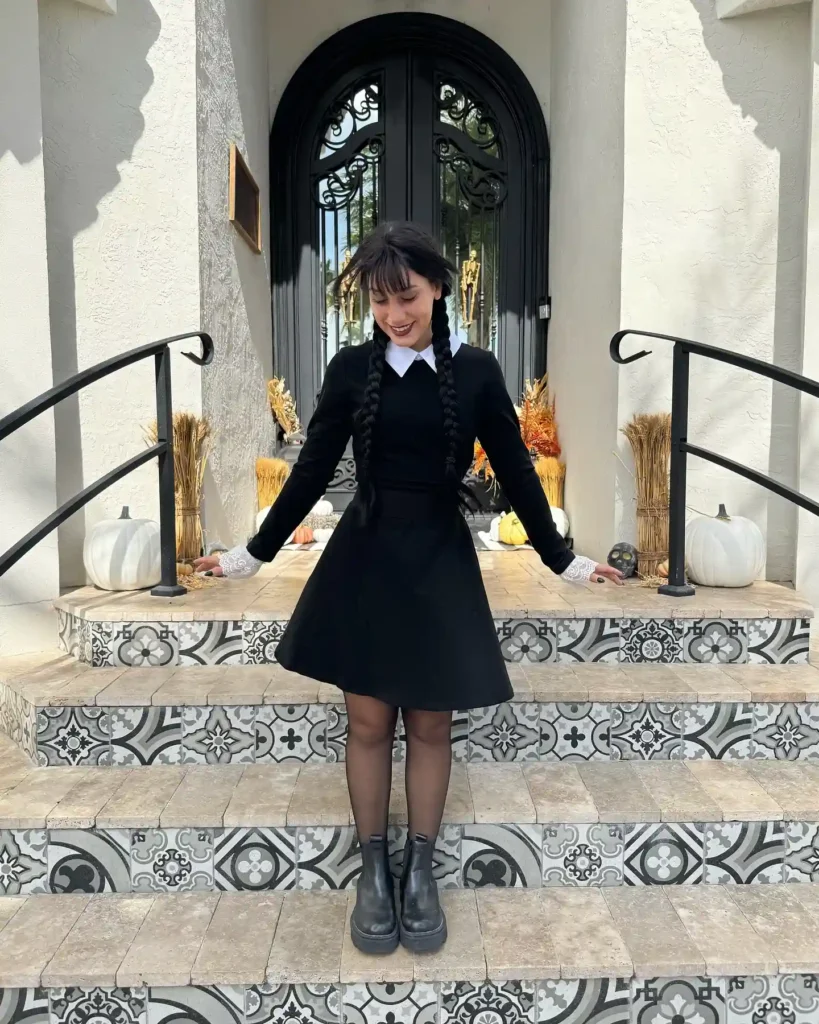
Wednesday Addams depends on a restrained silhouette, a collared outfit, and her unmistakable braided hairstyle. Straight posture and a serious expression can reinforce the character without requiring many extra pieces. Keeping the clothing simple helps the hairstyle remain one of the strongest identifying details. A small, character-related prop can work, but the costume is clearest when the braids and structured outfit stay central.
4. Regina George
Regina George draws from a polished high-school fashion image rather than a costume built around heavy accessories or props. Fitted clothing, carefully chosen jewelry, and a recognizable hairstyle can establish the character’s polished presentation. One reference to a memorable scene or character detail may make the costume easier to identify. Keeping the outfit coordinated is more effective than adding unrelated elements associated with teen movies.
5. Barbie Dreamhouse Doll
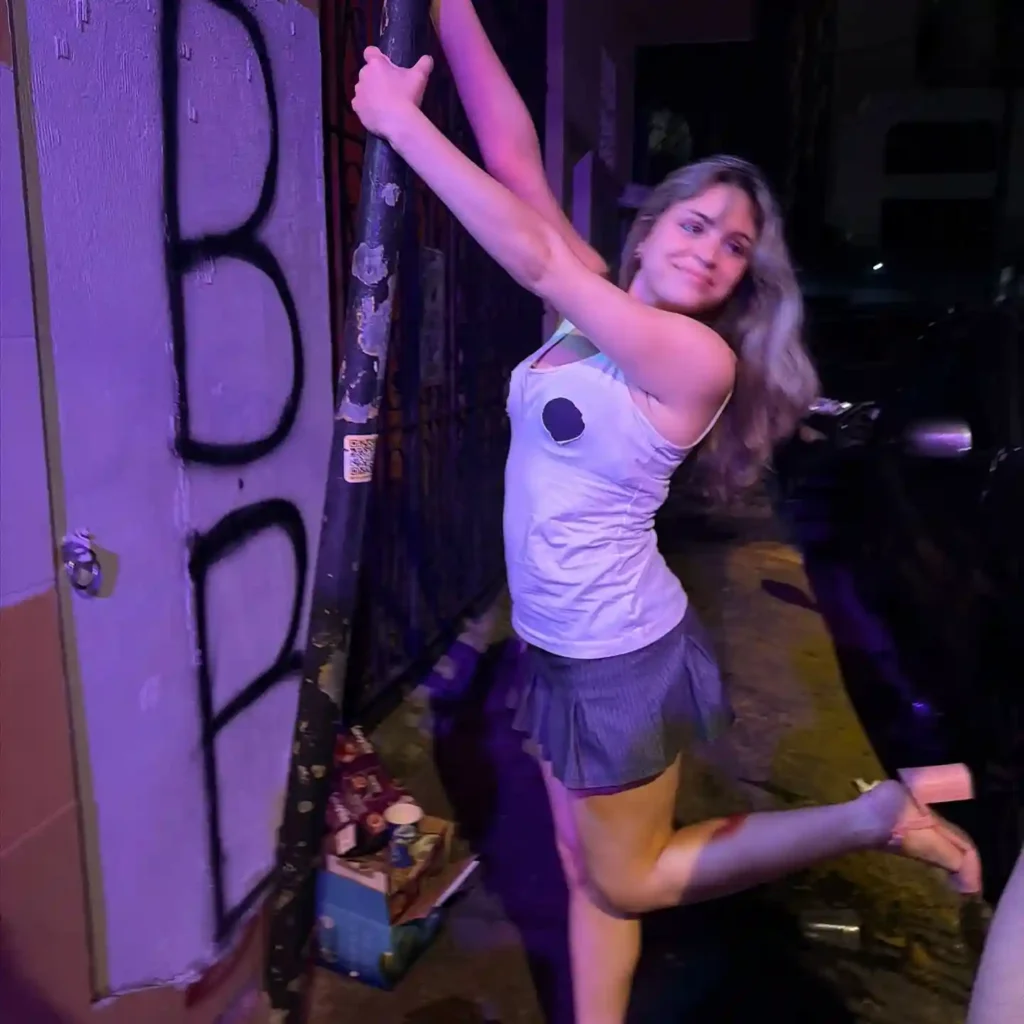
Barbie Dreamhouse Doll turns the wearer into a display-style version of the character, using a doll-like pose and packaging-inspired presentation. A structured frame or box can surround the outfit and immediately explain the concept. Clothing and accessories should support the doll theme rather than compete with the packaging element. Adding a printed name or Dreamhouse reference to the display gives the costume its strongest visual cue.
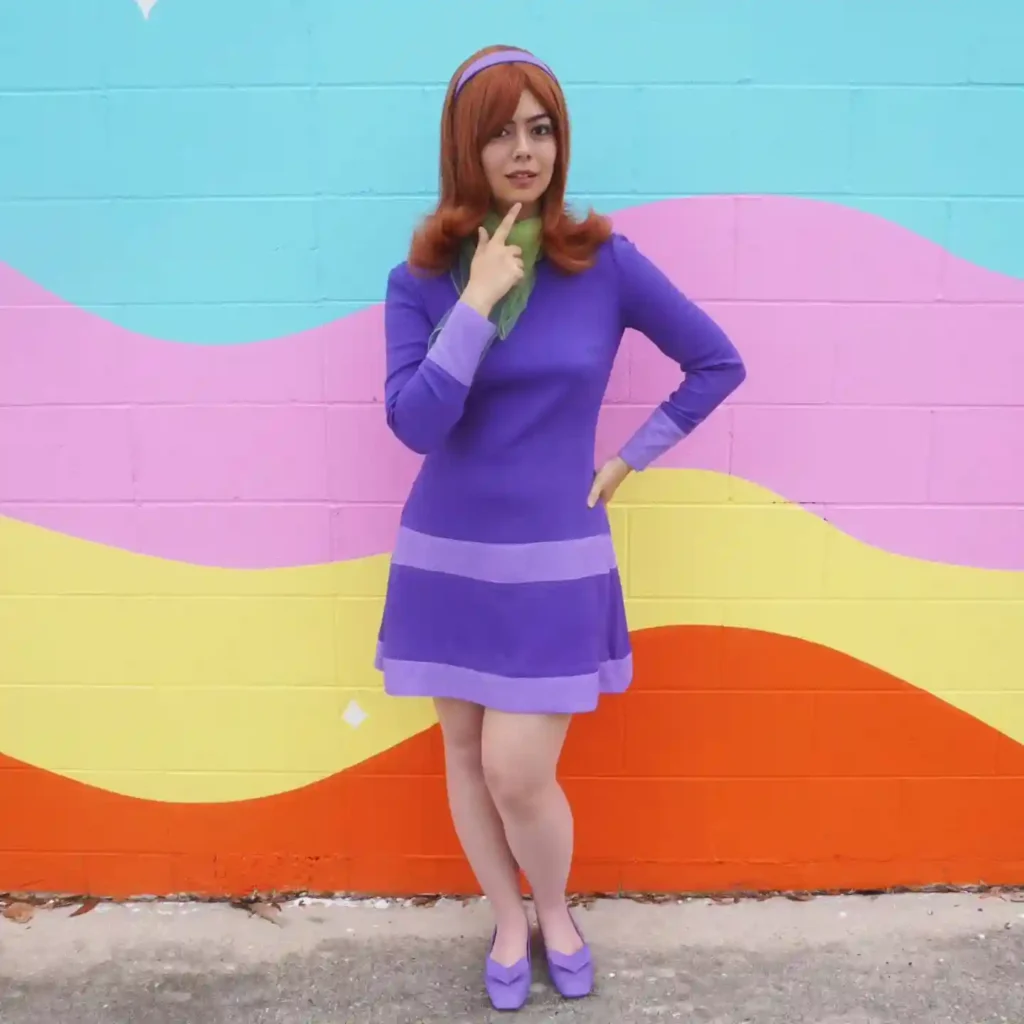
6. Daphne Blake from Scooby-Doo
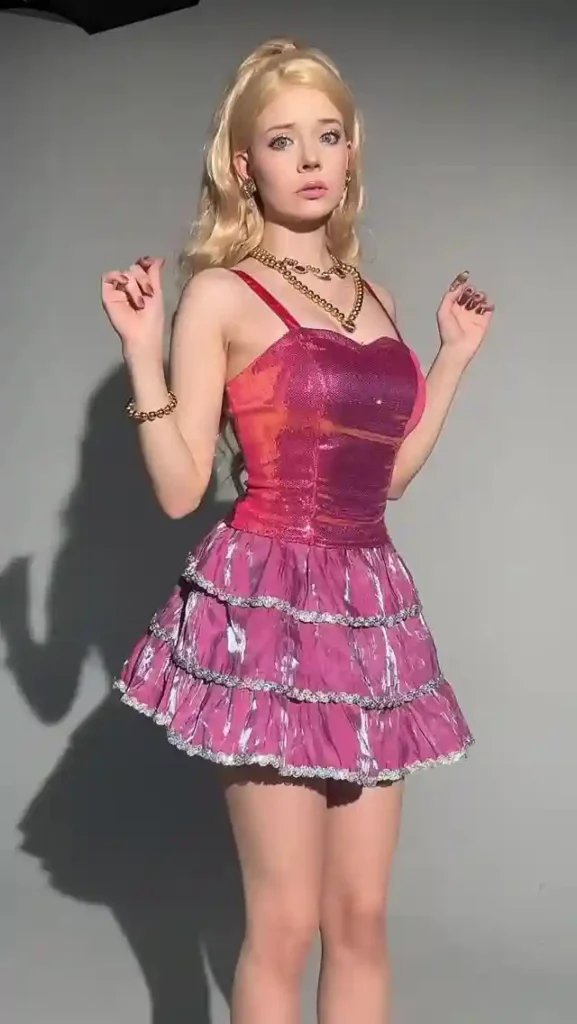
Daphne Blake from Scooby-Doo is recognized through her signature character styling, carefully arranged accessories, and polished mystery-solving persona. A coordinated outfit should follow her familiar animated silhouette without adding details borrowed from other Scooby-Doo characters. Hair and a small character-related accessory can strengthen the reference. Keeping the costume focused on Daphne prevents the finished outfit from reading as a general retro detective.
7. Sharpay Evans
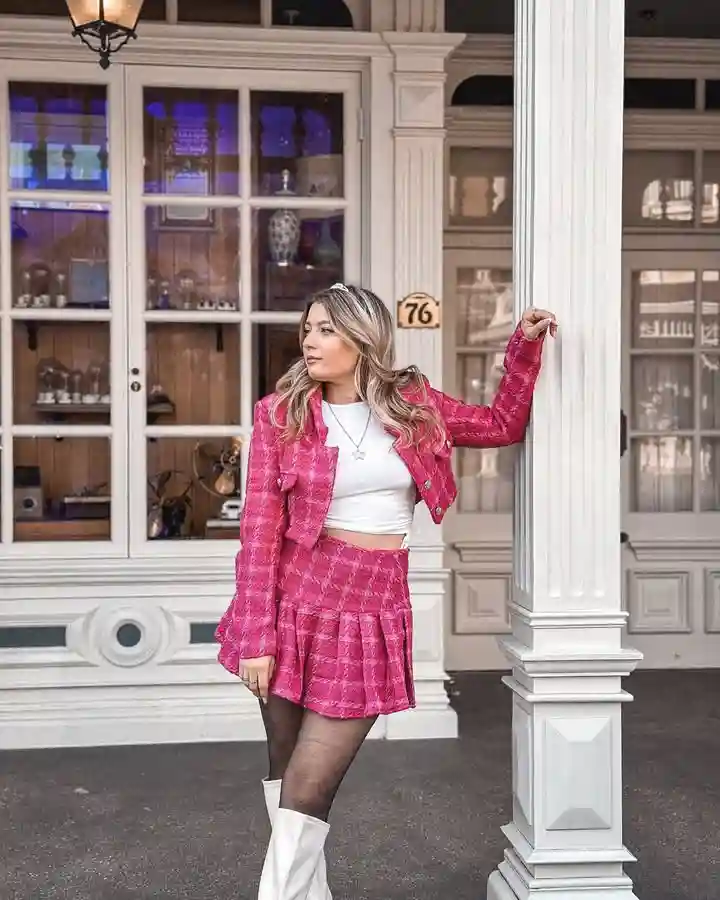
Sharpay Evans calls for a theatrical, polished outfit that reflects her dramatic stage presence and carefully controlled image. Glamorous accessories, a statement hairstyle, or a performance-inspired prop can point clearly toward the High School Musical character. Balance matters because the costume works best when one bold focal detail leads the outfit. A coordinated presentation captures Sharpay’s larger-than-life personality without turning the costume into a generic performer.
8. Princess Peach
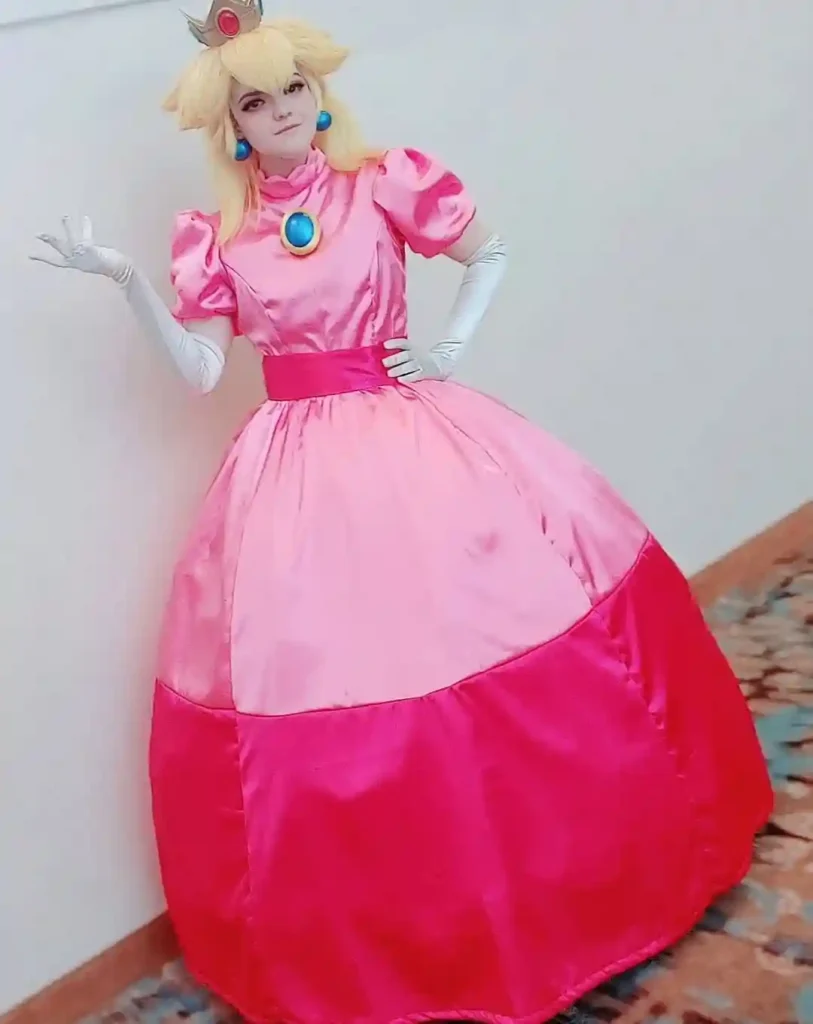
Princess Peach is easiest to recognize through a royal dress silhouette, crown, gloves, and other details connected to her Mushroom Kingdom identity. Focus on the shape and character symbols instead of adding unrelated princess accessories. A small game-inspired prop can provide extra context when the clothing alone feels too general. Keeping the royal elements clean and familiar helps the costume remain clearly tied to Peach.
9. Tinker Bell
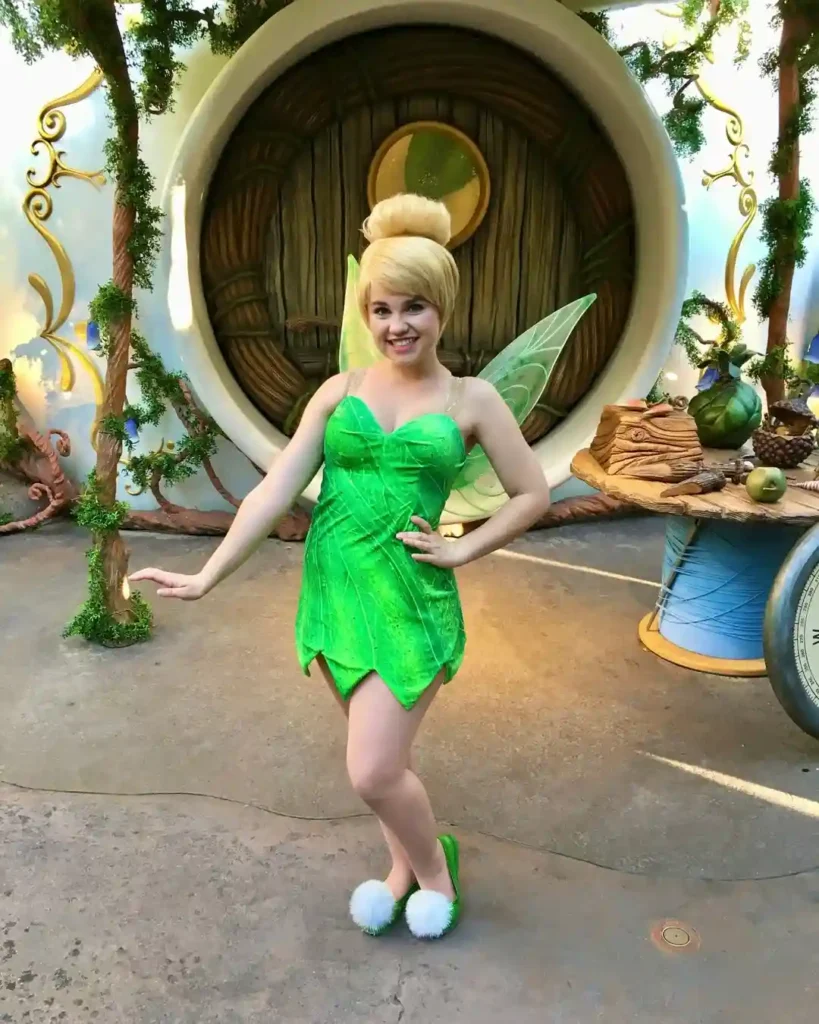
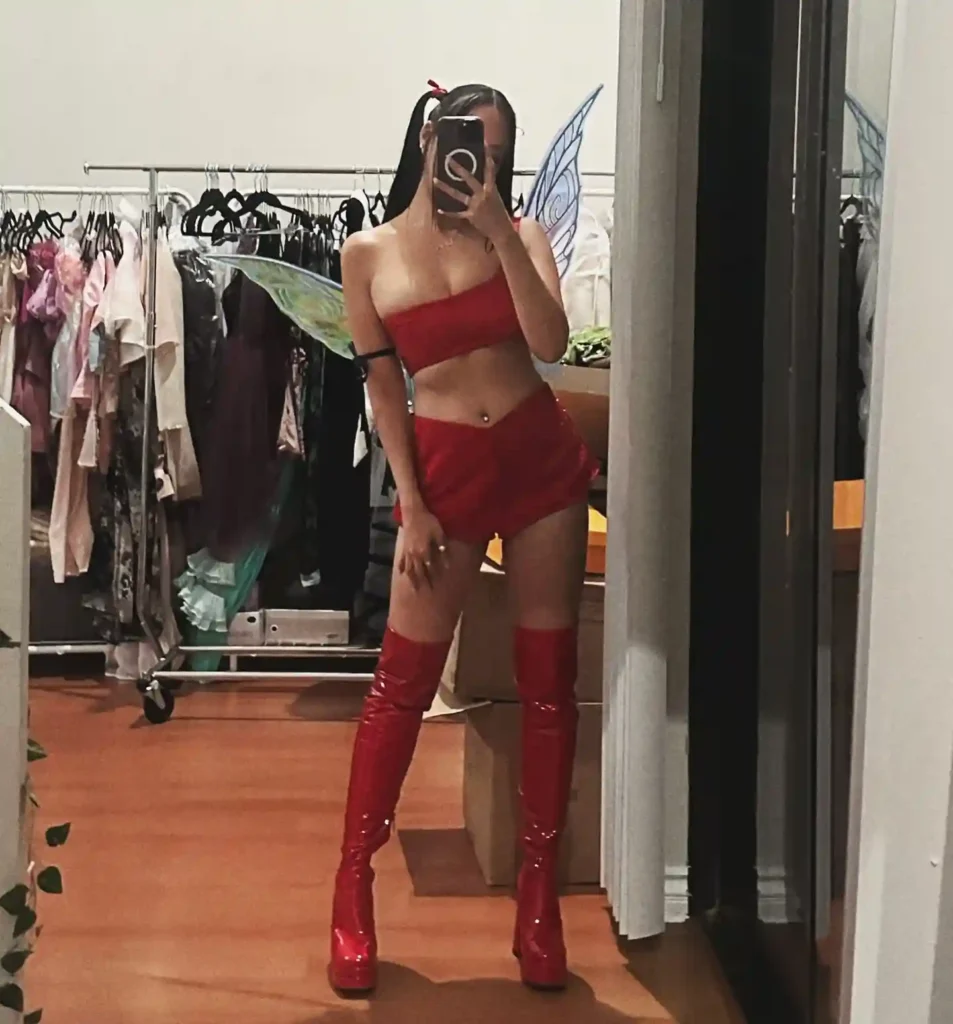
Tinker Bell relies on a fairy silhouette, wing details, and a playful character presentation rather than an elaborate costume with too many separate themes. A short fairy-inspired outfit provides the central shape, while the hairstyle and wings establish the character quickly. Small magical details can support the concept without overwhelming it. Movement also suits this costume, especially when the wings and layered pieces remain visible.
10. Winx Club Fairy
Winx Club Fairy gives more room for personal interpretation while still depending on the group’s recognizable animated fairy theme. Wings should act as the main character signal, supported by a fitted outfit and accessories that feel connected to one chosen Winx character. Selecting a specific member helps keep the costume focused. Distinctive character-inspired details work better than mixing random fairy elements from unrelated stories.
11. Beetlejuice-Inspired Girl
Beetlejuice-Inspired Girl uses the film’s offbeat world as inspiration while allowing a more personalized costume than a direct character copy. Structured pieces, exaggerated details, and theatrical makeup can hint at the Beetlejuice universe without duplicating another character exactly. Keeping the references selective prevents the outfit from becoming a collection of unrelated spooky elements. One or two strong visual nods will communicate the inspiration more clearly.
12. Monster High Doll
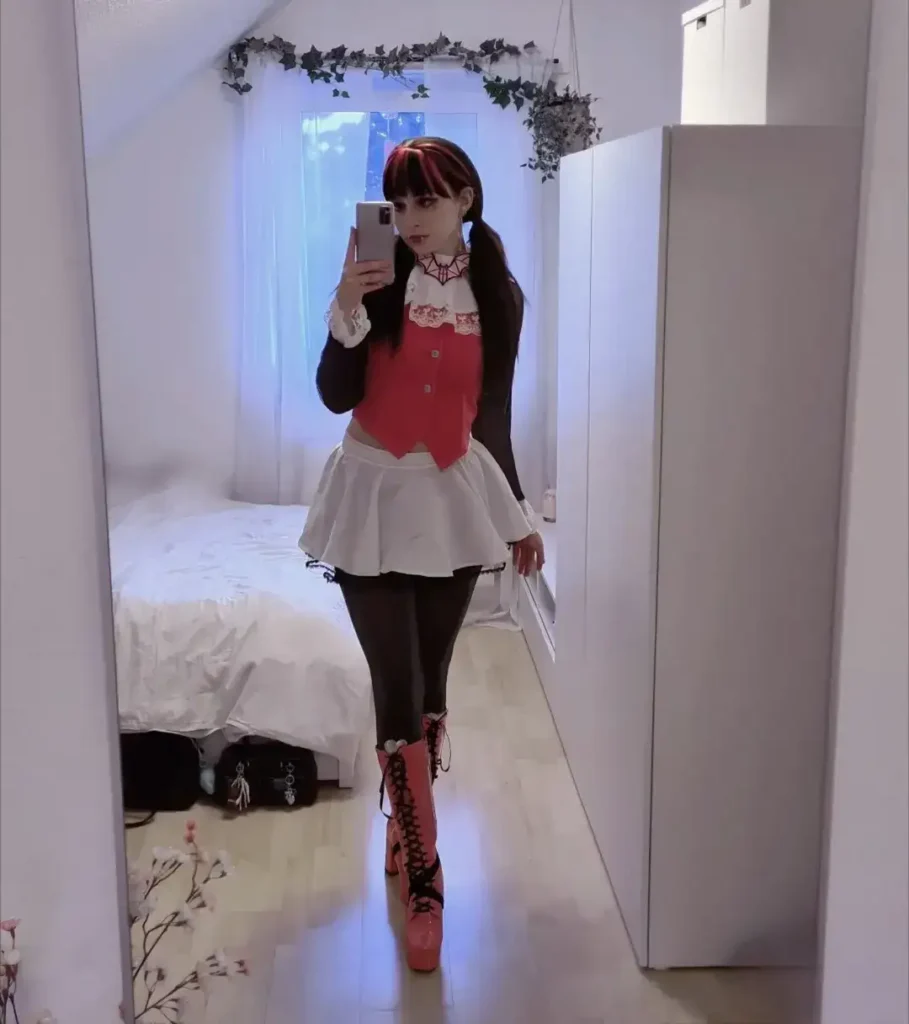
Monster High Doll works best when built around a specific doll character or a carefully planned doll-like version of the franchise’s monster-school theme. Dramatic hair, themed makeup, and character-inspired clothing can establish the concept quickly. Choosing one recognizable Monster High reference gives the outfit a clearer direction. Doll-like posing or exaggerated styling can then reinforce the character without needing extra props.
13. Bratz Doll
Bratz Doll centers on exaggerated proportions, statement clothing, prominent accessories, and the confident presentation associated with the franchise. A recognizable doll-inspired hairstyle can help establish the reference before smaller details are added. Oversized or bold accessories should support the fashion-doll concept rather than hide the outfit. Keeping the styling deliberate is important because the costume depends on that instantly recognizable Bratz attitude.
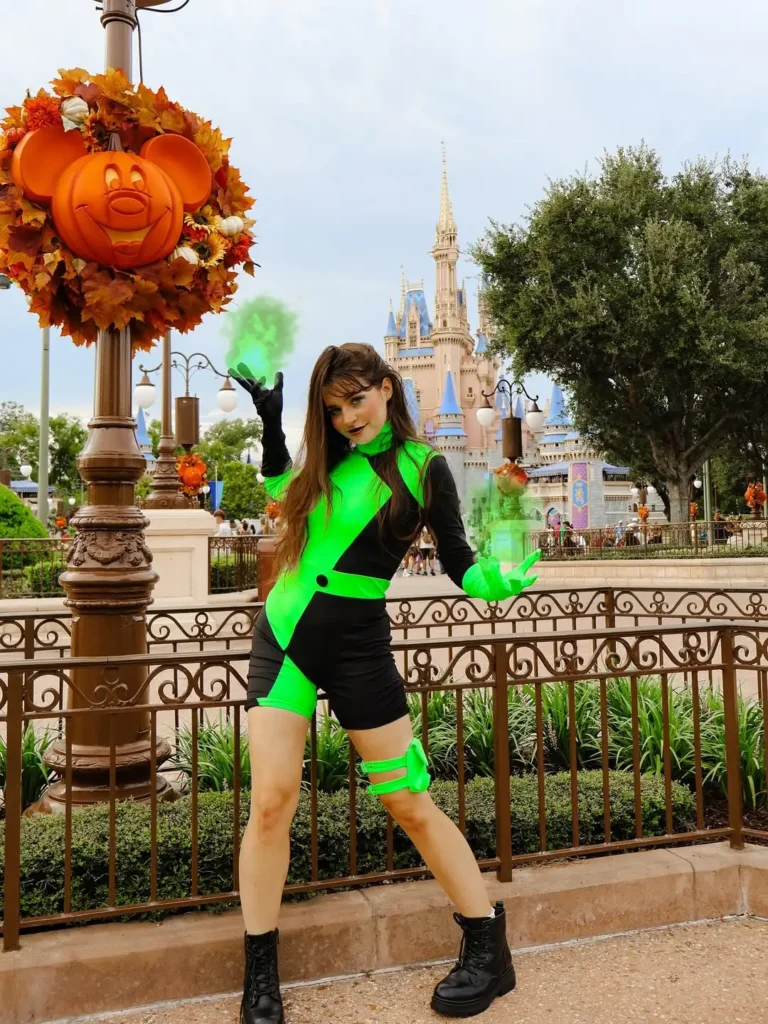
14. Kim Possible
Kim Possible is built around an action-ready silhouette and practical character details rather than elaborate decoration. Cargo-inspired pieces, gloves, and a mission-related prop can help identify the animated heroine. Focus on the balance between everyday clothing and her secret-agent role. A simple communicator-style accessory is often enough to make the character reference much clearer.
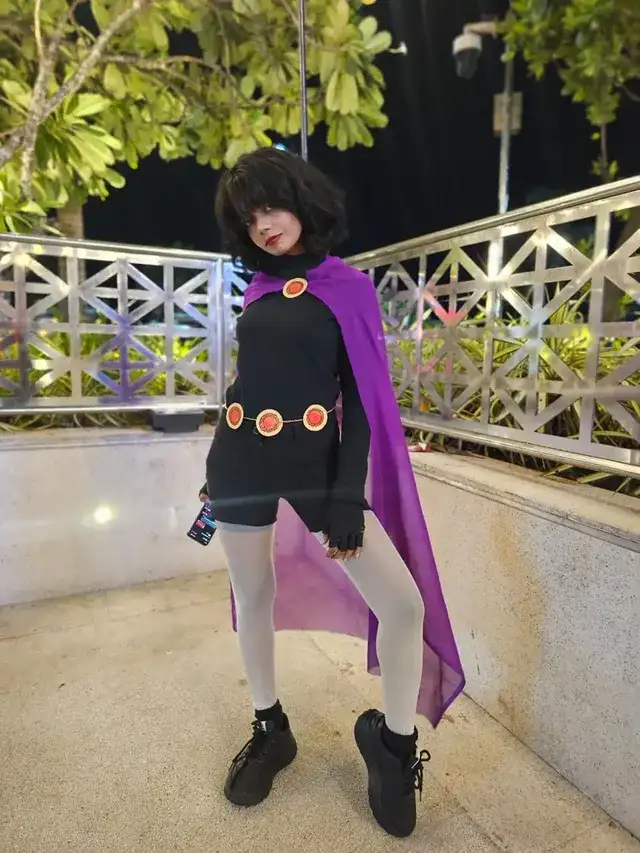
15. Raven from Teen Titans
Raven from Teen Titans depends on her dramatic hooded silhouette and the mystical details associated with her powers. A cape-like outer layer can establish her shape, while a carefully chosen symbol or accessory reinforces the Teen Titans connection. Keeping the face and costume details controlled suits Raven’s reserved personality. Excessive decoration can weaken the clean, recognizable outline that makes the character easy to identify.
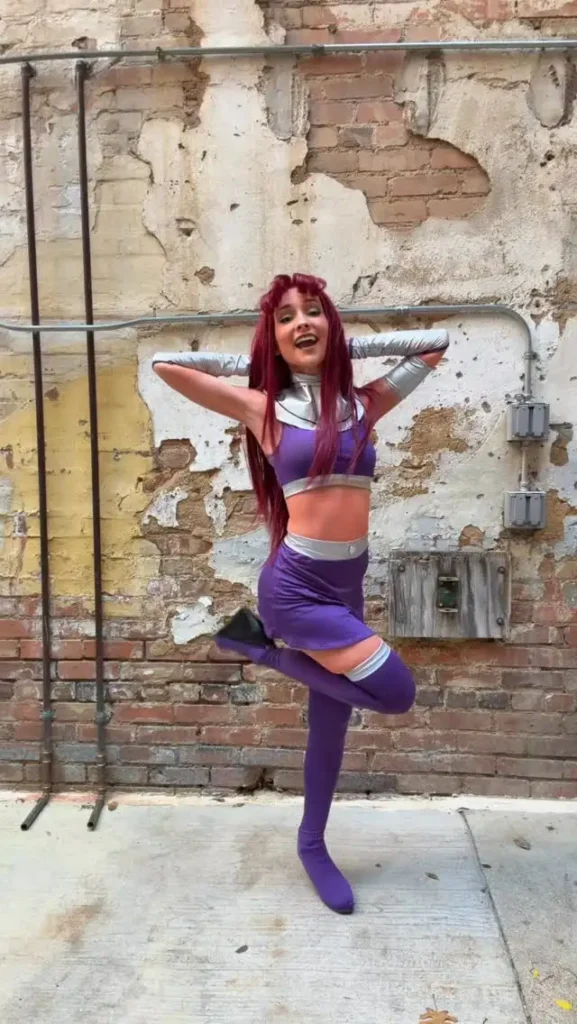
16. Starfire from Teen Titans
Starfire from Teen Titans has a more energetic character profile, with a fitted superhero-inspired outfit and details that reflect her alien identity. Her long flowing hair and bold costume proportions are especially important to the character reference. Jewelry or arm accessories can provide additional context without overcomplicating the design. A confident, open pose also helps distinguish Starfire from a general fantasy heroine.
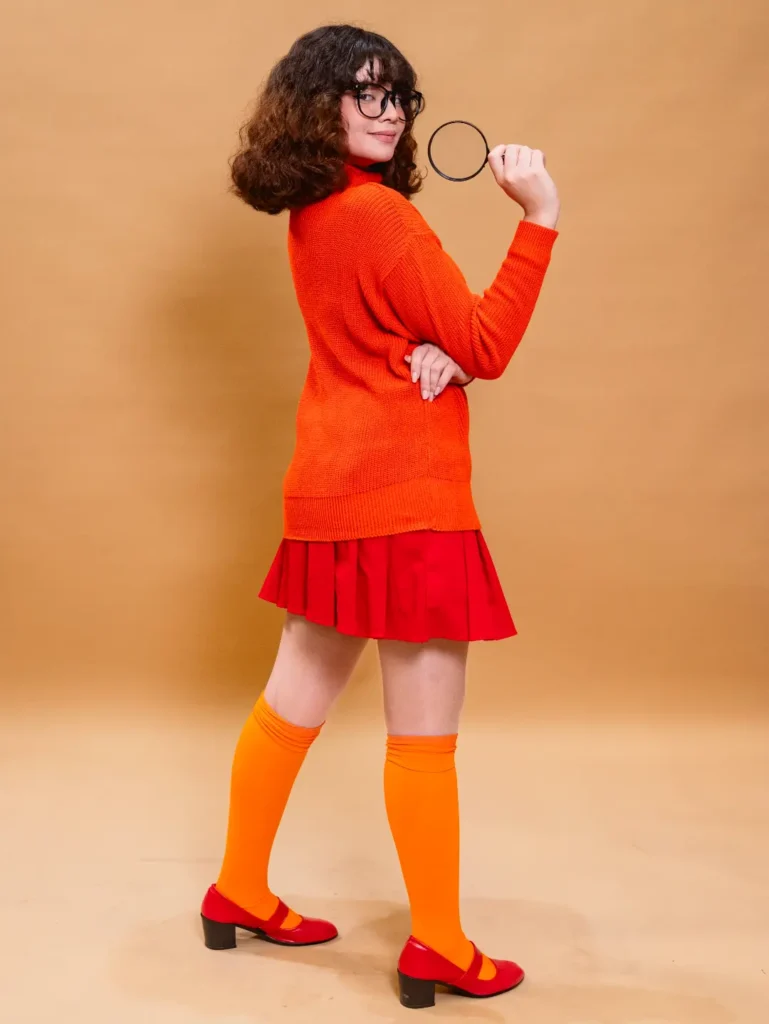
17. Velma Dinkley
Velma Dinkley is recognized immediately through her detective-inspired clothing, distinctive glasses, and practical, slightly bookish character identity. Keeping the silhouette simple allows the glasses and familiar styling cues to do most of the work. A magnifying glass or mystery-related item can strengthen the Scooby-Doo reference. Avoid borrowing Daphne’s or other characters’ accessories, since Velma’s individual details are what make the costume clear.
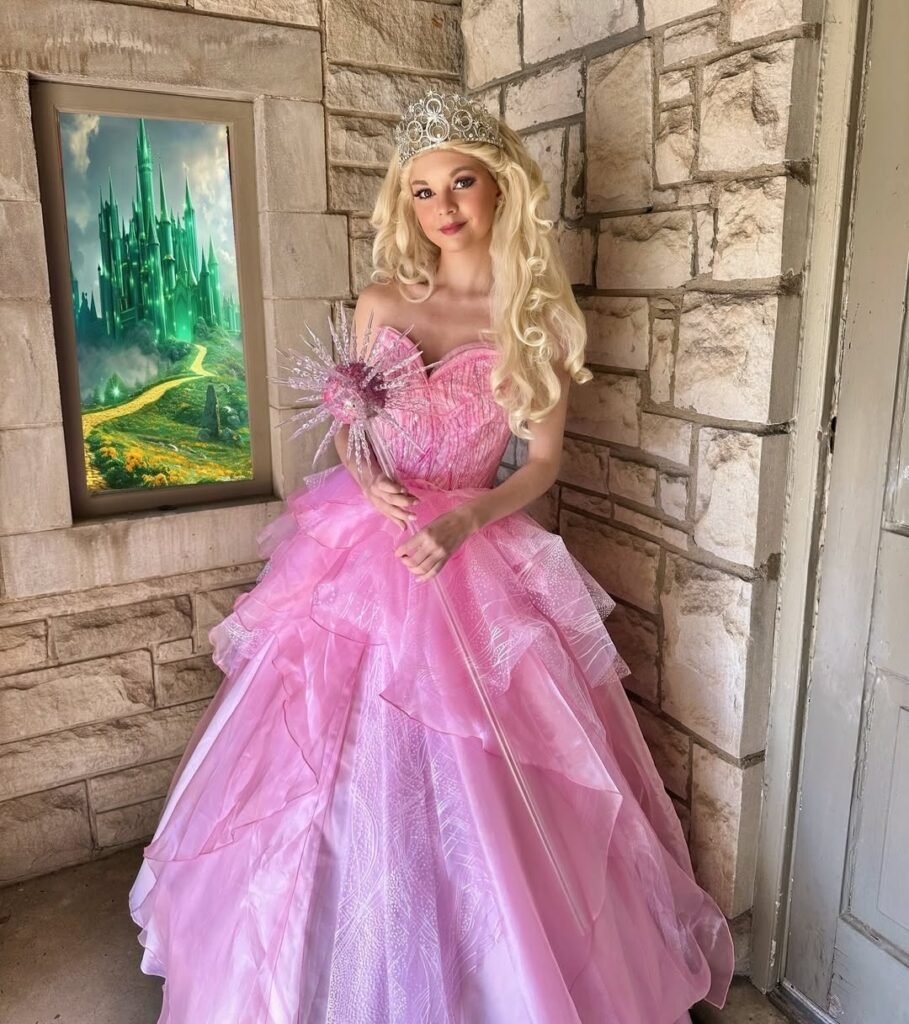
18. Glinda from Wicked
Glinda from Wicked centers on a theatrical gown, dramatic crown or headpiece, and the polished presentation associated with her stage and screen character. Volume and shape matter because her costume carries a distinctly magical, elevated silhouette. A wand can serve as a useful supporting detail when the outfit needs a clearer character reference. Keeping the accessories refined helps preserve Glinda’s recognizable presence.
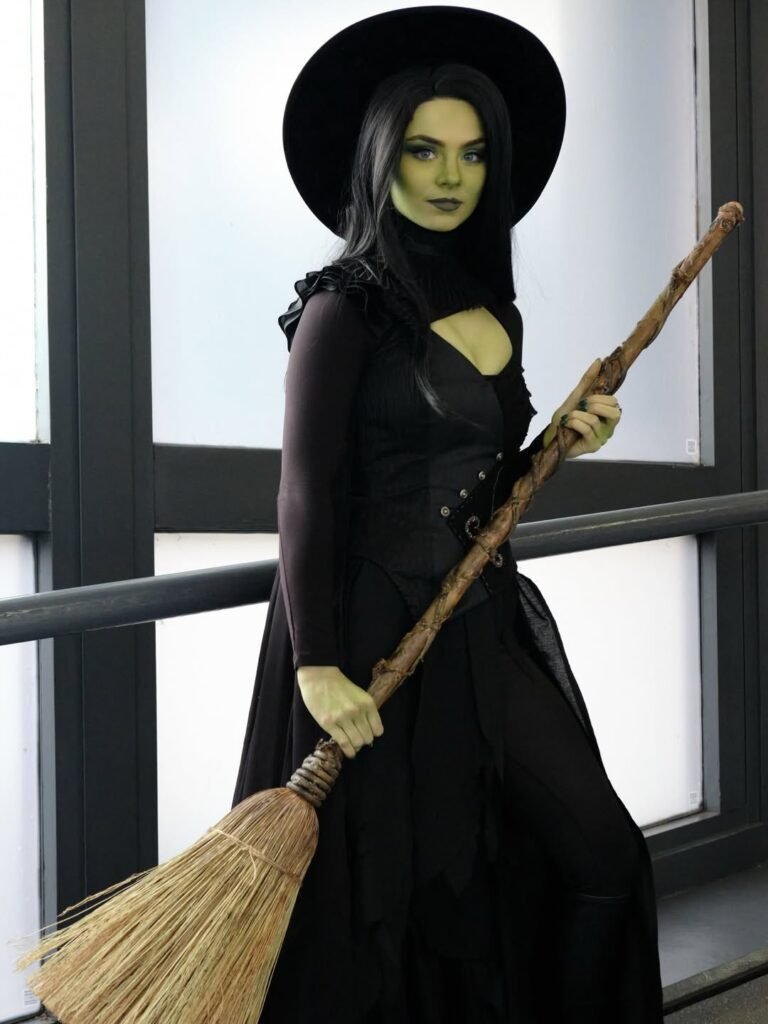
19. Elphaba from Wicked
Elphaba from Wicked relies on her pointed hat, layered witch-inspired clothing, and the strong silhouette connected to her transformation. Makeup may help signal the character, but the costume can also communicate the reference through her recognizable clothing and prop choices. A broom or spell-related item gives the outfit additional context. Keeping the layers slightly dramatic supports Elphaba’s theatrical identity without adding unrelated witch imagery.
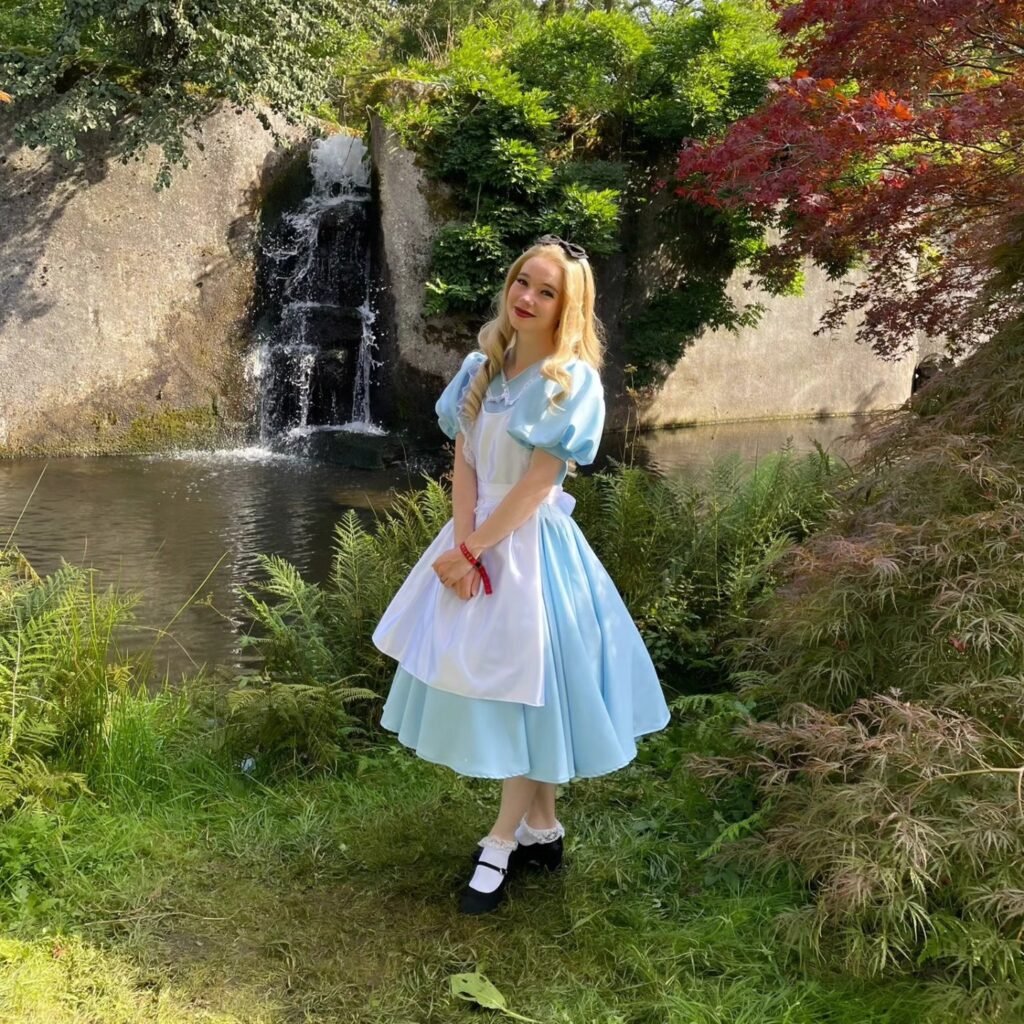
20. Alice in Wonderland
Alice in Wonderland can be built around a classic storybook silhouette, a headband, and details that suggest her journey through Wonderland. A small book, pocket watch, or tea-related reference can help explain the character when needed. Focus on Alice herself rather than mixing every Wonderland character into one outfit. Familiar proportions and simple character cues make the costume easier to recognize at a glance.
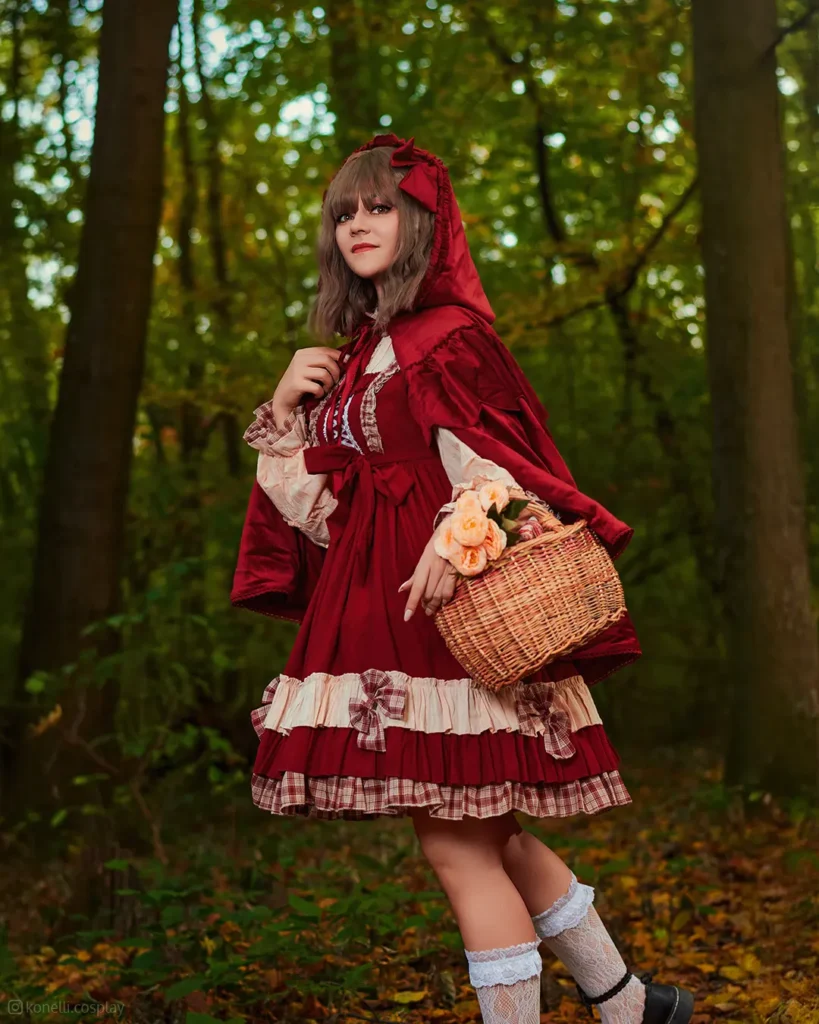
21. Little Red Riding Hood
Little Red Riding Hood depends on the hooded outer layer that gives the storybook character her name and identity. Clothing underneath can remain simple because the cape-like piece carries most of the visual recognition. A basket may reinforce the tale when it fits the costume plan. Keeping the focus on the hood prevents the idea from blending into a general fairytale outfit.
22. Dorothy from The Wizard of Oz
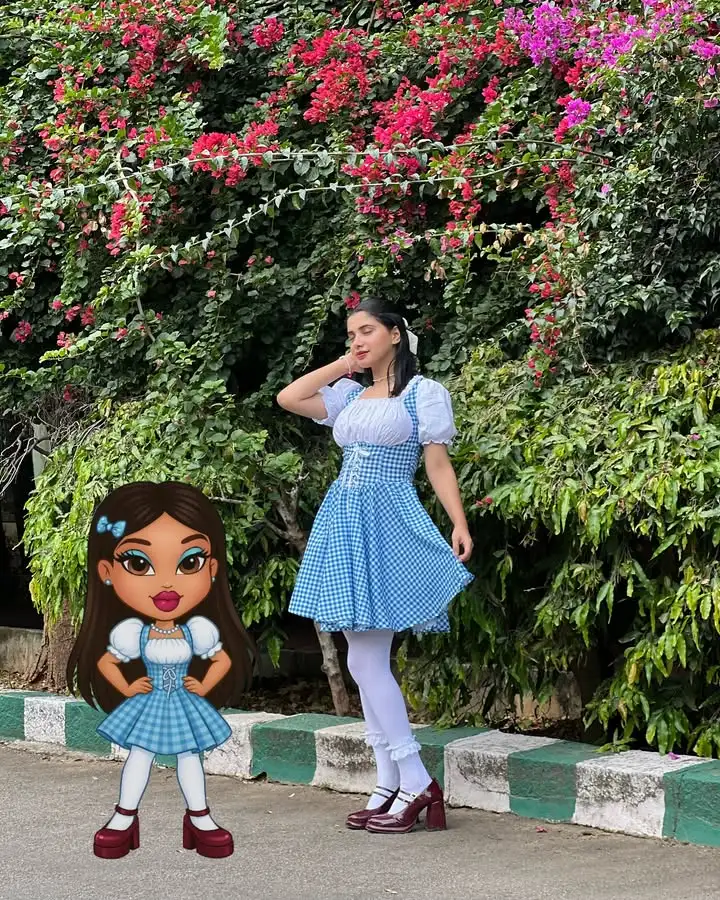
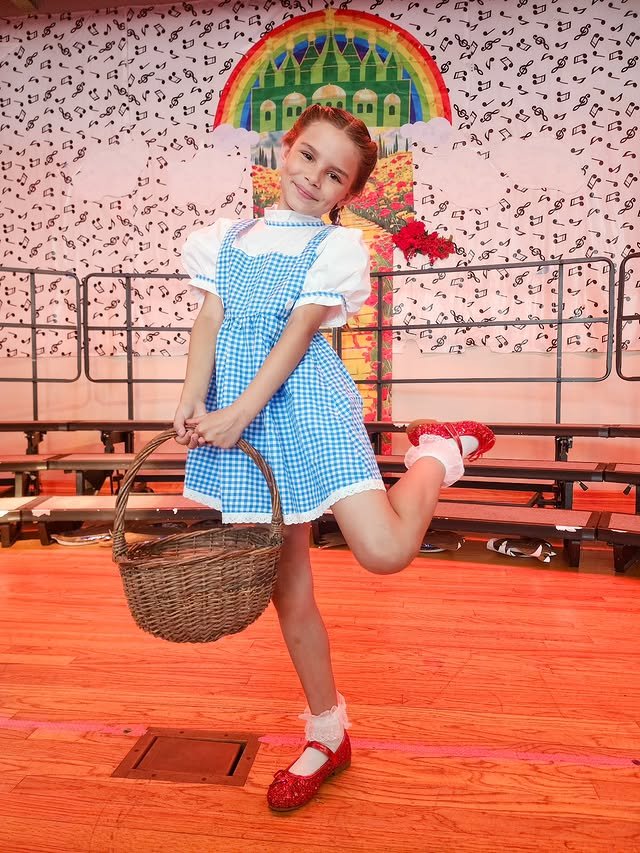
Dorothy from The Wizard of Oz is strongest when the familiar storybook outfit is paired with a hairstyle and small details linked directly to her journey. A basket and a reference to Toto can help identify the character without requiring a complicated costume. Avoid mixing in pieces associated with other Oz characters. Her recognizable schoolgirl-inspired silhouette should remain the central visual element.
23. Madeline
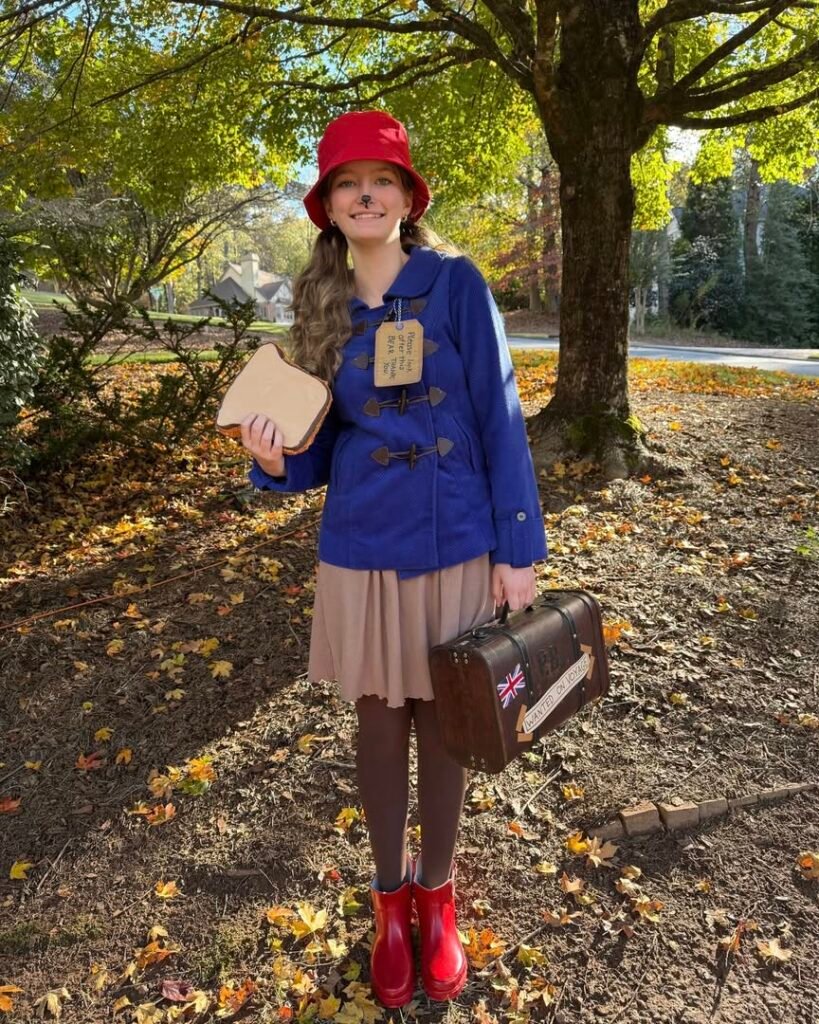
Madeline takes inspiration from the beloved storybook character’s neat school uniform, simple hat, and carefully arranged hairstyle. Straightforward clothing works well here because the recognizable proportions and character-specific presentation do most of the storytelling. A small book can reinforce the literary reference without distracting from the outfit. Keeping the costume tidy and structured helps distinguish Madeline from a generic schoolgirl character.
24. Strawberry Shortcake
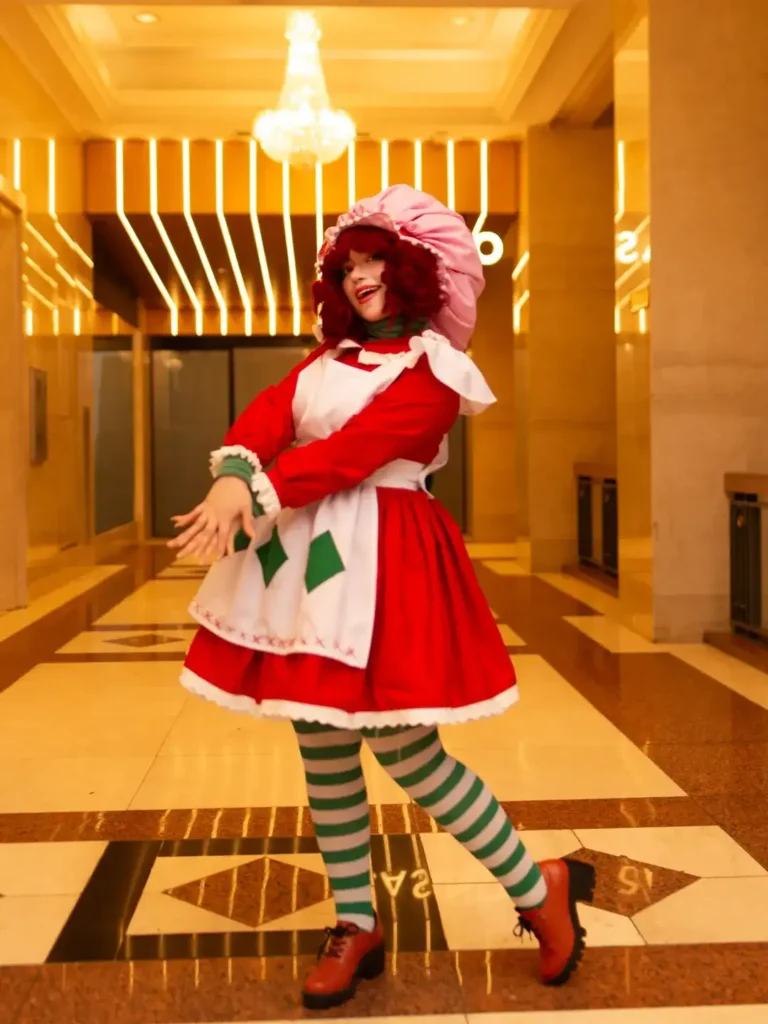
Strawberry Shortcake draws from the character’s dessert-inspired world, combining playful clothing with recognizable strawberry-themed details. Hair, accessories, or small decorative elements can help connect the outfit to the original character. Focus on strawberry references that feel intentional instead of covering every surface with unrelated fruit decorations. A balanced costume keeps the storybook character visible beneath the theme.
25. Sailor Moon
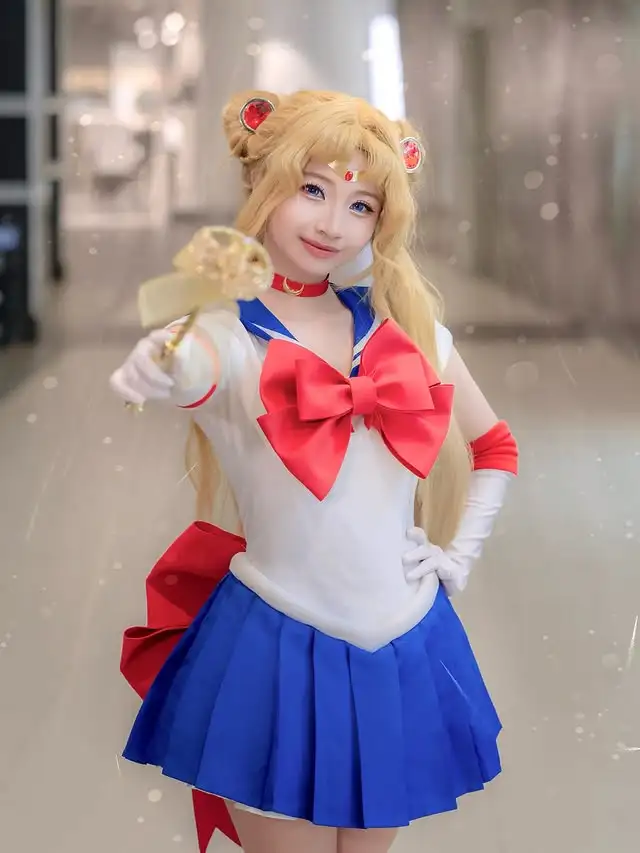
Sailor Moon is defined by her sailor-style uniform, distinctive hairstyle, and the magical accessories connected to her transformation. Familiar character symbols can reinforce the reference without requiring a crowded costume. Pay attention to the proportions of the collar, skirt, and hair arrangement because those elements carry much of the identity. A wand or transformation item can complete the character for readers who want an extra recognizable detail.
26. Powerpuff Girls Group
Powerpuff Girls Group works around three coordinated costumes that clearly represent Blossom, Bubbles, and Buttercup as a set. Matching silhouettes and character-specific hairstyles help separate each member while keeping the group visually connected. Planning the costumes together prevents one character from feeling unrelated to the others. Simple poses inspired by the animated team’s superhero energy can also make the group reference immediately clear.
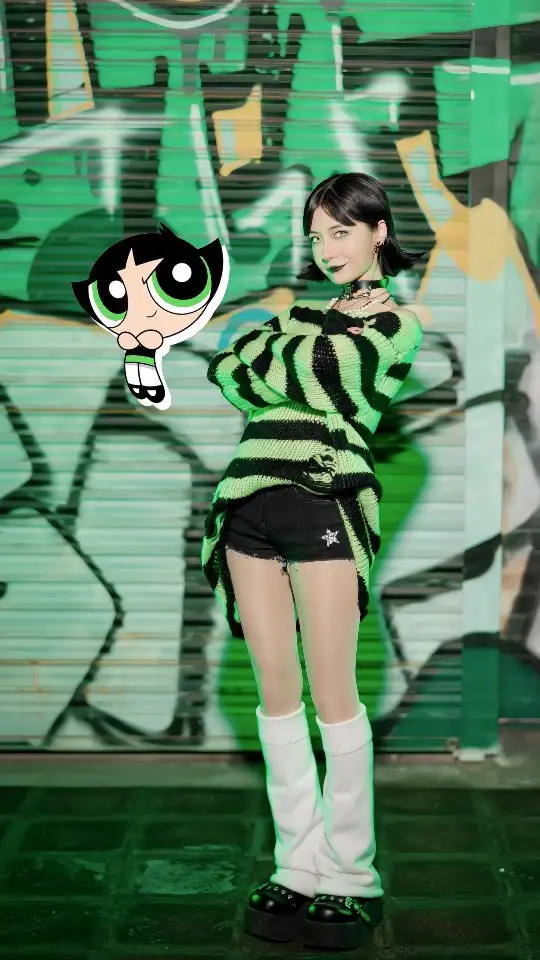
27. Winona Ryder-Inspired Lydia Deetz
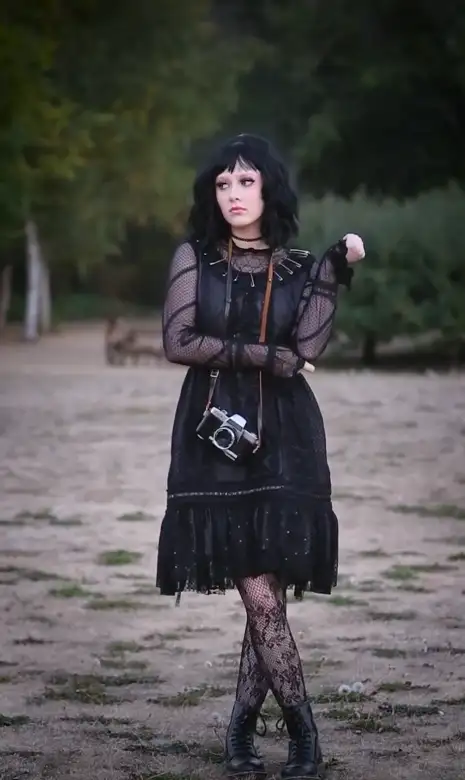
Winona Ryder-Inspired Lydia Deetz draws from Lydia’s dark, dramatic presence in Beetlejuice and should stay focused on her specific character identity. Layered clothing, an unusual silhouette, and a camera or other character-related detail can help establish the reference. Avoid turning the costume into a generic gothic outfit by keeping at least one clear Lydia cue. Her serious, artistic presentation is part of what separates the character from other darkly dressed figures.
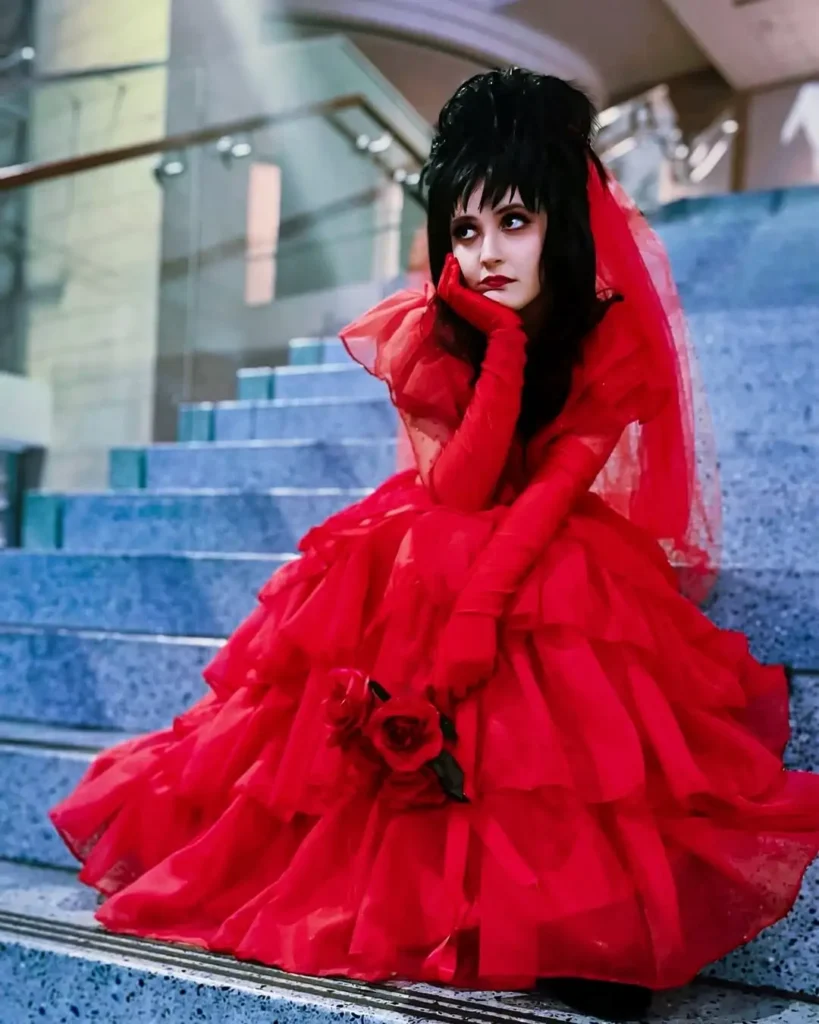
28. Polly Pocket
Polly Pocket plays with miniature-scale imagination by turning familiar doll packaging and tiny-world details into a wearable costume concept. A display frame, oversized toy-inspired elements, or a labeled package can make the character reference much clearer. Clothing can remain relatively simple when the packaging idea does most of the storytelling. Keeping the proportions playful helps preserve the compact, toy-like identity associated with Polly Pocket.
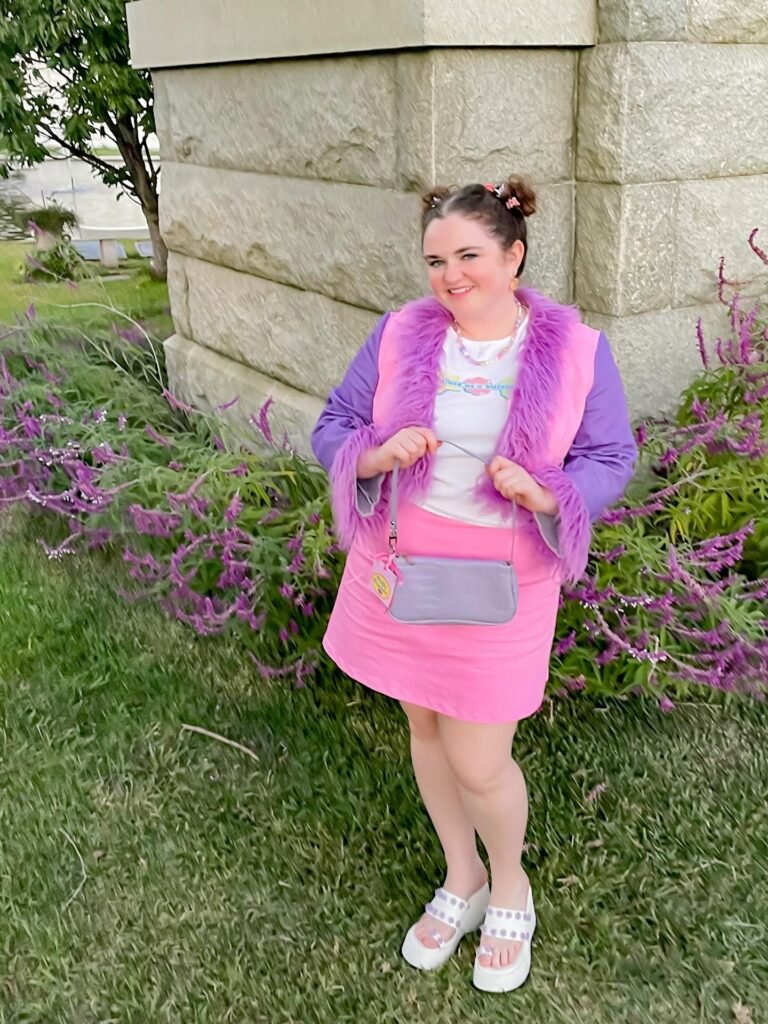
29. Monster Prom Queen
Monster Prom Queen pairs formal dancewear with monster-inspired details, creating a character who looks ready for a school dance with an unexpected supernatural twist. A tiara, sash, bouquet, or other prom elements can establish the queen theme before the monster details are introduced. Makeup, unusual textures, or character-inspired features can then shift the concept away from a standard prom costume. Balancing both sides is important so neither the prom nor monster theme disappears.
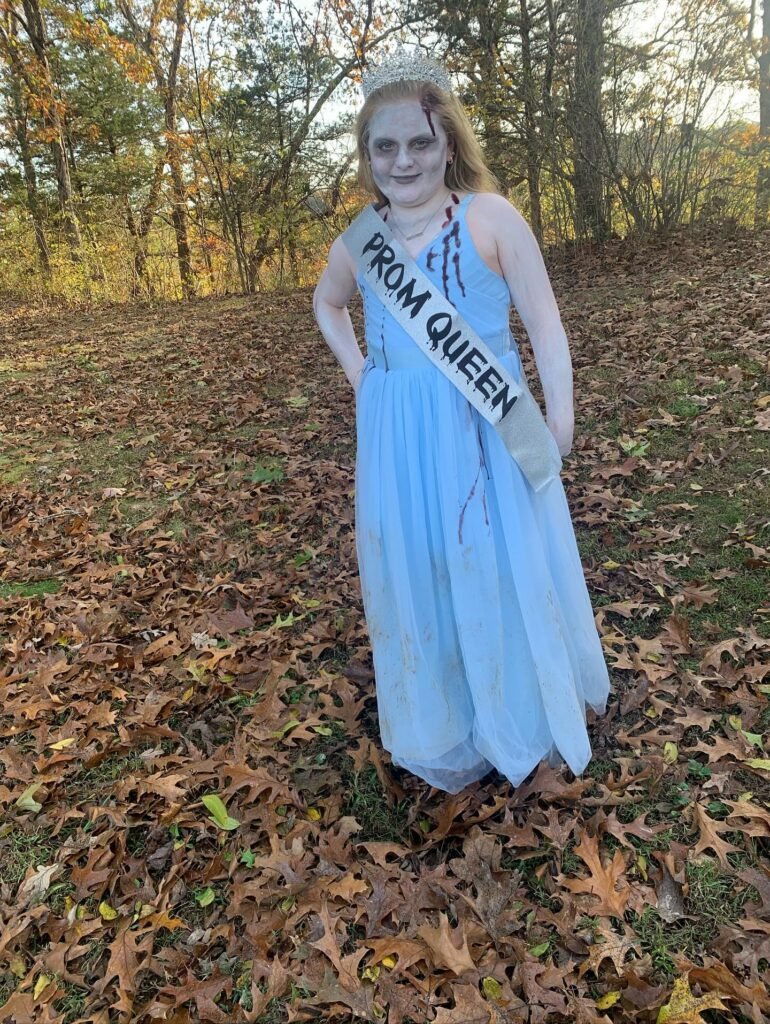
30. Retro Fortune-Teller Girl
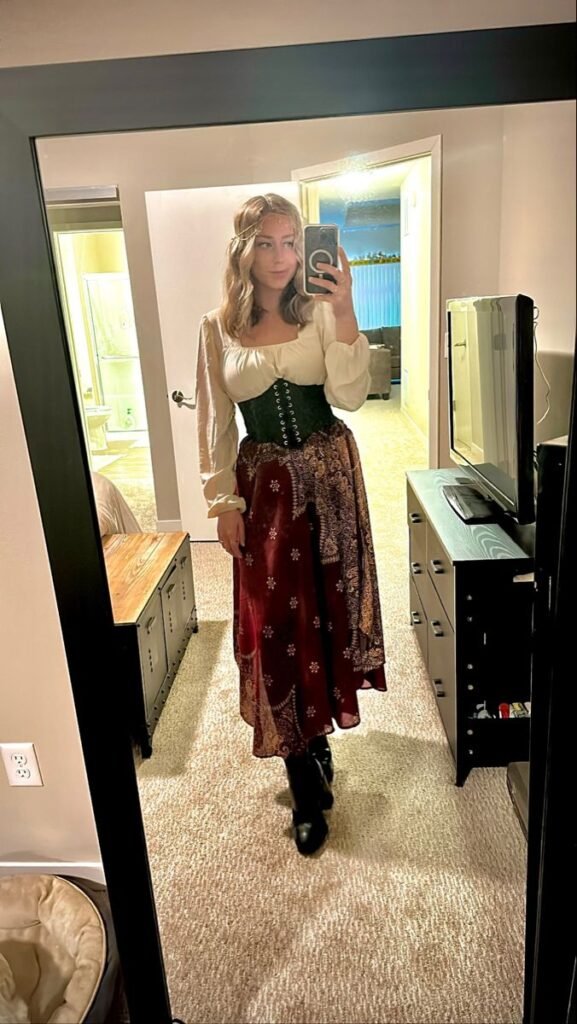
Retro Fortune-Teller Girl can be shaped around flowing layers, symbolic accessories, and props connected to cards, predictions, or crystal reading. Headwear, jewelry, or a decorative table element may help build the old-fashioned fortune-teller atmosphere. Choose only a few strong symbols so the costume remains readable instead of becoming a pile of mystical objects. A deck of cards or another prediction-related prop can provide the final clue to the character.
Conclusion
Costume selection becomes easier when the starting point is a character or concept you can actually imagine wearing for several hours. Think about how much movement you need, how complicated the pieces are, and which details people will recognize first. A strong costume usually has one clear visual anchor instead of a long list of decorations competing for attention. The best halloween costume ideas for a teenage girl leave room for personality too, allowing familiar characters to feel personal through thoughtful styling, comfort, and a few well-chosen details.