Halloween brings out plenty of character-driven looks for boys, from classic storybook figures to memorable movie personalities and spooky creations. Halloween costume ideas for boys can range from recognizable characters with signature accessories to imaginative looks built around distinctive masks, hats, makeup, or props. Boys Halloween costume ideas can also suit different ages, personalities, and comfort levels without losing the character’s identity. Halloween costume ideas for boys include playful, mysterious, adventurous, and creepy directions, giving each costume its own visual character while keeping the focus on the boy wearing it.
1. Jack-in-the-Box
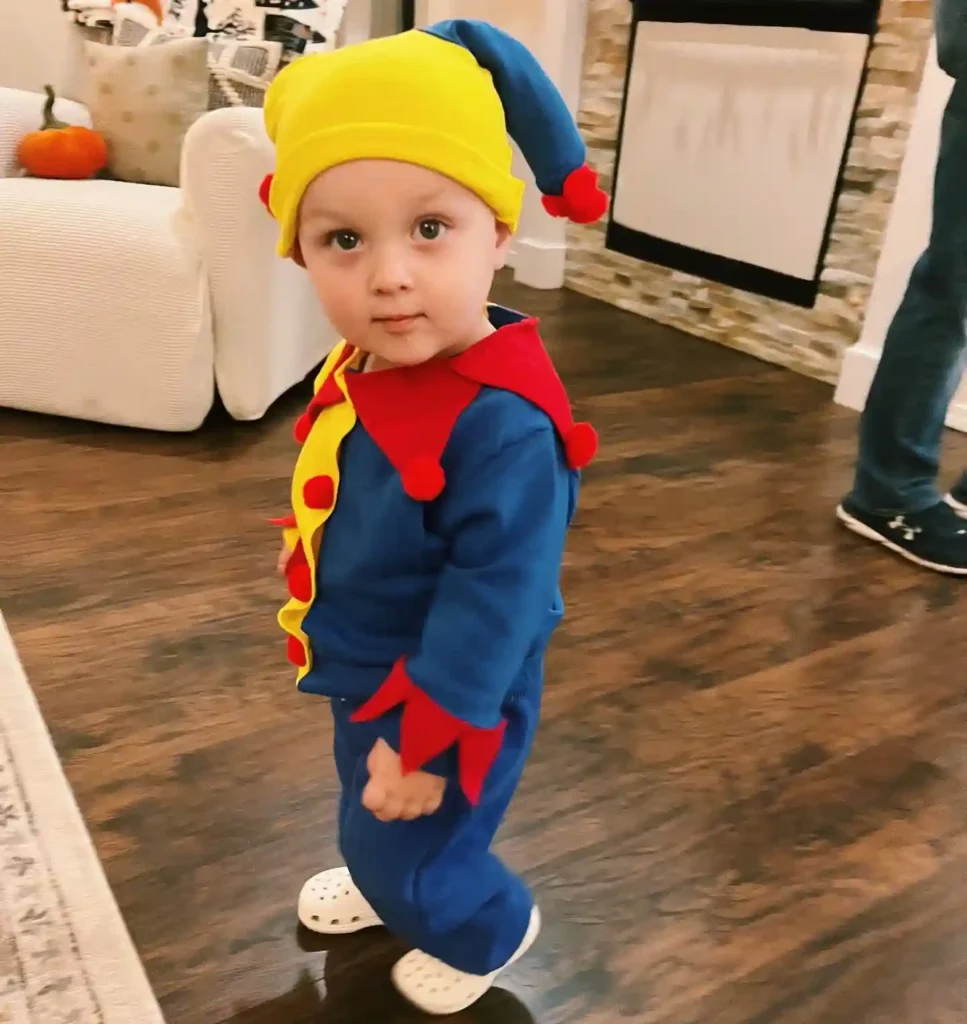
Jack-in-the-Box turns the classic toy into a wearable costume built around a box-shaped body and a character popping from the top. Box panels should sit around the torso while leaving enough room for the arms and legs to move comfortably. Spring-like detailing around the opening reinforces the toy mechanism and makes the construction easier to understand. Face makeup or a painted character face can give the figure its playful toy quality without adding unrelated costume elements.
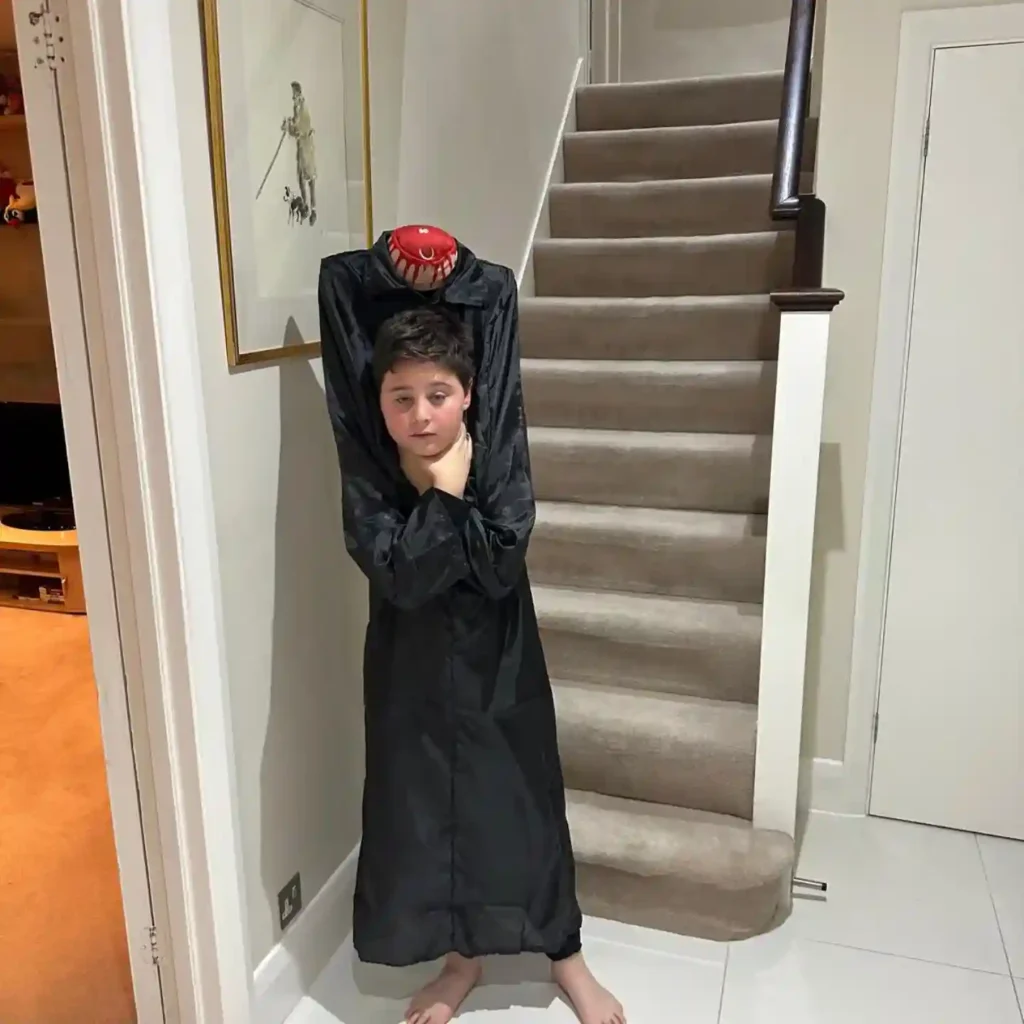
2. Headless Horseman
Headless Horseman depends on one strong illusion: the rider appears to have no visible head. Raised collar or high neckline can hide the actual head while preserving the shape of a riding coat or cloak around the shoulders. Horse-riding details, gloves, and a safe prop weapon can strengthen the character’s connection to the legendary rider. Hollow-looking neck opening becomes the key visual detail, especially when viewed from the front.
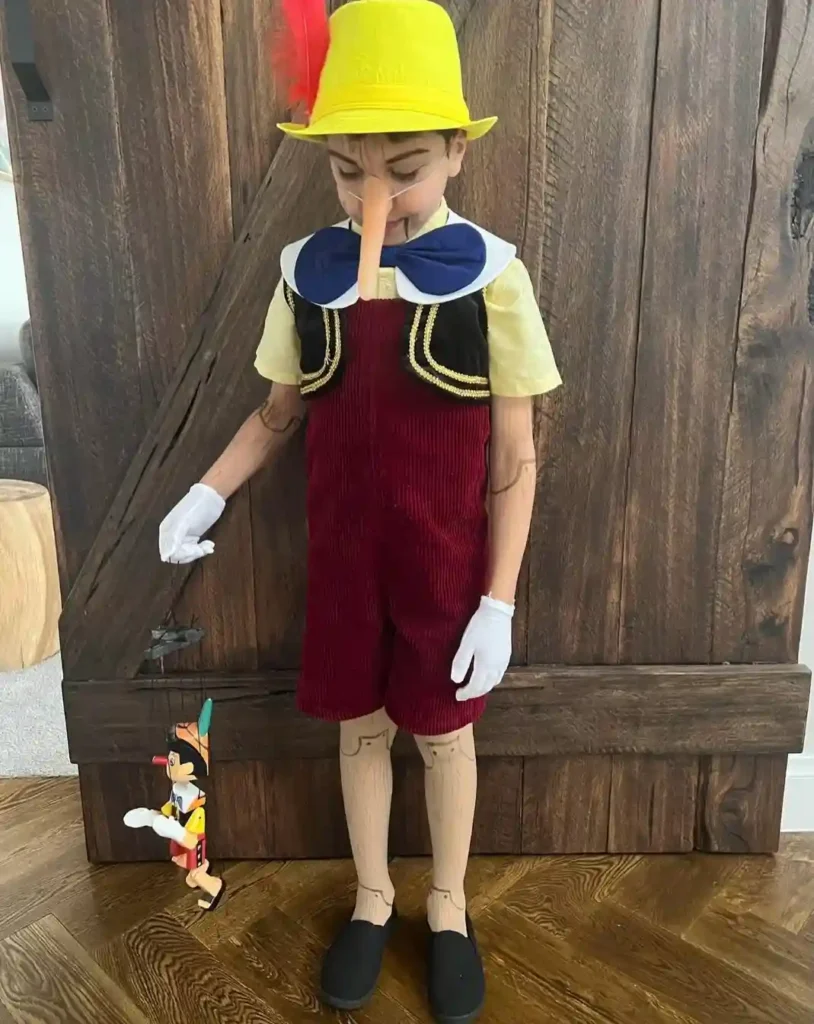
3. Pinocchio
Pinocchio needs a recognizable wooden-boy silhouette, with the long nose serving as the clearest character detail. Short trousers, suspenders, and a simple collared shirt establish the classic puppet-inspired outfit without making it bulky. Painted joint lines around the elbows, knees, or wrists can suggest carved wooden construction through makeup or costume detailing. A small puppet-like posture, combined with the exaggerated nose, makes the character immediately identifiable.
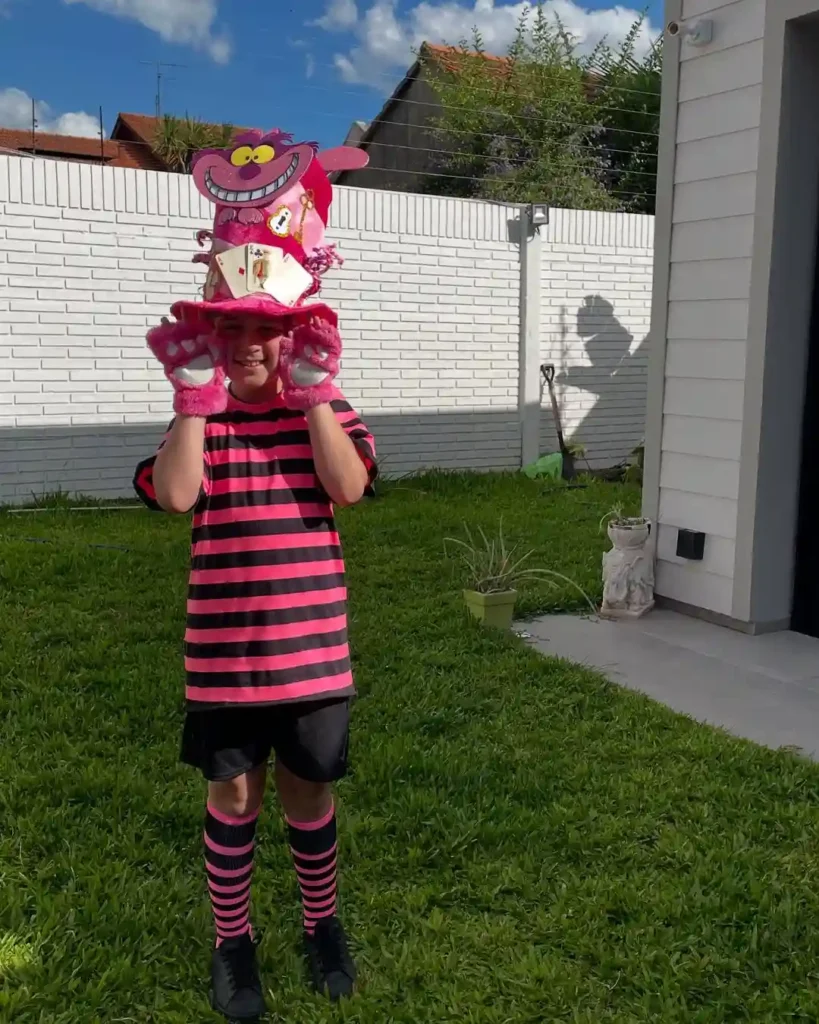
4. Cheshire Cat
Cheshire Cat centers on the character’s exaggerated grin, cat ears, and feline features. Face paint can extend a wide toothy smile across the cheeks while keeping the rest of the costume relatively simple. Cat ears and a matching tail establish the animal silhouette without requiring a full-body suit. Striped clothing can be used when desired, but the oversized grin should remain the strongest identifying feature.
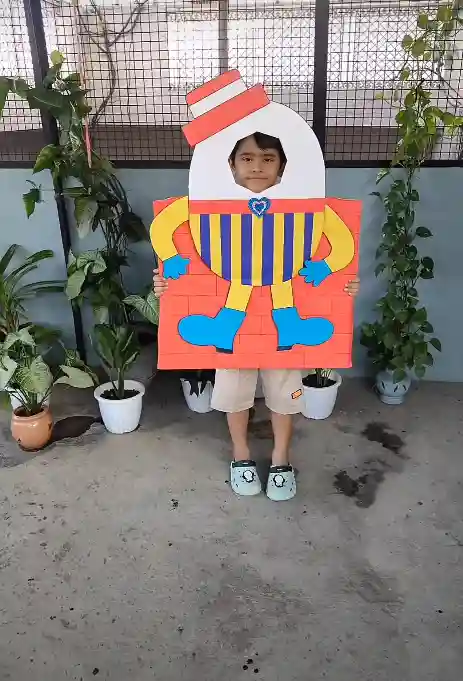
5. Humpty Dumpty
Humpty Dumpty relies on an oversized egg-shaped body that separates the costume from ordinary character outfits. Rounded padding around the torso can produce the familiar curved silhouette while keeping the arms and legs free. Crack markings across the outer shell connect the costume directly to the nursery-rhyme character and add useful visual detail. A simple face placed high on the rounded body completes the recognizable Humpty Dumpty shape.
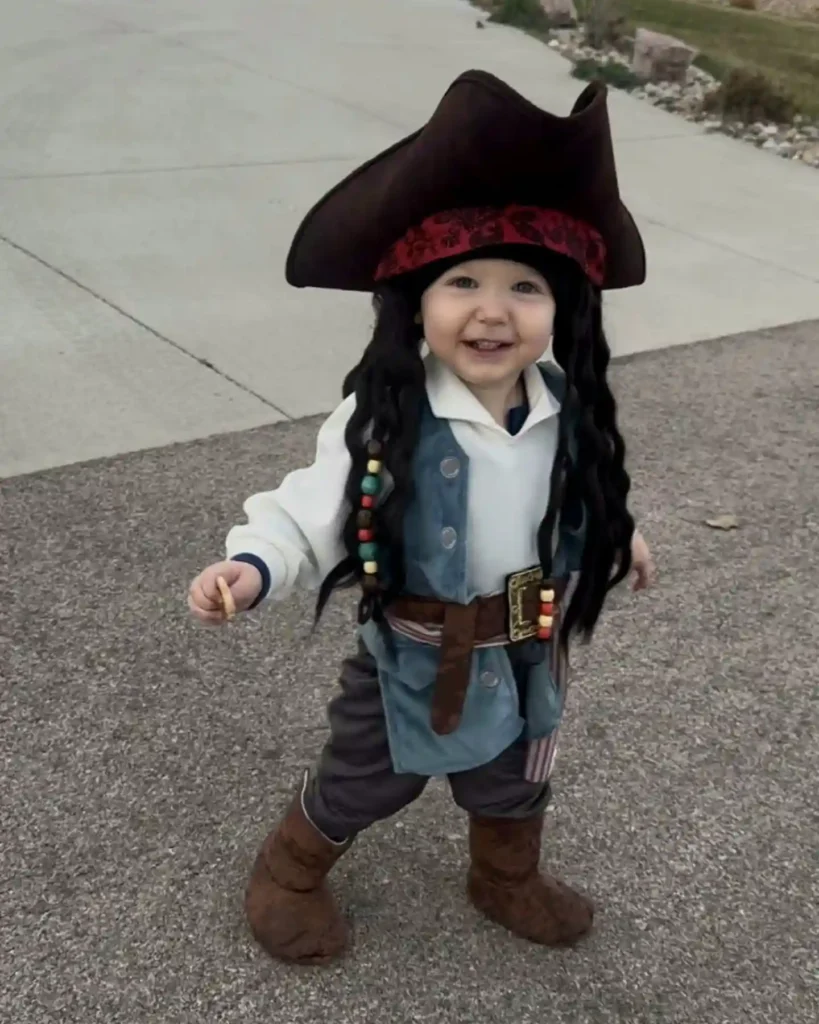
6. Jack Sparrow
Jack Sparrow is built around layered pirate clothing, a weathered character silhouette, and recognizable pirate accessories. Loose garments around the torso create the relaxed shape associated with the character, while belts and layered pieces add the necessary detail without requiring heavy construction. Braided hair or a pirate-inspired wig helps reinforce the character’s distinctive appearance. Safe toy sword can serve as the main prop, giving the costume an unmistakable pirate identity.
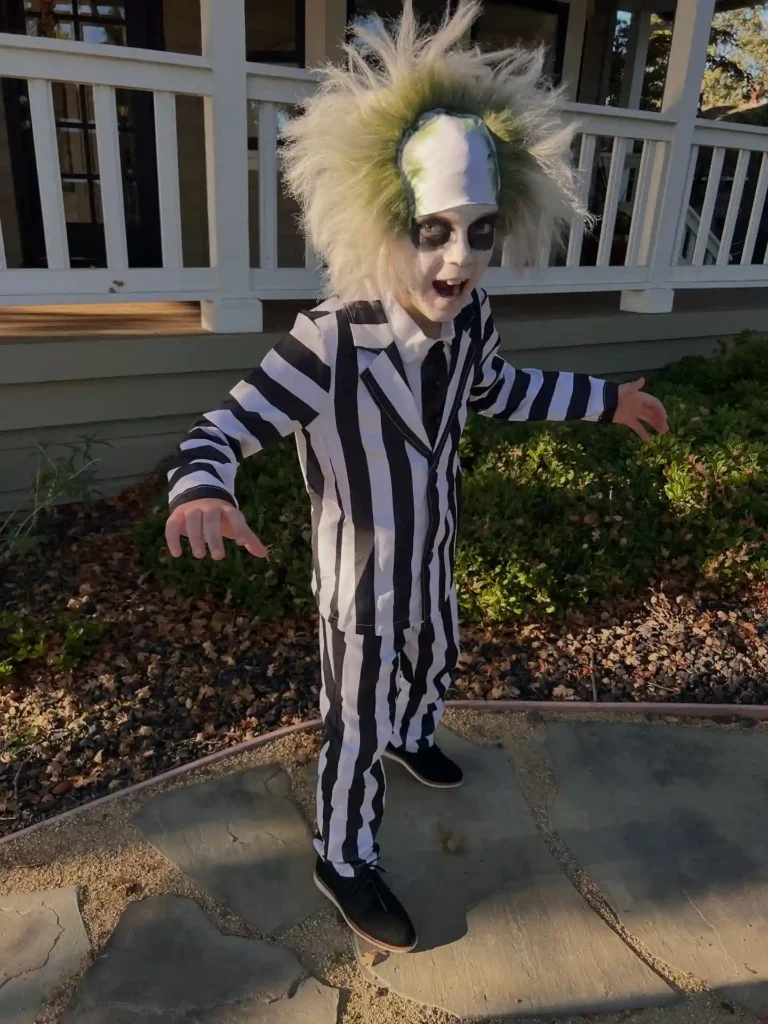
7. Beetlejuice
Beetlejuice depends heavily on wild hair, theatrical makeup, and an exaggerated suit silhouette. Messy hair gives the character an intentionally unkempt shape that contrasts with the structured clothing underneath. Face makeup can suggest the character’s pale, decayed appearance while leaving facial expressions visible. Striped suit pieces and deliberately untidy styling make the costume recognizable as Beetlejuice rather than a generic formal outfit.
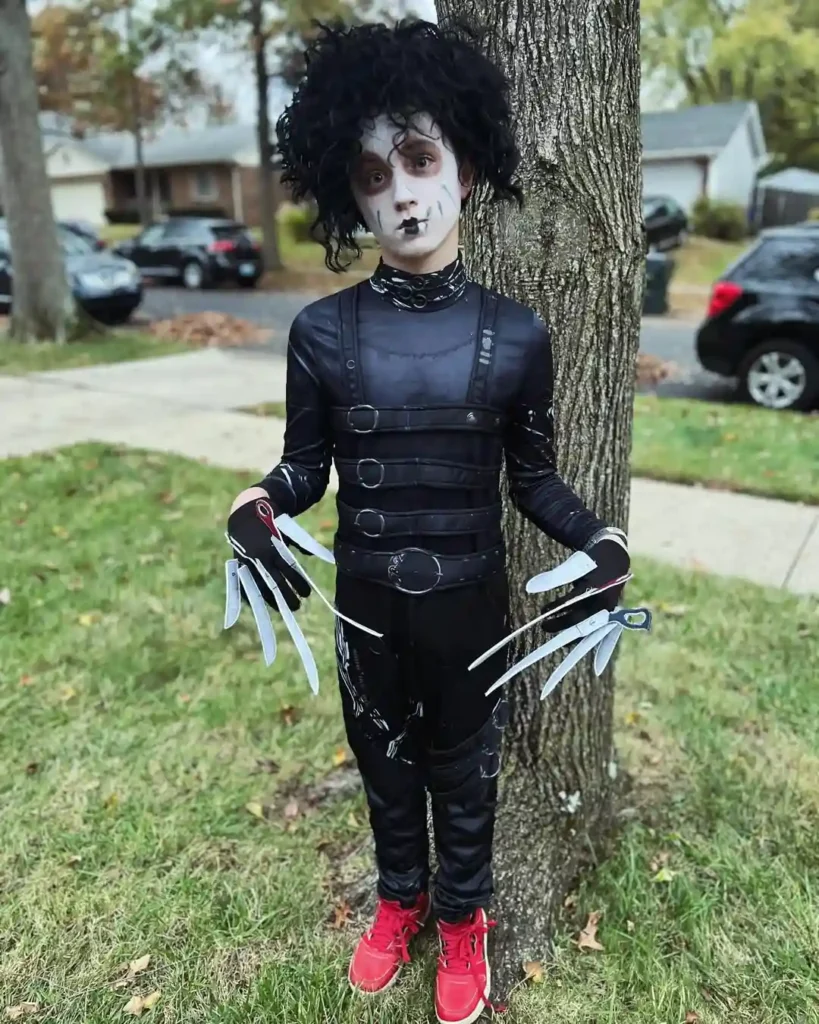
8. Edward Scissorhands
Edward Scissorhands places unusual hand pieces at the center of the costume, making them the first detail people should notice. Layered clothing with straps, buckles, and irregular sections recreates the character’s heavily assembled outfit. Lightweight costume scissors should replace anything sharp so the hands remain safe and usable throughout the night. Messy hair and restrained face makeup finish the character without taking attention away from the signature scissor hands.
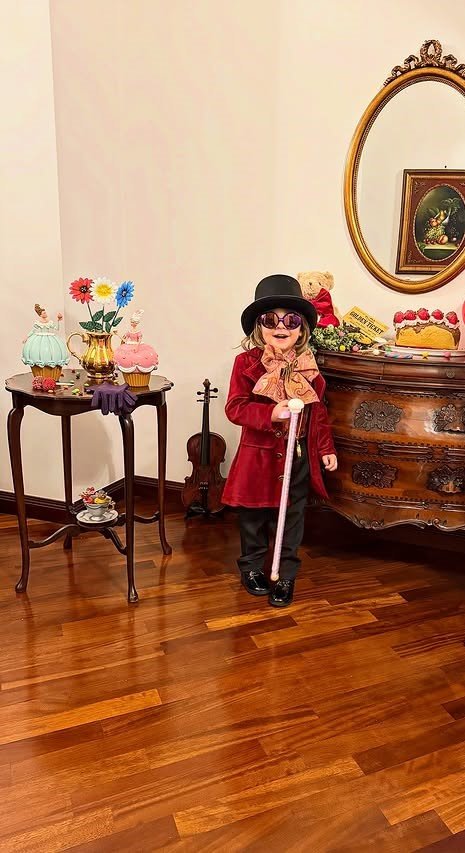
9. Willy Wonka
Willy Wonka is defined by a theatrical formal outfit, a prominent top hat, and a cane. Structured outerwear gives the body a dressed-up silhouette while layered clothing underneath adds the eccentric character quality. Tall hat draws attention toward the face and helps distinguish Wonka from an ordinary formal character. Holding a cane completes the recognizable posture and gives the costume one practical prop to carry.
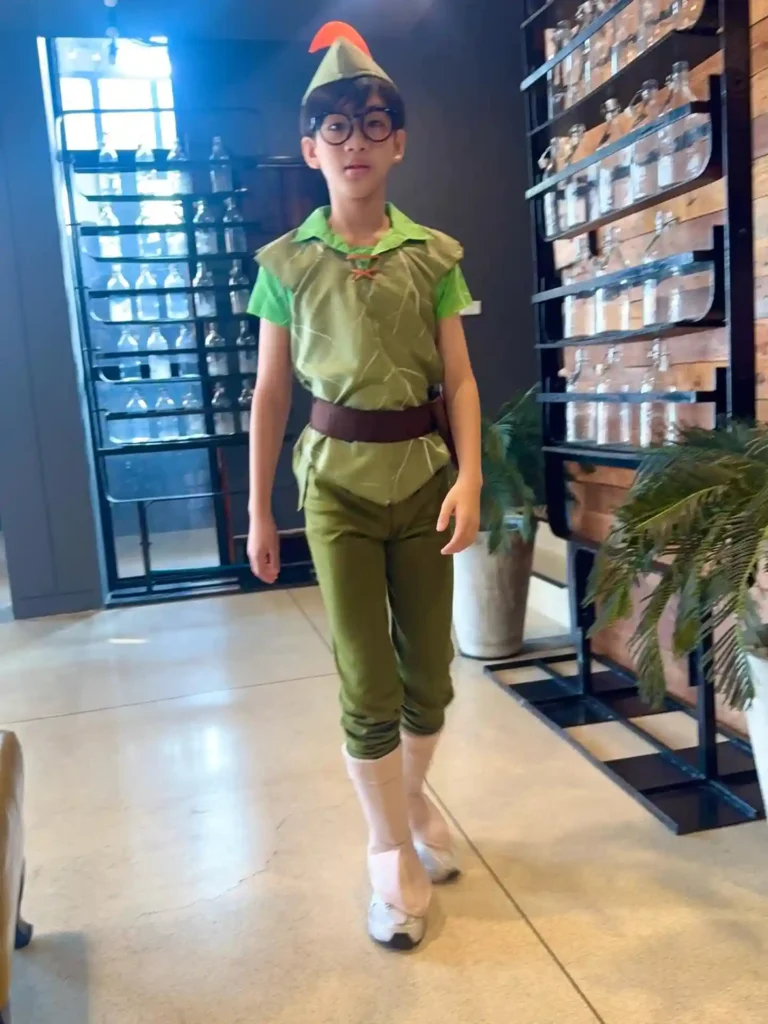
10. Peter Pan
Peter Pan uses a simple adventure-ready silhouette built around a tunic, pointed hat, belt, and fitted lower layers. Pointed headwear provides one of the quickest visual clues to the character, while the tunic establishes the storybook shape. Belt can support a small safe prop without making the outfit cumbersome for walking. Toy dagger details may be added to suggest Peter’s adventurous character while keeping the costume lightweight.
11. Captain Hook
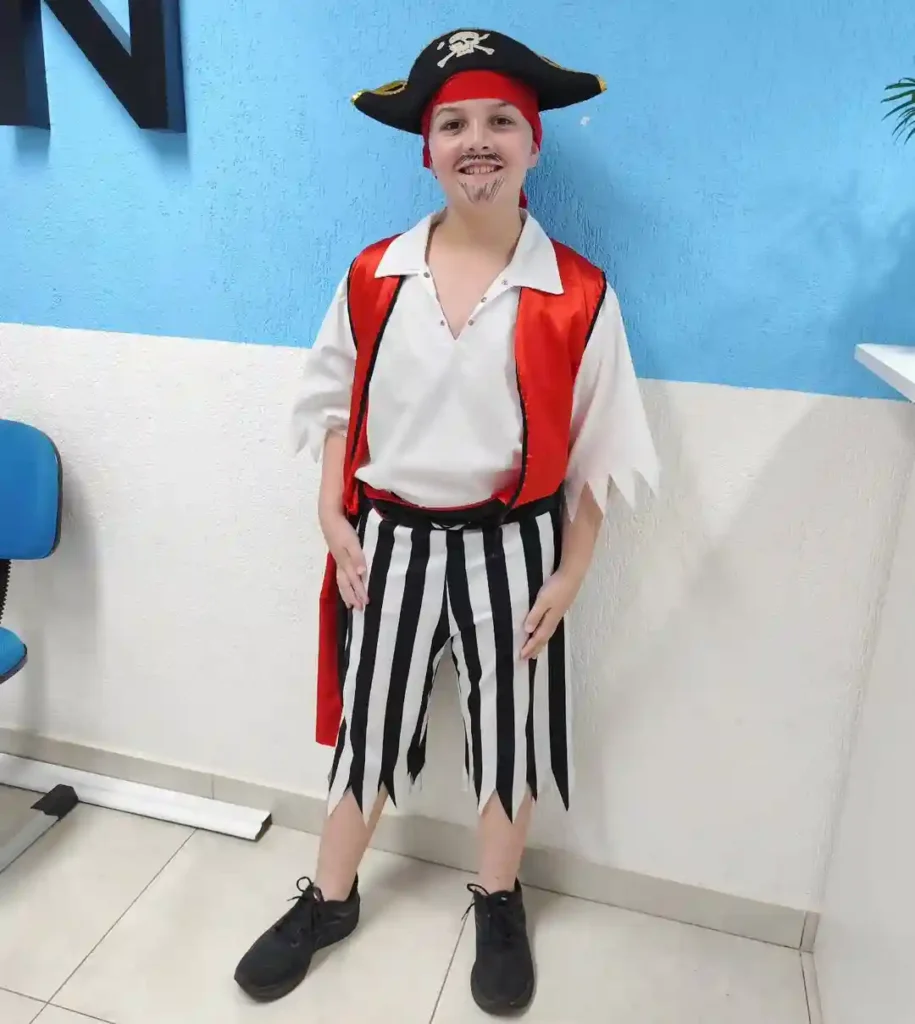
Captain Hook needs a pirate coat, dramatic sleeves, a pirate hat, and the famous hook hand to establish his identity. Long outer layers give the costume a stronger shape than a basic pirate outfit and make the character easier to recognize. Decorative hook designed specifically for costumes should remain lightweight and secure around the hand. Facial hair and controlled pirate-inspired styling can reinforce Captain Hook without adding unrelated pieces.
12. Aladdin
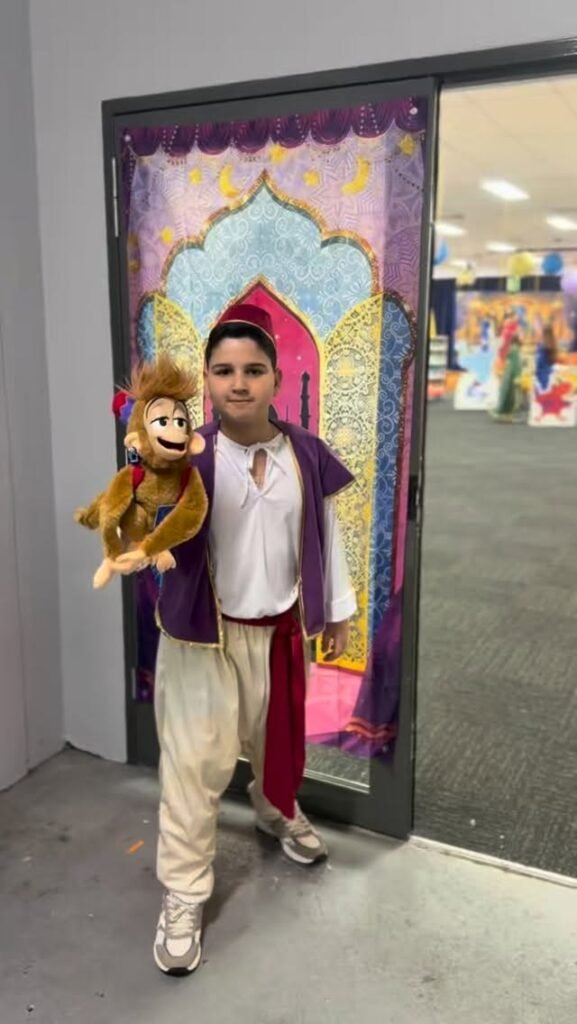
Aladdin centers on loose, movement-friendly clothing with a vest, trousers, and a simple street-adventure silhouette. Layering the vest over the upper body gives the costume its recognizable shape while keeping the arms free. Waist belt or sash can define the middle and provide a place for small character details. Toy magic lamp works as the clearest prop, connecting the outfit directly to Aladdin’s story.
13. Robin Hood
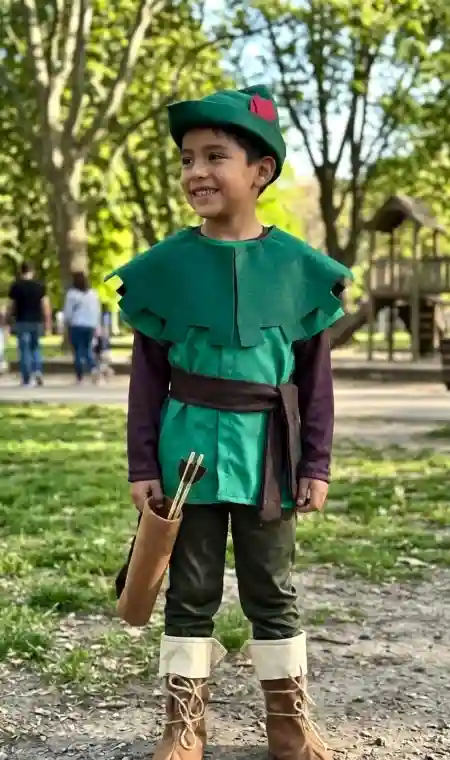
Robin Hood relies on a hooded tunic, belt, fitted trousers, and unmistakable archery equipment. Toy bow and quiver immediately communicate the character’s role as an archer while adding little weight to the costume. Hooded headwear gives the upper half a distinct medieval-adventure shape and frames the face. Keeping the clothing close to the body allows the bow and quiver to remain the most noticeable accessories.
14. Sherlock Holmes
Sherlock Holmes is recognizable through detective-inspired clothing paired with a classic hat and investigative props. Structured coat gives the costume a period-detective silhouette without requiring complicated layers. Magnifying glass provides an instantly understandable accessory, while a small notebook can suggest clue-taking and investigation. Neatly arranged hair and a composed posture help keep the character closer to Holmes than to a generic detective.
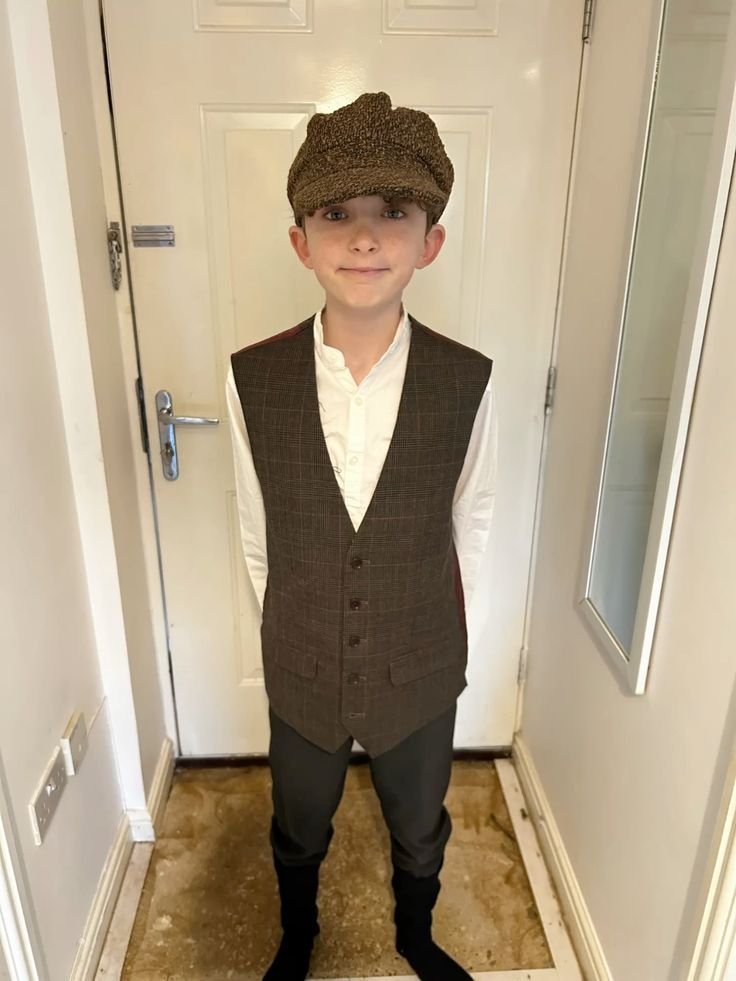
15. Harry Potter
Harry Potter centers on a wizard-school uniform, round glasses, robe, and wand. Layered school clothing beneath the robe gives the costume a clear character silhouette while keeping the outer layer easy to remove when needed. Round glasses provide one of the most recognizable facial details associated with Harry. A lightweight wand completes the character without requiring bulky props or complicated construction.
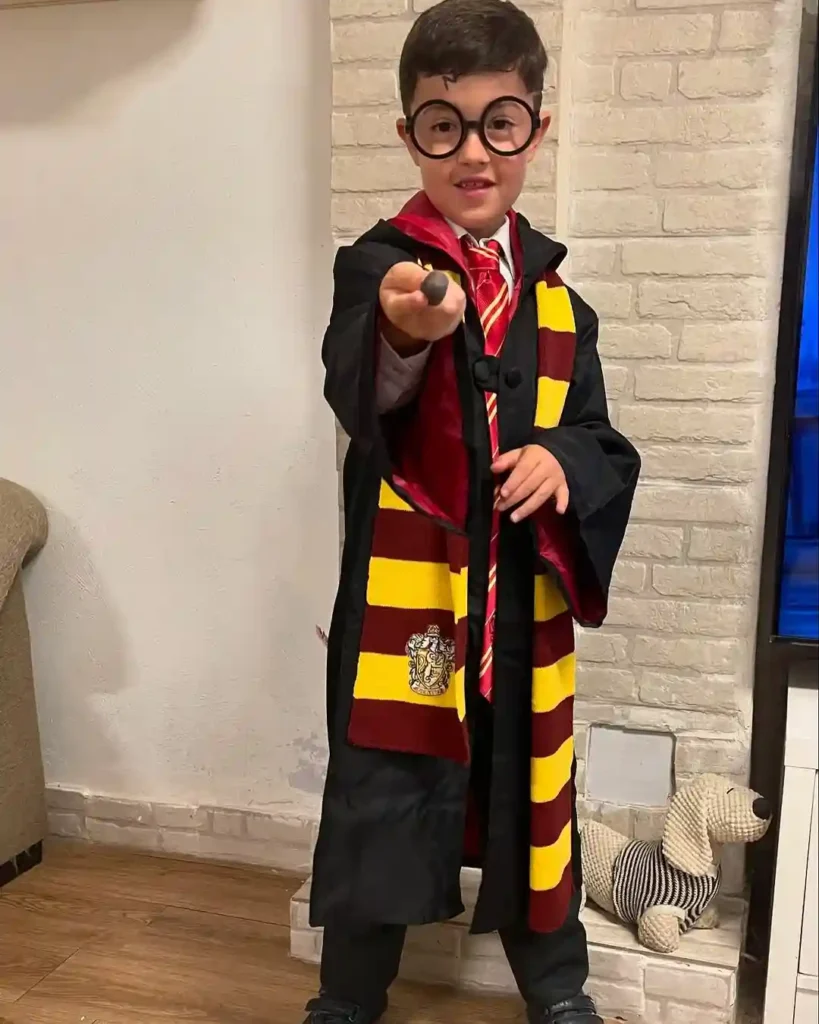
16. Hiccup
Hiccup draws from Viking-inspired clothing, practical armor details, and the young dragon rider’s rugged character design. Layered tunic pieces give the torso a warrior-like structure while fitted lower clothing keeps movement easy. Small protective details around the shoulders, arms, or waist can suggest Hiccup’s gear without turning the costume into full armor. Tousled hair helps preserve the youthful appearance that separates Hiccup from a standard Viking costume.
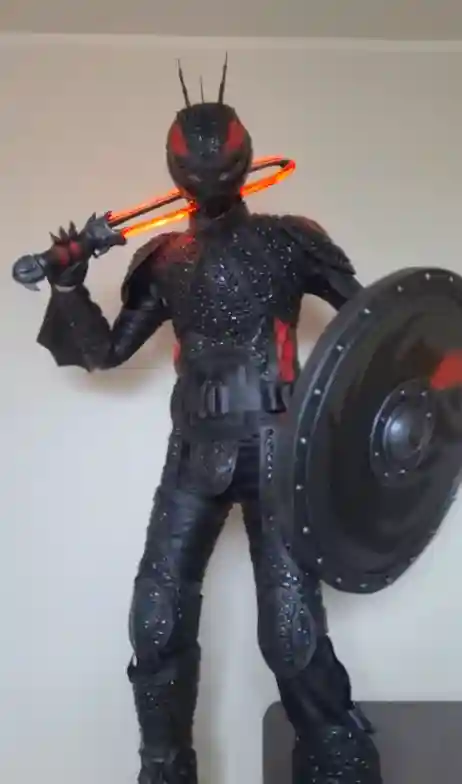
17. Shrek
Shrek depends on an oversized ogre silhouette, rounded ears, and recognizable facial makeup. Padded layers around the torso can suggest his broad proportions without making the costume difficult to walk in. Ogre ears attached to a headband or hood establish the character immediately from the front. Face makeup can extend the transformation across the cheeks and forehead while leaving the rest of the clothing relatively simple.
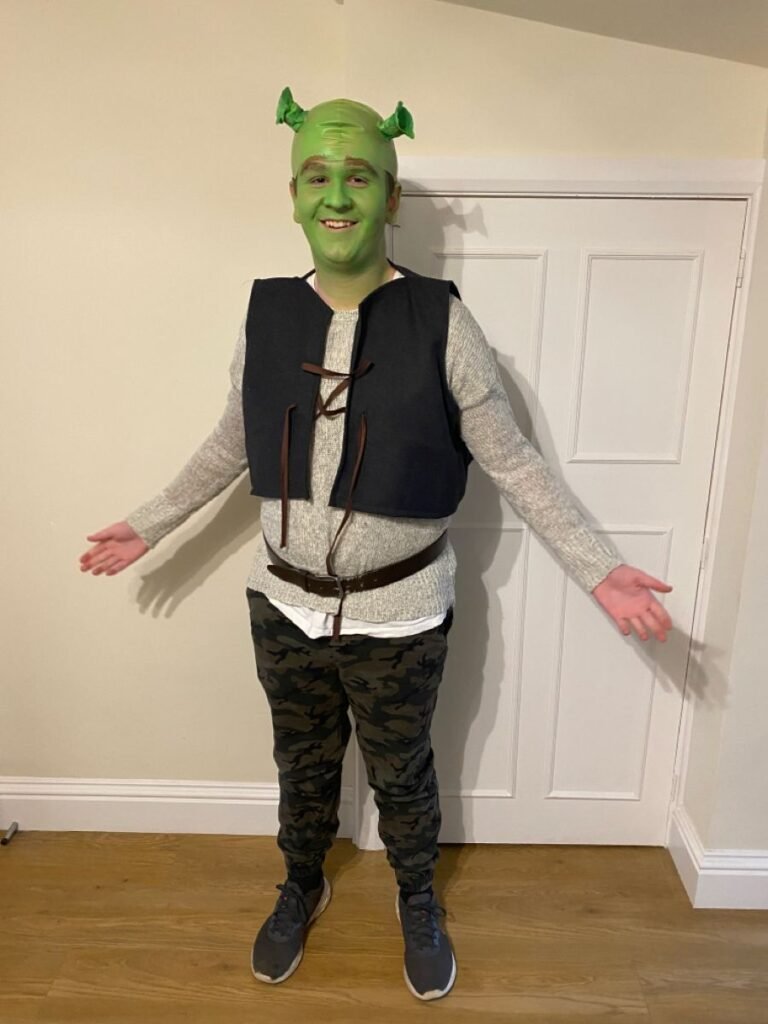
18. Gru
Gru is built from a long coat, striped scarf, dark trousers, and his distinctive bald head shape. Long outerwear creates the narrow, exaggerated silhouette associated with the animated character. Striped scarf breaks up the upper body and serves as one of his most recognizable clothing details. Close-cropped or covered hair styling keeps the head shape consistent with Gru’s character design.
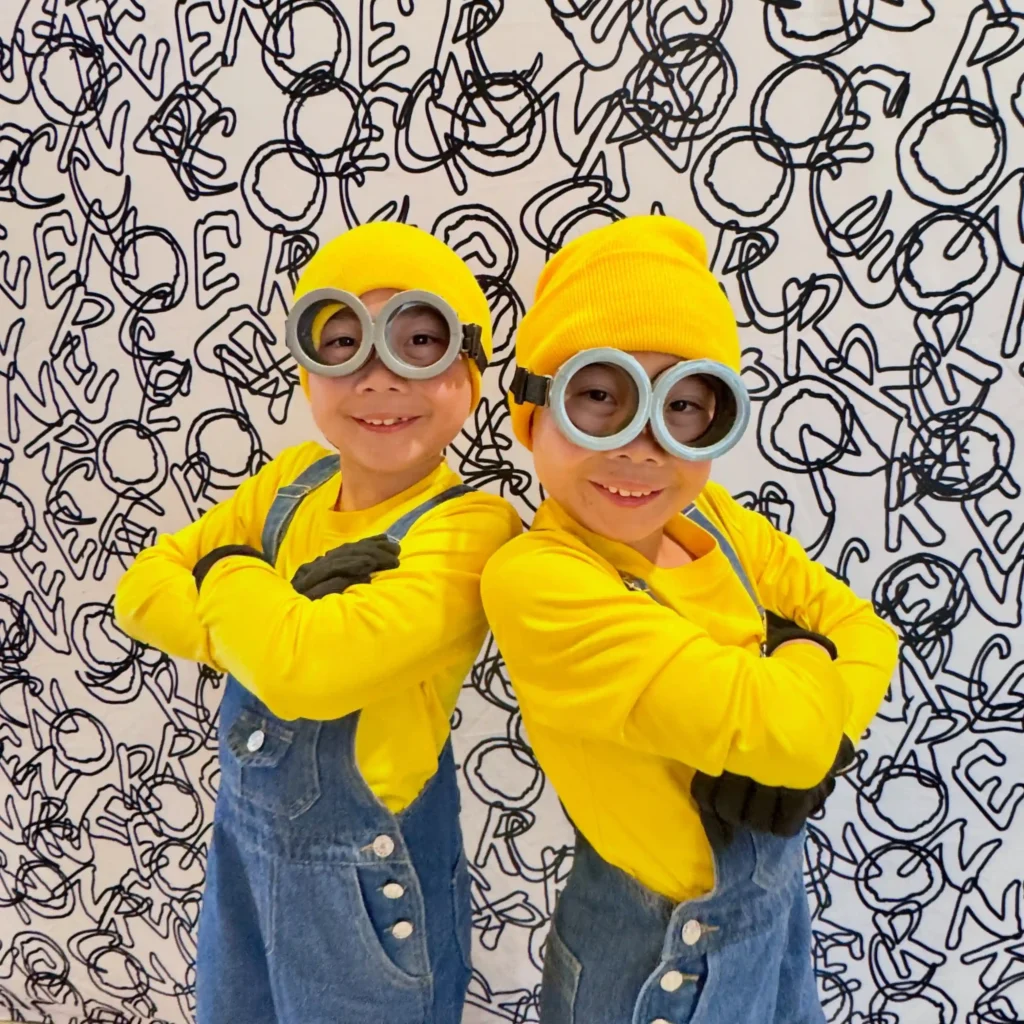
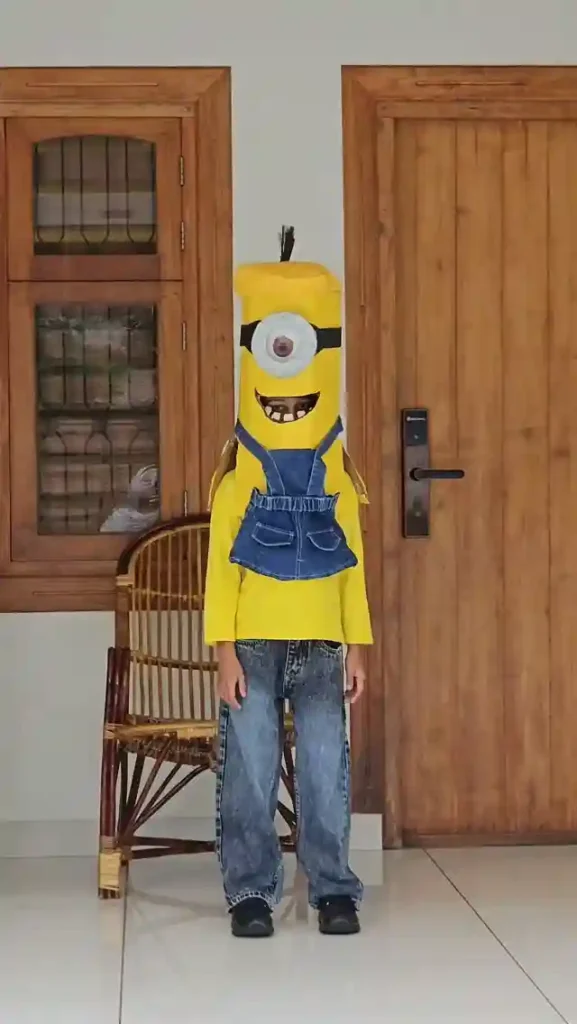
19. Minion
Minion costumes revolve around a rounded body, oversized goggles, and workwear-style clothing. Padded or full-body construction can produce the short, cylindrical shape associated with the character. Large goggles dominate the face and immediately identify the costume, while blue overalls complete the familiar animated design. Simple gloves can preserve the rounded cartoon proportions without adding unnecessary accessories.
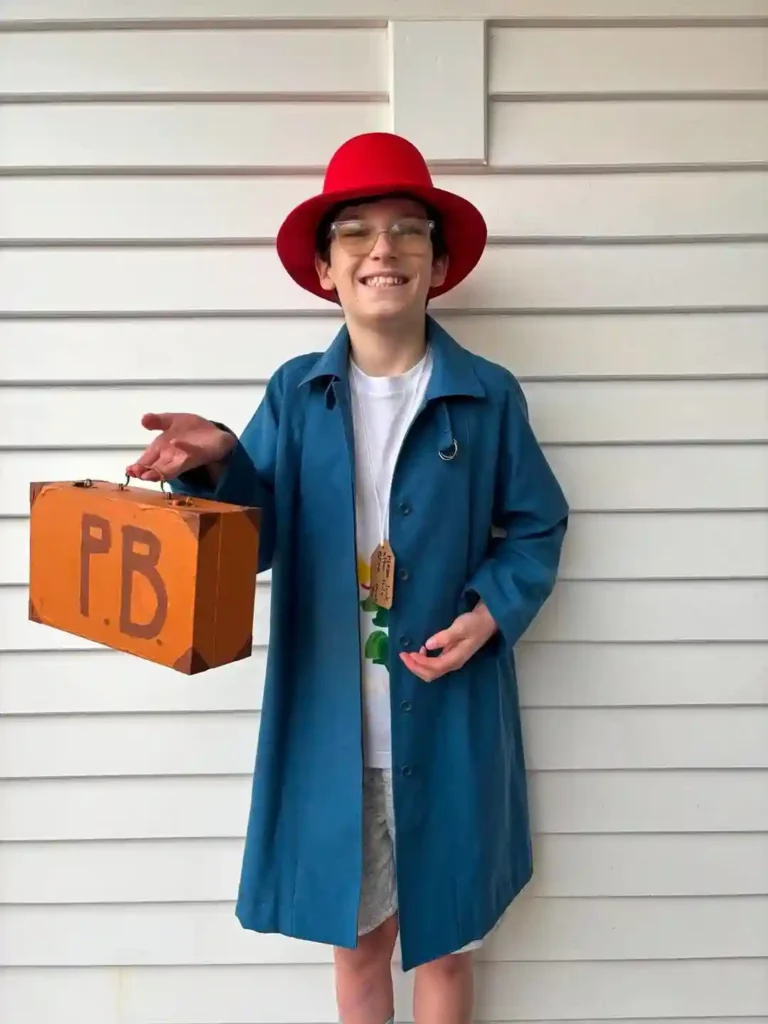
20. Paddington Bear
Paddington Bear combines a bear-shaped head, simple clothing layers, and travel accessories associated with the beloved character. Bear ears and a bear-face hood establish the animal identity before any props are added. Coat and trousers give the body a classic storybook shape, while a small suitcase connects directly to Paddington’s traveling background. Sandwich-shaped accessory can provide another character detail without changing the main costume concept.
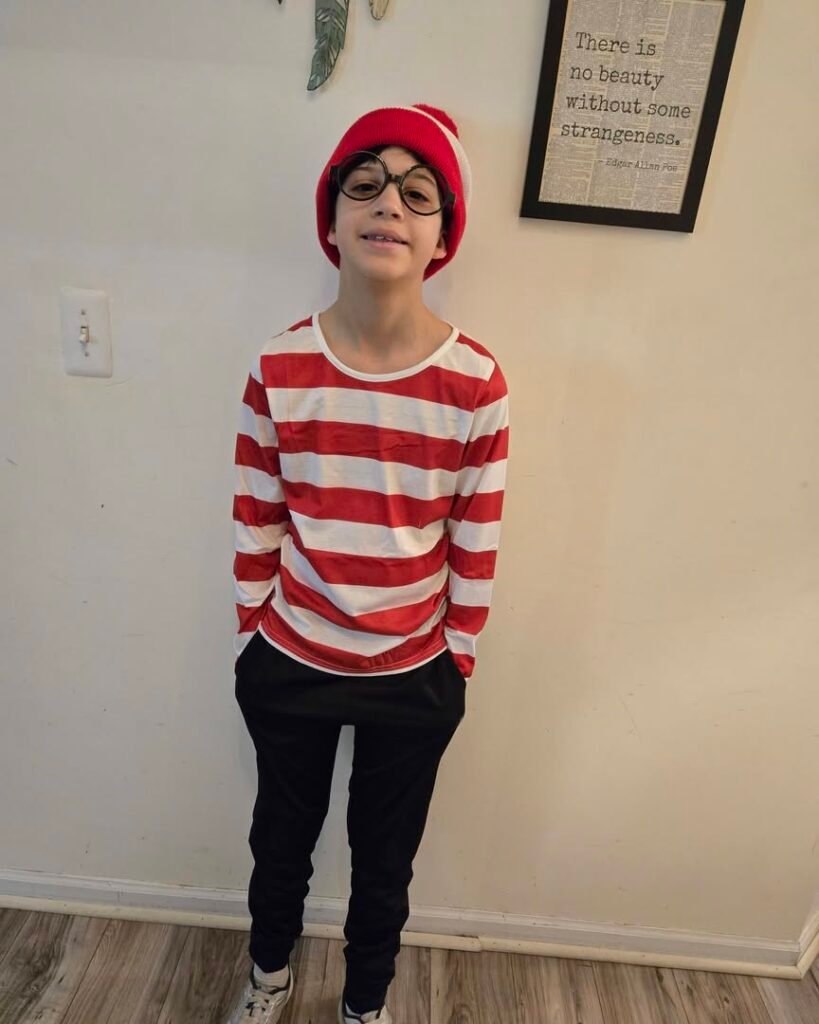
21. Where’s Waldo
Where’s Waldo depends almost entirely on his recognizable striped shirt, matching hat, and glasses. Stripes across the upper body provide the strongest visual clue, while the hat repeats the same pattern around the head. Round glasses help frame the face and complete Waldo’s familiar illustrated appearance. Simple trousers keep attention on the character’s signature upper-body details instead of introducing unnecessary costume pieces.
22. Mr. Monopoly
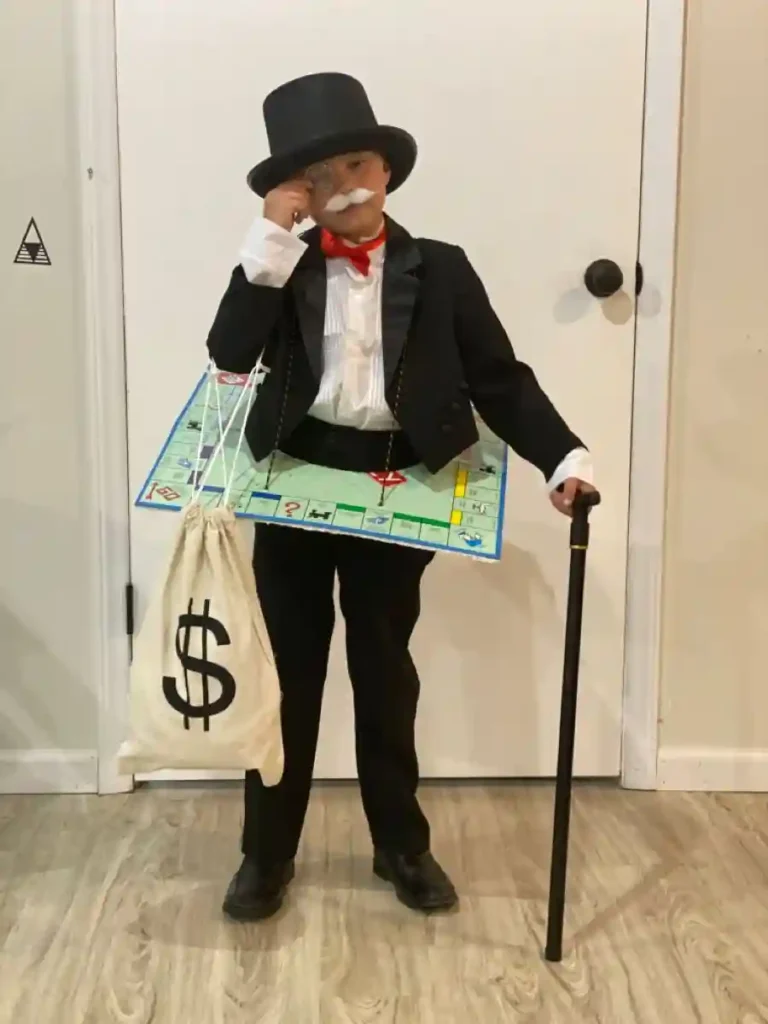
Mr. Monopoly is defined by formal clothing, a top hat, facial hair, and a cane. Suit layers establish the character’s wealthy businessman silhouette while the tall hat gives the head a strong shape. Curled mustache can be added with makeup or a costume piece to reinforce the familiar face. Holding a cane completes the character’s posture and provides the clearest accessory associated with his classic design.
23. Charlie Chaplin
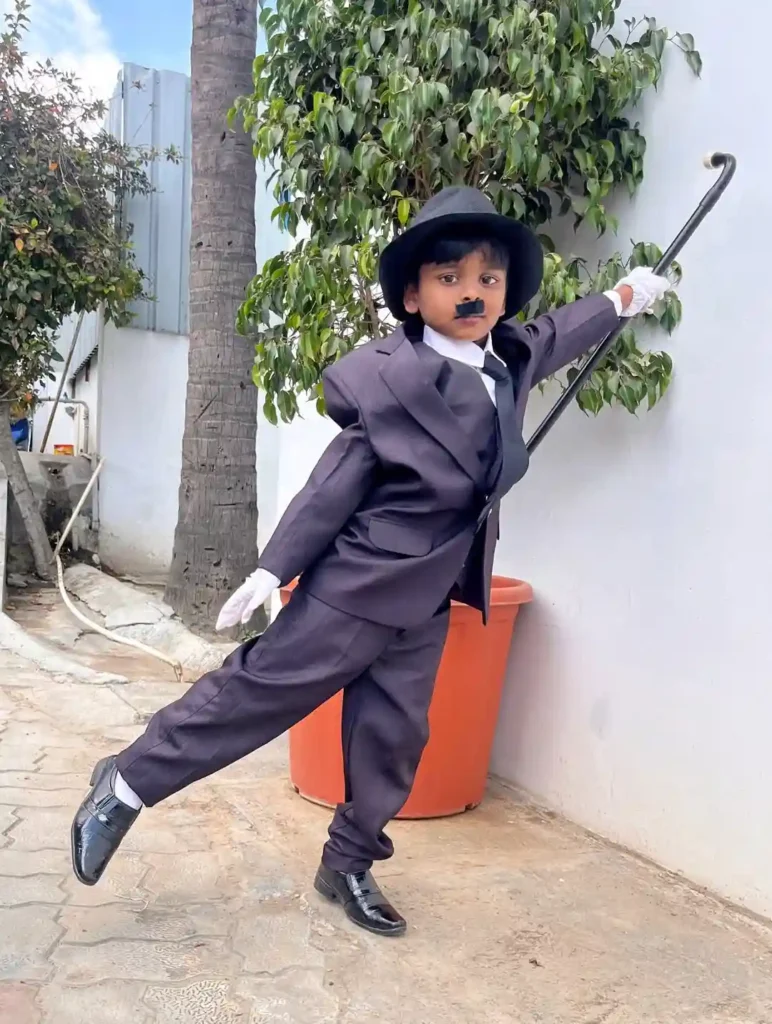
Charlie Chaplin relies on a bowler hat, small mustache, suit, and cane to recreate his famous silent-film character. Slightly loose formal clothing helps reproduce Chaplin’s familiar comic silhouette without requiring elaborate construction. Small painted or costume mustache provides the most important facial detail. Comic walking poses and careful cane handling can then reinforce the character’s recognizable physical mannerisms.
24. Scarecrow
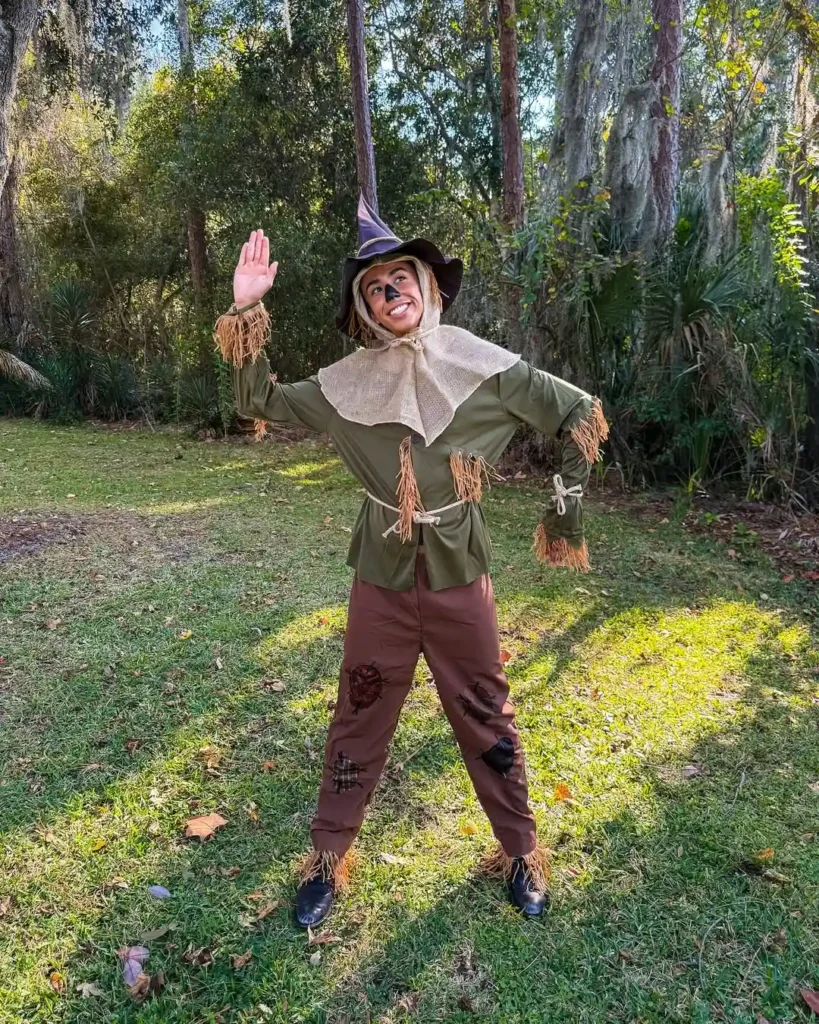
Scarecrow is centered on loose farm-style clothing, a floppy hat, and visible straw details. Straw can be tucked around cuffs, sleeves, collar, and hat edges to make the costume appear loosely stuffed. Baggy layers help produce the relaxed shape associated with a scarecrow standing in a field. Simple stitched or patch-like face makeup can suggest handmade construction while keeping the character easy to recognize.
25. Pumpkin Head
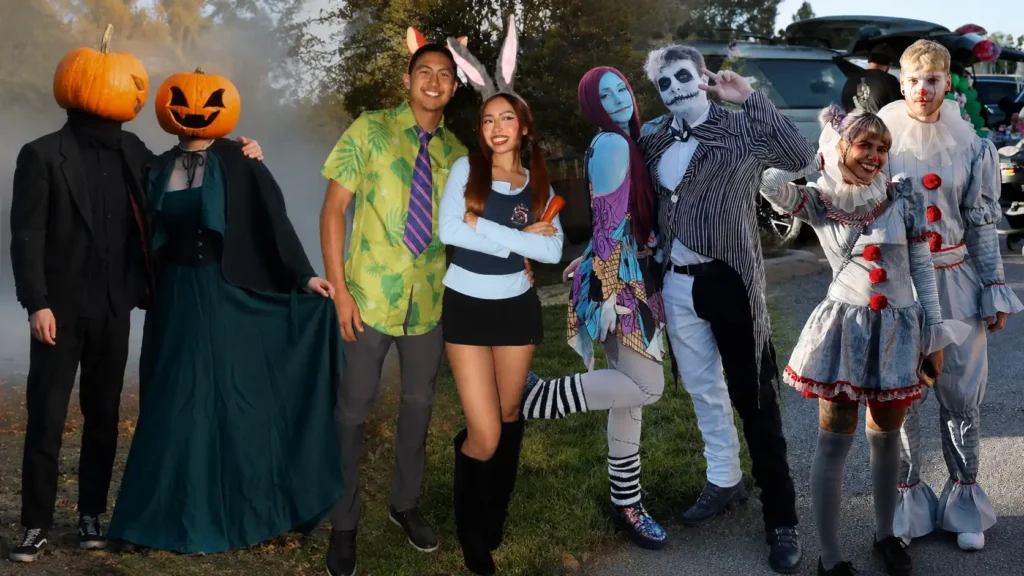
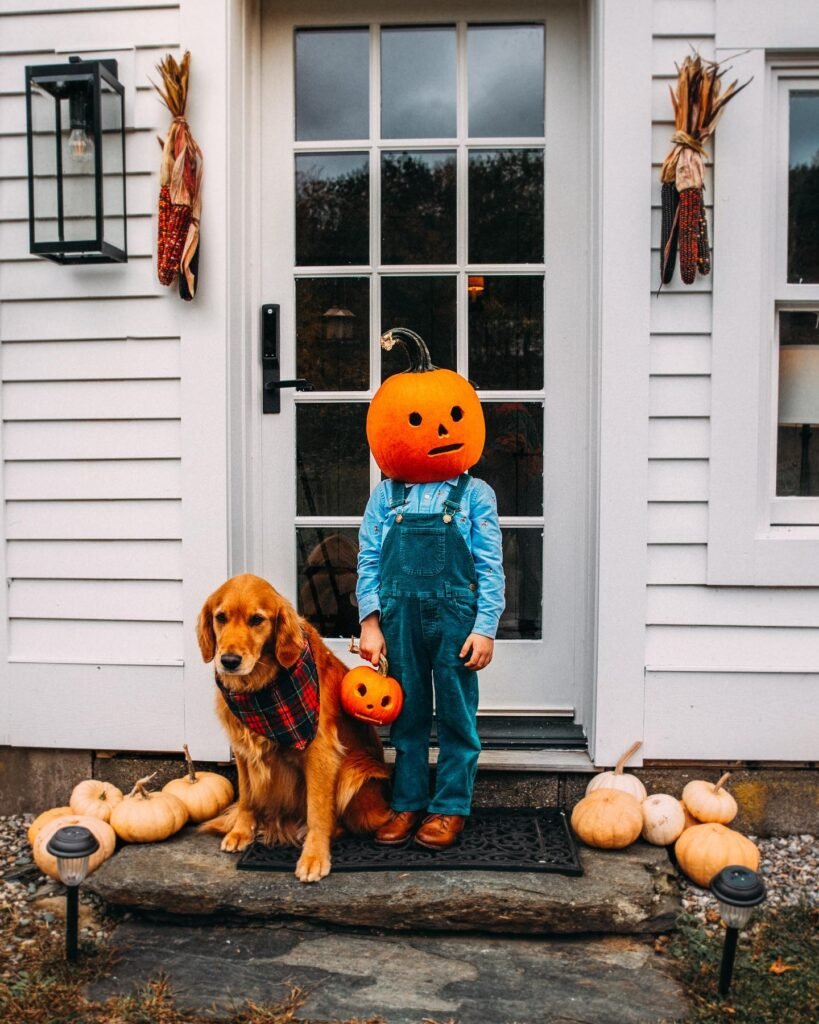
Pumpkin Head makes an oversized pumpkin headpiece the central element of the entire costume. Large mask or helmet should have clear eye openings and a comfortable fit so visibility is not sacrificed for the shape. Cutout mouth and eye forms give the head its recognizable carved-pumpkin appearance. Simple clothing underneath keeps attention on the oversized pumpkin silhouette rather than competing with the main costume piece.
26. Evil Jester
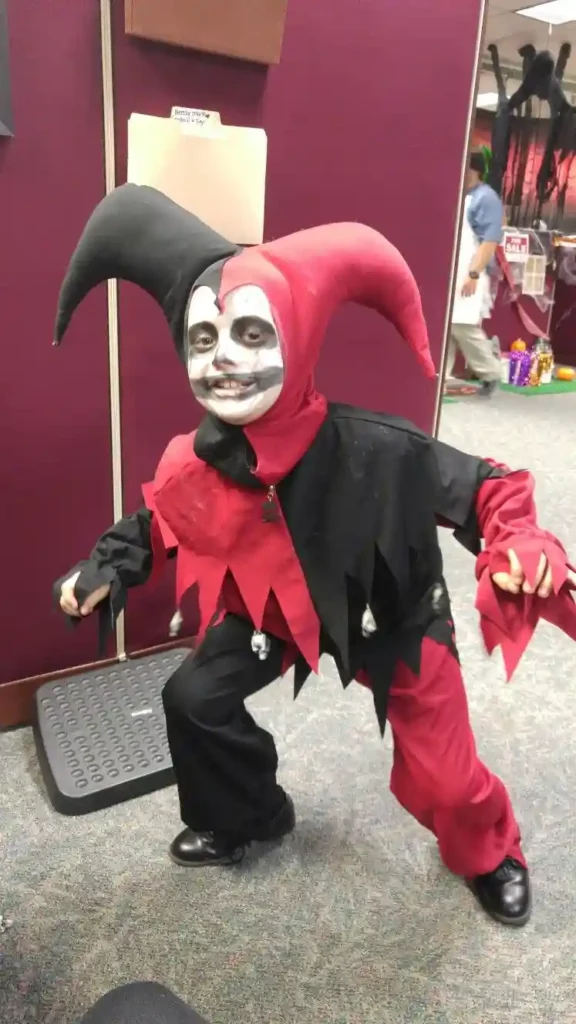
Evil Jester focuses on a pointed jester hat, exaggerated costume shapes, and theatrical facial makeup. Long hat points can frame the face and give the character a recognizable jester silhouette from a distance. Layered sleeves or a short cape can add movement around the upper body without changing the central theme. Darker facial detailing can shift the traditional jester concept toward a sinister character while keeping the hat as the main identifier.
27. Creepy Doll
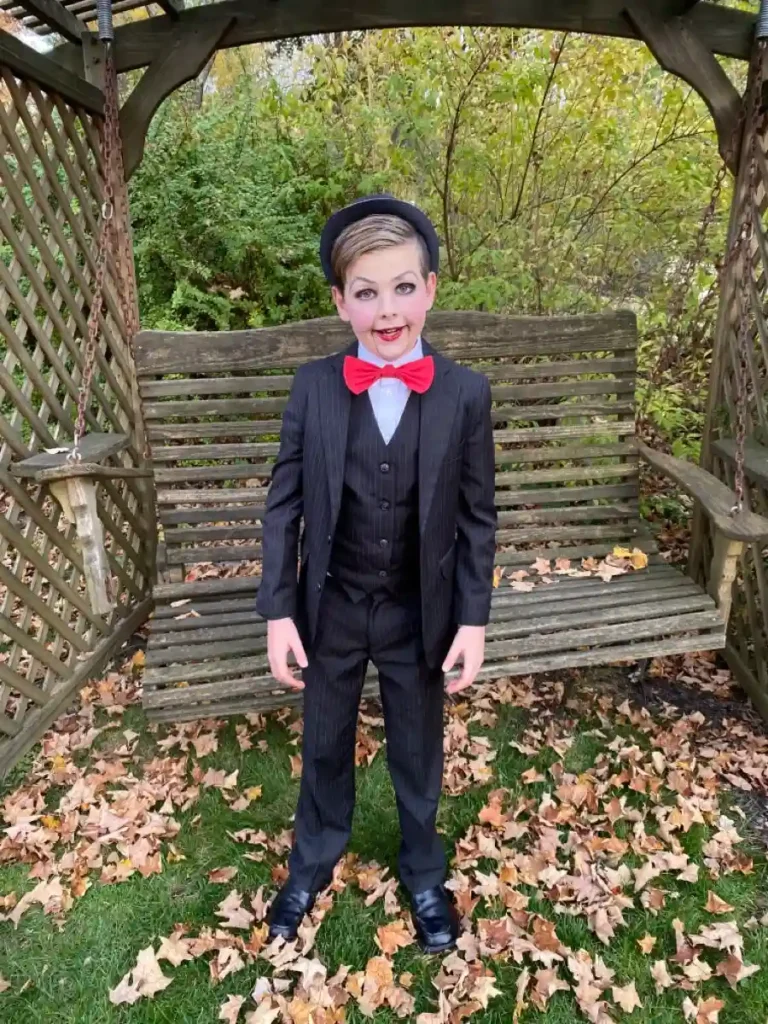
Creepy Doll depends on doll-like clothing, carefully arranged hair, and an artificial-looking face. Stiff posing and controlled movements can make the character appear more like a toy than a person. Face makeup may imitate painted features, exaggerated lashes, or fine cracks across the skin to suggest an old damaged doll. Clothing with a distinctly doll-like shape should remain the foundation so the makeup supports rather than replaces the costume.
28. Werewolf Hunter
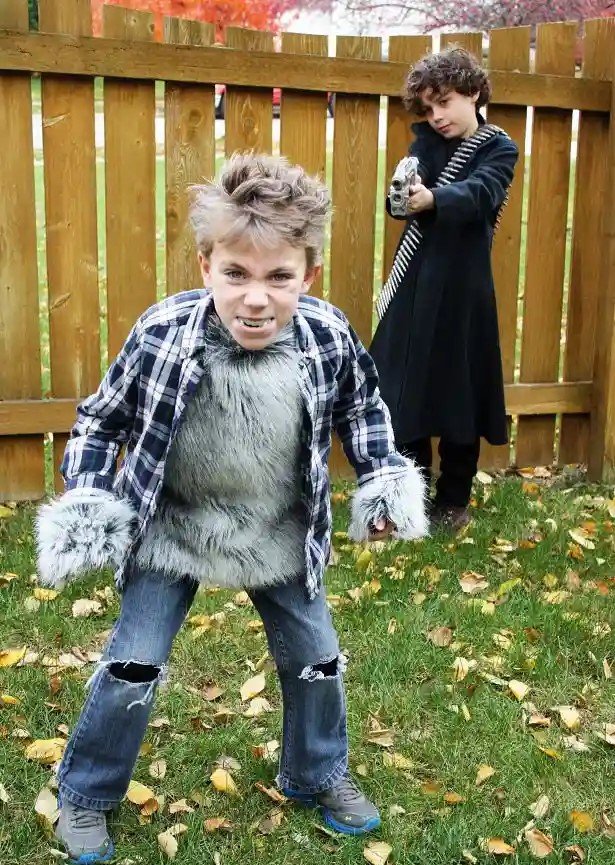
Werewolf Hunter combines rugged hunting clothing with practical gear that suggests tracking a dangerous creature. Layered outerwear gives the character a prepared-for-the-woods silhouette without requiring fantasy armor. Flashlight, map, or tracking notebook can communicate the hunter’s purpose through simple props. Small claw-mark details on clothing or gear can connect the outfit to werewolf hunting while keeping the hunter identity central.
29. Phantom of the Opera
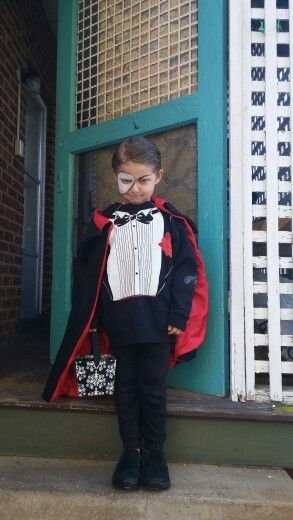
Phantom of the Opera centers on formal clothing, a dramatic outer layer, and the famous half-face mask. Formal tailoring gives the costume its theatrical foundation while a cape or flowing layer adds movement around the shoulders. Half-mask should remain clearly visible because it is the character’s most recognizable facial detail. Minimal accessories keep attention on the formal silhouette and masked face rather than turning the outfit into a generic stage costume.
30. Invisible Man
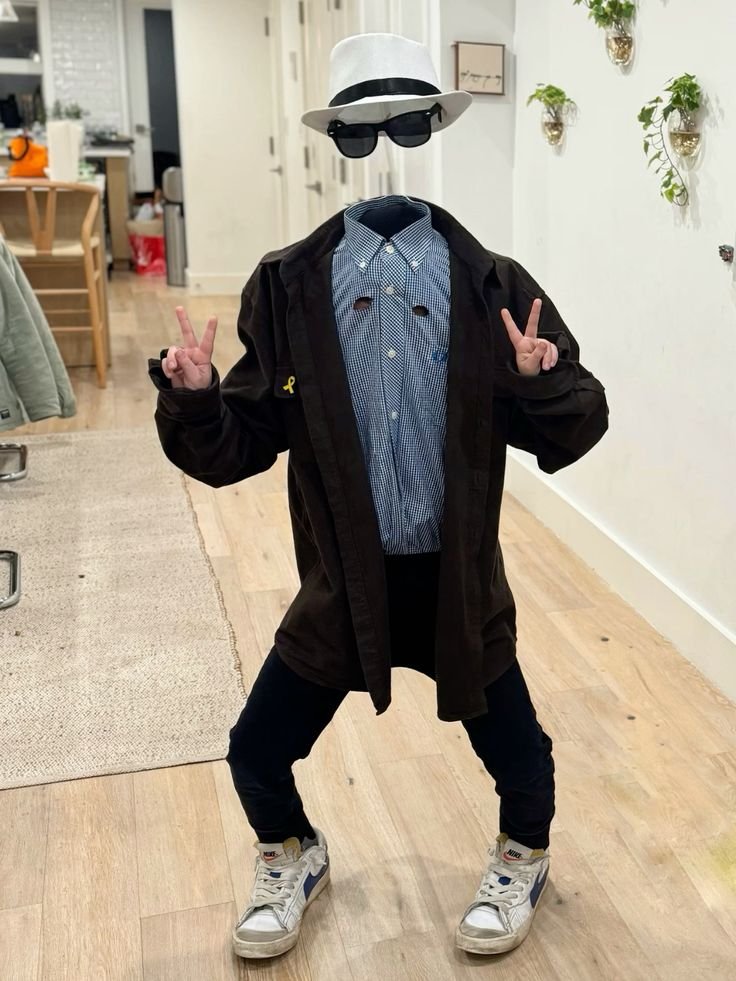
Invisible Man relies on complete facial coverage, layered clothing, gloves, and concealed skin to create the illusion of an unseen face. Bandages wrapped around the head should leave no obvious facial features visible while maintaining enough space for safe breathing and vision. Gloves help continue the illusion by preventing exposed hands from breaking the character concept. Dark glasses can be used as an additional detail, but the wrapped face remains the central element.
Conclusion
Costume selection becomes easier when you first decide how much movement, makeup, and accessory handling the wearer can manage. Headpieces deserve extra attention because visibility and comfort can become problems after several hours. Props should stay lightweight and safe, especially for costumes built around swords, hooks, canes, bows, or other character equipment. Character makeup also works best when it supports an already recognizable outfit instead of carrying the entire costume alone. A strong choice is one that keeps its defining details clear without making the child uncomfortable.