Halloween costumes that feel creative without becoming complicated can be surprisingly tricky. From iconic movie characters and glamorous throwback looks to spooky classics with stylish twists, the right outfit can turn a simple celebration into a memorable moment. These creative Halloween costumes ideas focus on recognizable looks that are easy to recreate with accessible clothing, makeup, accessories, and a few clever details. Whether you want something glamorous, spooky, playful, or instantly recognizable, each idea offers a practical way to create a standout Halloween look without relying on an elaborate costume.
1. Regina George
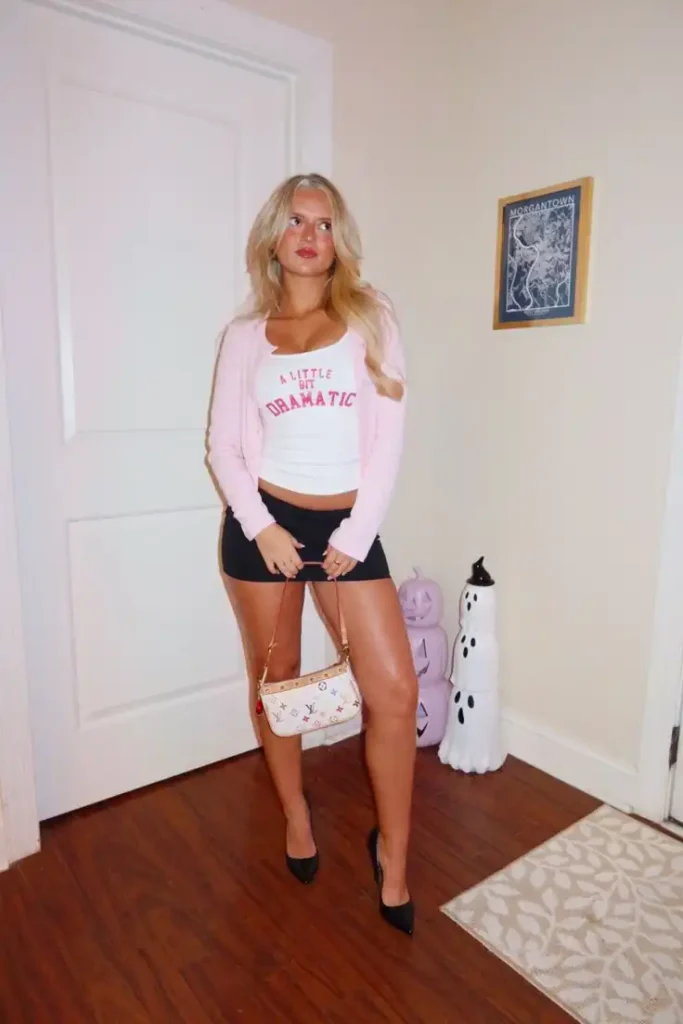
Regina George captures the polished, instantly recognizable attitude of the Mean Girls character through a carefully coordinated outfit and a few familiar school-social details. A fitted top paired with a skirt or other character-inspired clothing keeps the silhouette close to her signature appearance. Hair styling and a confident, polished finish help sell the reference without needing an oversized prop. Small nods to the film can make the costume clearer while keeping the outfit wearable.
2. M3GAN
M3GAN works best when the costume leans into the doll-like proportions and controlled, almost mechanical character presence seen in the film. Structured clothing, neatly arranged hair, and deliberate makeup help separate the idea from an ordinary doll costume. Movement can also play a part, since M3GAN’s stiff posture and recognizable dance-inspired mannerisms reinforce the character. Keeping the pieces clean and precise makes the costume easier to identify from a distance.
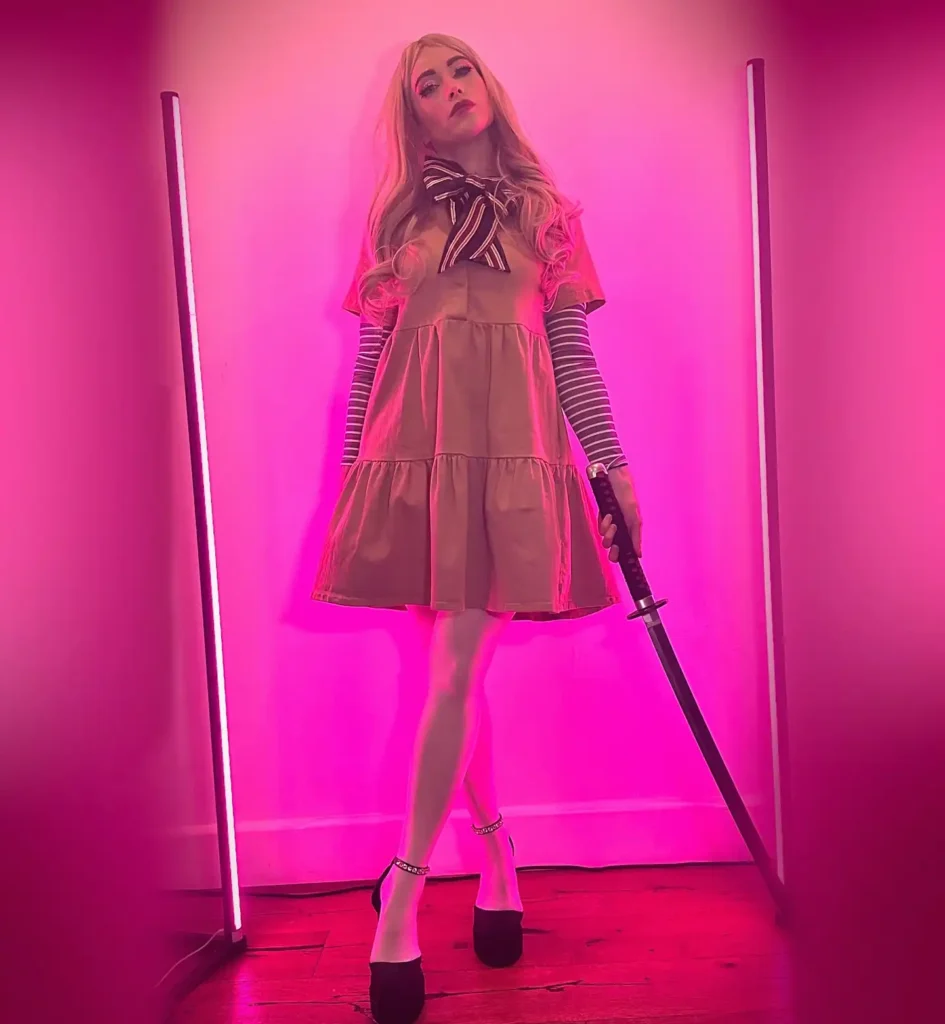
3. Elphaba
Elphaba draws its identity from the character’s witch-inspired silhouette, dramatic stage presence, and distinctive facial transformation associated with Wicked. A pointed hat, layered clothing, and a broom-like prop can establish the character before smaller details come into view. Face makeup plays an important role because it immediately separates Elphaba from a general witch costume. Strong posture and a theatrical expression can further echo the character without adding unnecessary pieces.
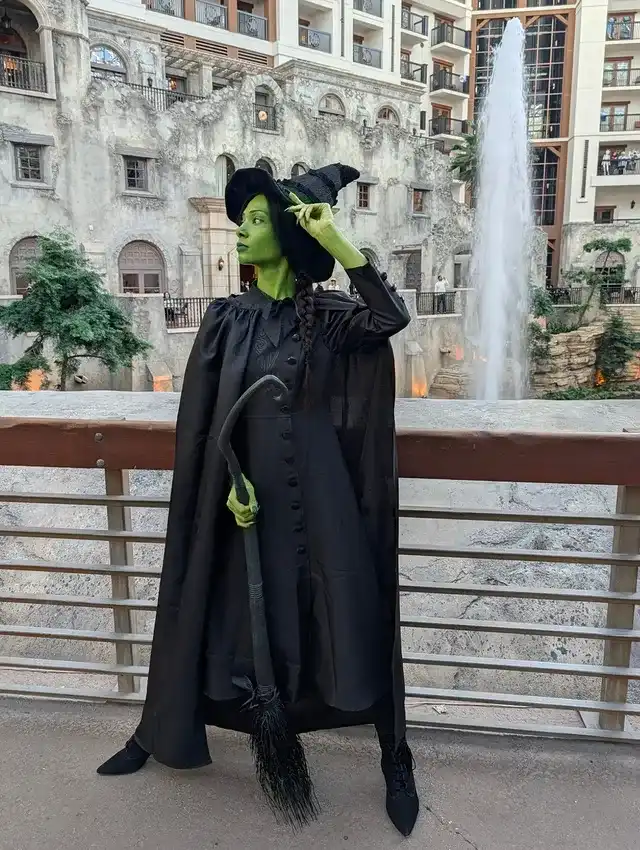
4. Glinda
Glinda centers on the polished, theatrical presence of the beloved Wicked character, with an elaborate gown silhouette and a prominent crown-like headpiece. A wand gives the costume an immediate storybook connection and helps distinguish Glinda from a general fairy or princess. Hair and makeup can remain soft and carefully arranged to support the character’s refined presentation. Choosing pieces with volume and decorative detail helps preserve her grand, stage-inspired presence.
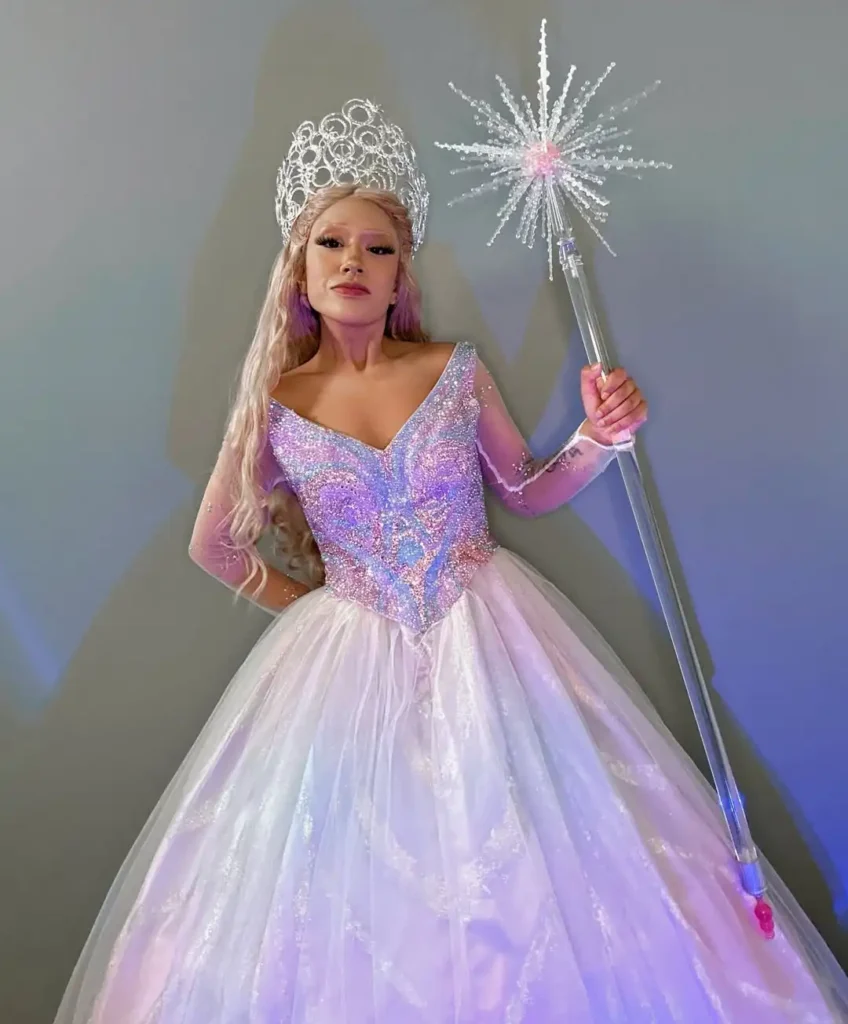
5. Taylor Swift
Taylor Swift can be interpreted through a recognizable era, performance outfit, album-inspired reference, or a carefully chosen version of one of her public stage personas. Rather than mixing unrelated references, focusing on one era gives the costume a clearer direction. A signature hairstyle, microphone, friendship-bracelet detail, or lyric-inspired accessory can reinforce the chosen reference. Keeping the concept tied to one recognizable moment makes the costume easier to understand.
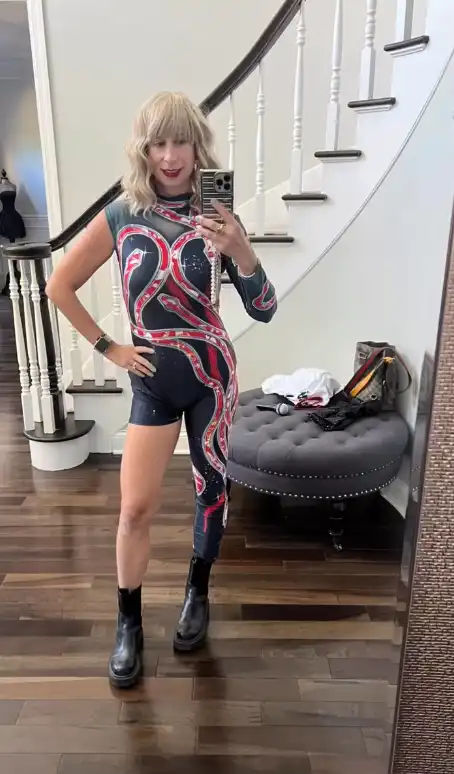
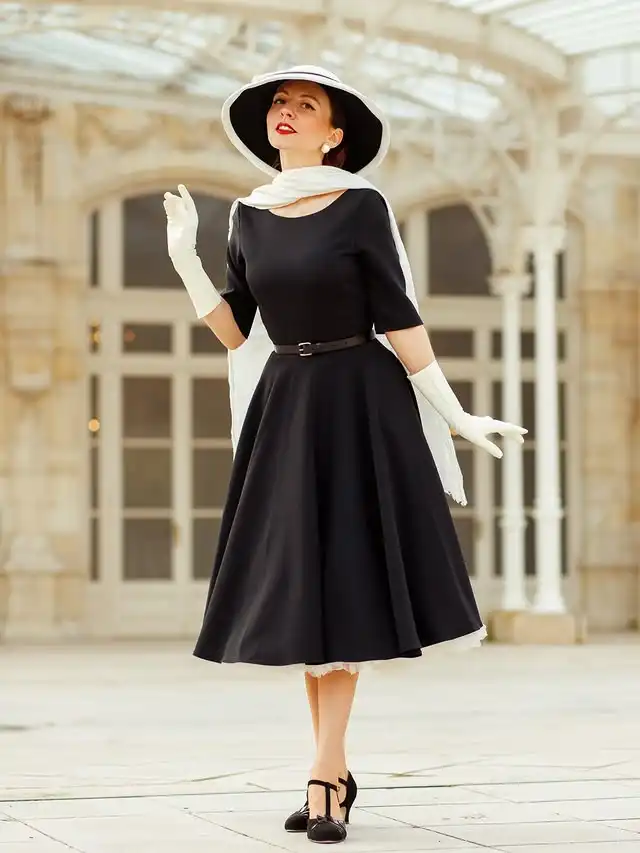
6. Audrey Hepburn
Audrey Hepburn draws on her unmistakable classic screen image, especially the elegant styling associated with her best-known film roles and photographs. A simple dress silhouette, gloves, carefully styled hair, and refined jewelry can establish the reference without excessive costume pieces. Oversized sunglasses or a long cigarette holder may provide an additional nod when appropriate to the chosen interpretation. Clean lines matter more here than heavy layering or theatrical extras.
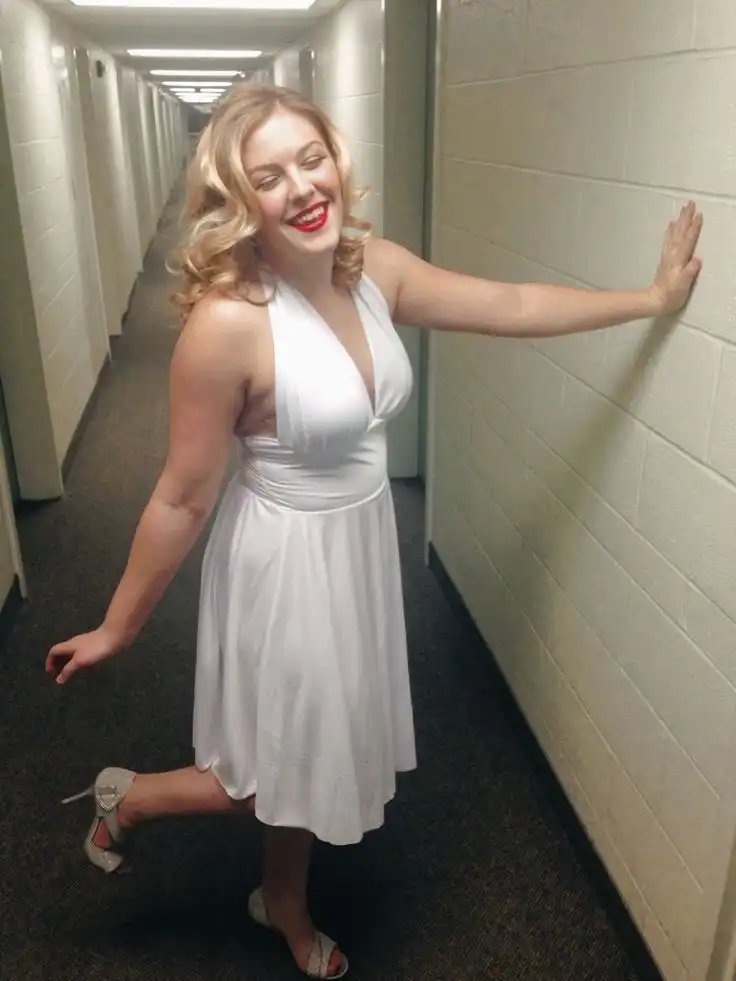
7. Marilyn Monroe
Marilyn Monroe is easiest to recognize when the costume focuses on one of her famous screen or publicity images rather than a general vintage outfit. A fitted or flowing dress silhouette, carefully arranged hair, and classic glamour styling can point directly toward her Hollywood persona. Posing also matters because several of Monroe’s most recognizable images depend on posture and movement. Choosing one well-known reference keeps the costume focused instead of blending several eras together.
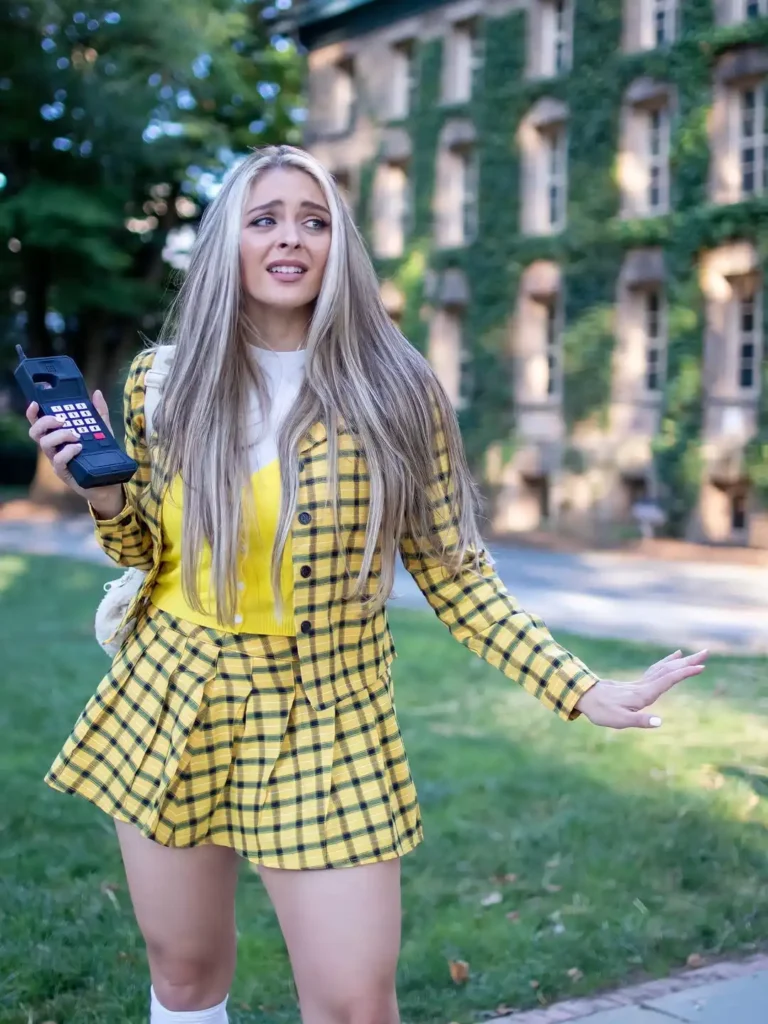
8. Cher Horowitz
Cher Horowitz relies on the coordinated, fashion-conscious school wardrobe that made the Clueless character so recognizable. Matching separates and a polished, preppy silhouette establish the main reference more clearly than random accessories. A small handbag, carefully styled hair, or a nod to Cher’s digital closet can support the costume without distracting from the clothing. Keeping the outfit coordinated is essential because the character’s identity is closely tied to deliberate styling.
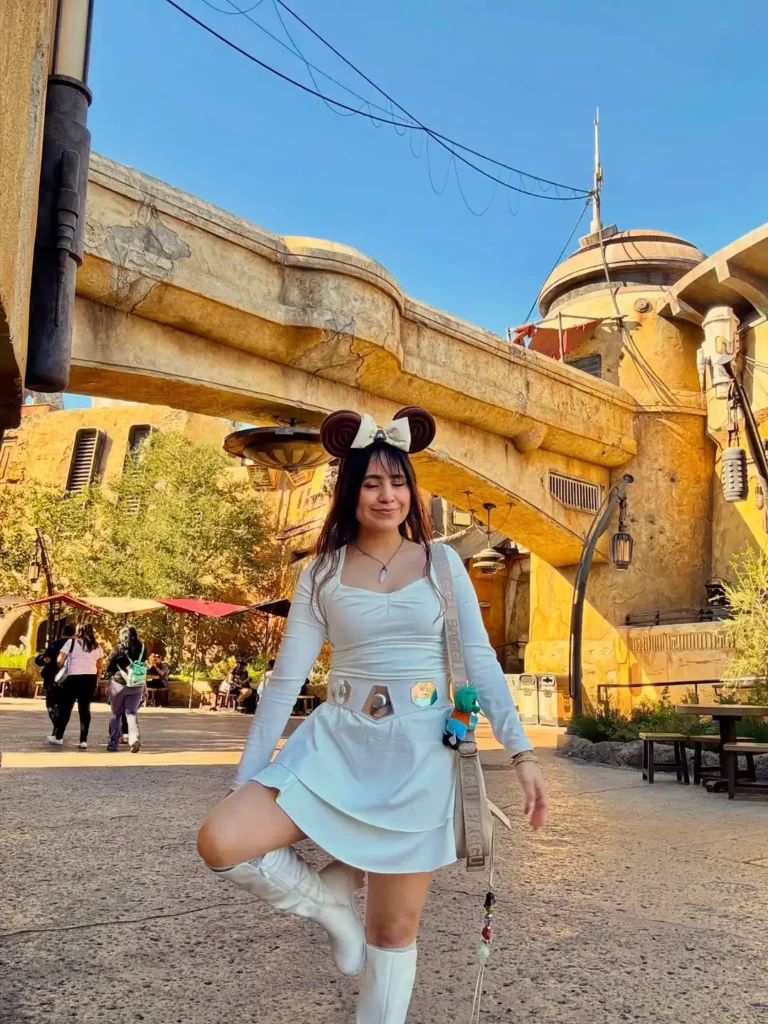
9. Princess Leia
Princess Leia is defined by her unmistakable hair arrangement and the clean, structured clothing associated with her appearances in Star Wars. Reproducing the hairstyle immediately gives the costume a strong visual connection, even when the outfit itself remains relatively simple. A character-appropriate prop can provide another recognizable cue without overwhelming the silhouette. Different film versions offer flexibility, but sticking to one version keeps the character reference clear.
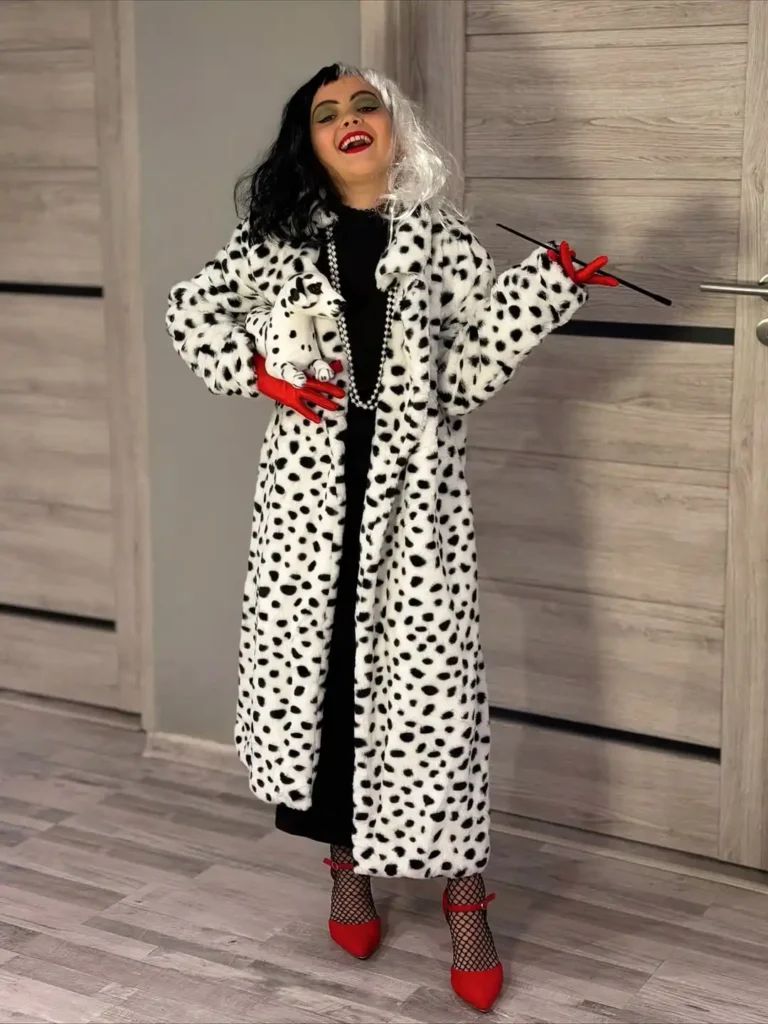
10. Cruella de Vil
Cruella de Vil depends on exaggerated glamour, dramatic outerwear, and the sharp visual contrast associated with her distinctive hair and villainous screen persona. A bold coat or structured dress can establish the fashion-forward silhouette at the center of the costume. Gloves, jewelry, or a long holder-style prop may strengthen the character reference without turning the outfit into a general villain costume. Attitude matters here, so dramatic posing can support the clothing choices.
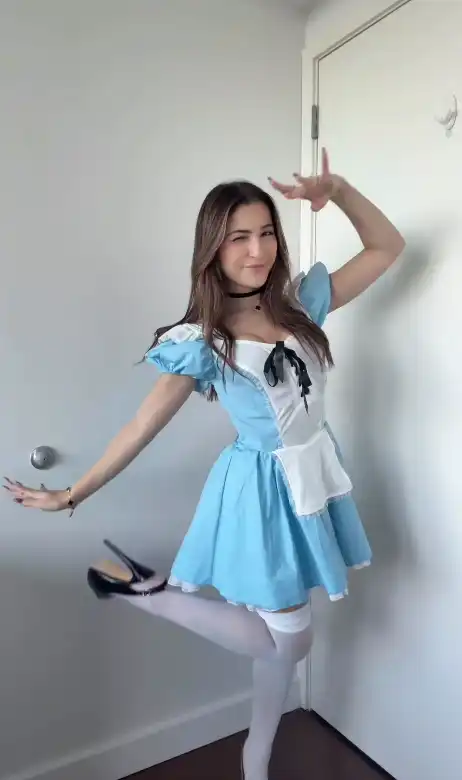
11. Alice in Wonderland
Alice in Wonderland is built around the familiar storybook image of a young girl stepping into an unusual and increasingly surreal world. A dress with an apron-like layer, a headband, and carefully chosen proportions can establish the classic interpretation. Story-inspired details, such as a small pocket watch reference, can connect the outfit to Wonderland without adding unrelated characters. Keeping the silhouette neat and recognizable prevents the costume from drifting into a generic fairytale theme.
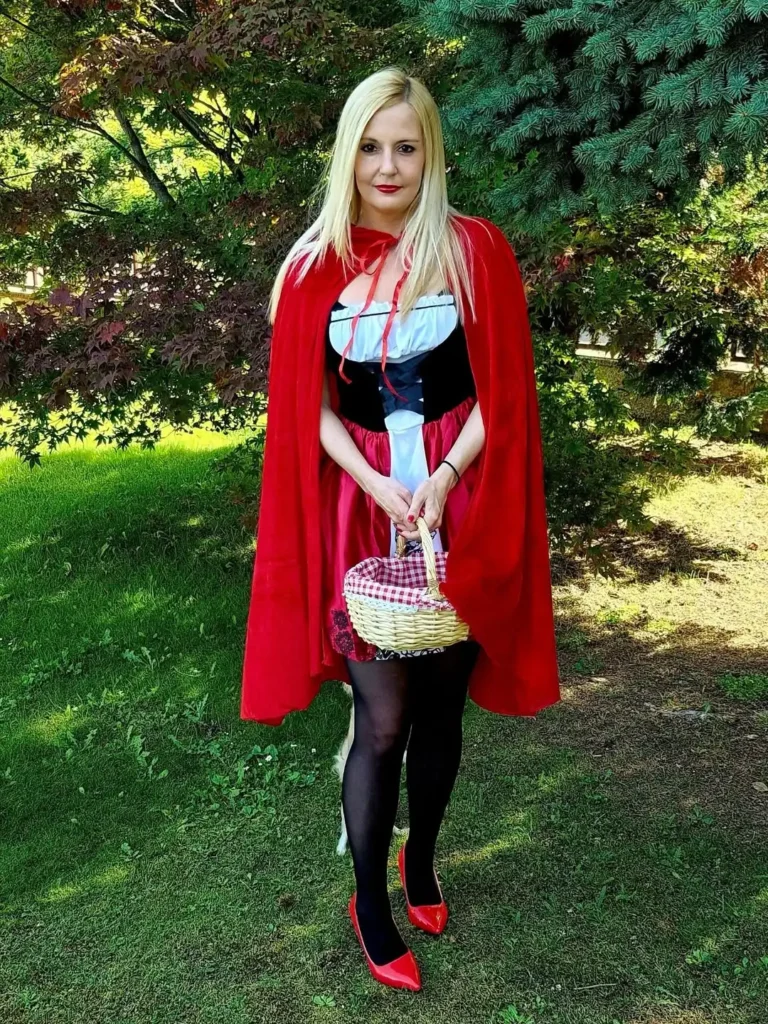
12. Red Riding Hood
Red Riding Hood centers on the unmistakable hooded cape that immediately connects the costume to the classic folktale. Clothing underneath can remain simple because the cape carries most of the visual identity. A basket may support the story reference when it suits the version you are creating, while makeup can stay minimal or shift toward a darker interpretation. Keeping the hood prominent helps distinguish the costume from an ordinary cape-based outfit.
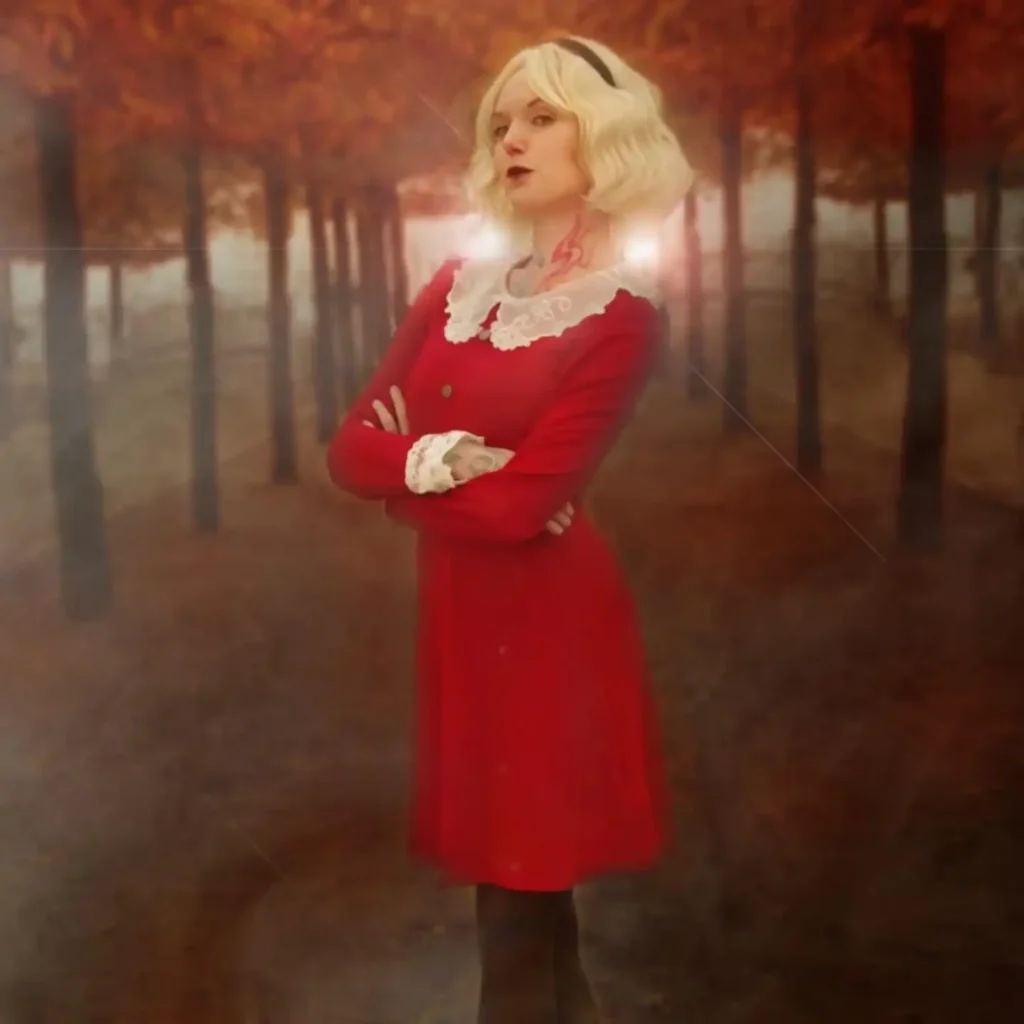
13. Sabrina Spellman
Sabrina Spellman can draw from the teenage witch’s school wardrobe, magical accessories, or darker occult-inspired versions seen across different adaptations. Choosing one version first prevents the costume from becoming a mixture of unrelated witch details. A book, spell-inspired accessory, or familiar school-style clothing can point toward Sabrina’s character and everyday double life. Subtle supernatural references work best when the clothing still feels connected to her specific world.
14. Daphne from Scooby-Doo
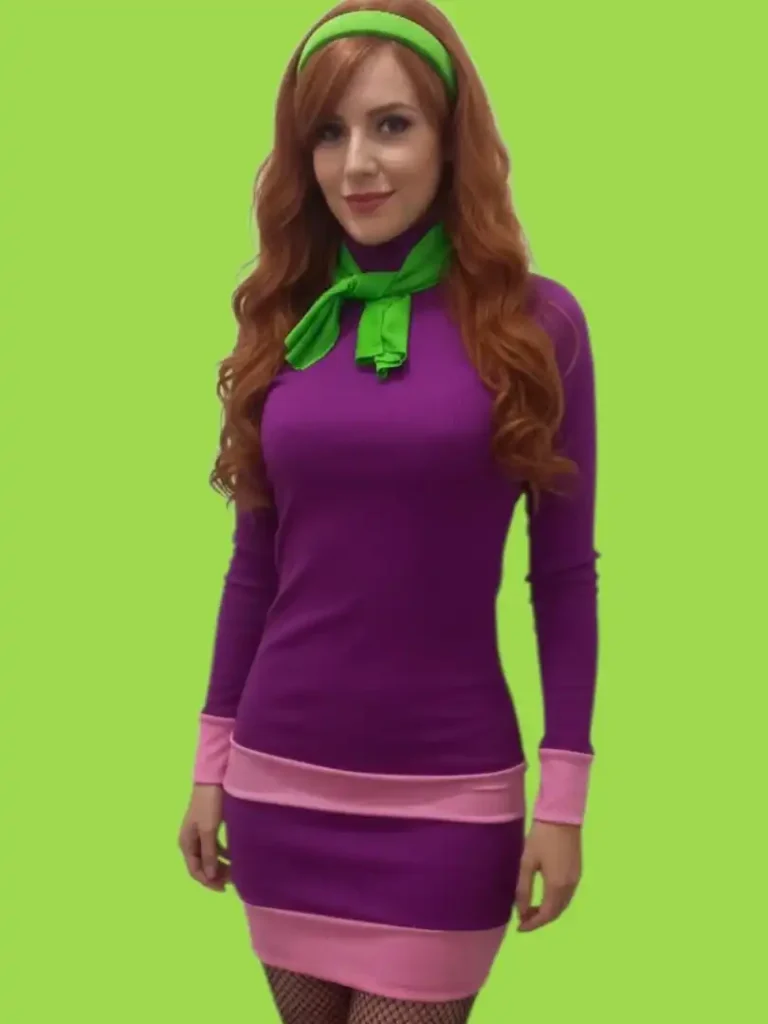
Daphne from Scooby-Doo is recognized by her signature dress, scarf, and headband, which form the core of her classic Mystery Inc. costume. Her distinctive hairstyle adds another strong visual cue and helps separate the character from a general retro outfit. Matching footwear can support the familiar animated silhouette without distracting from the main pieces. Keeping the dress, scarf, headband, and hairstyle connected makes the Daphne reference immediately clear.
15. Sandy from Grease
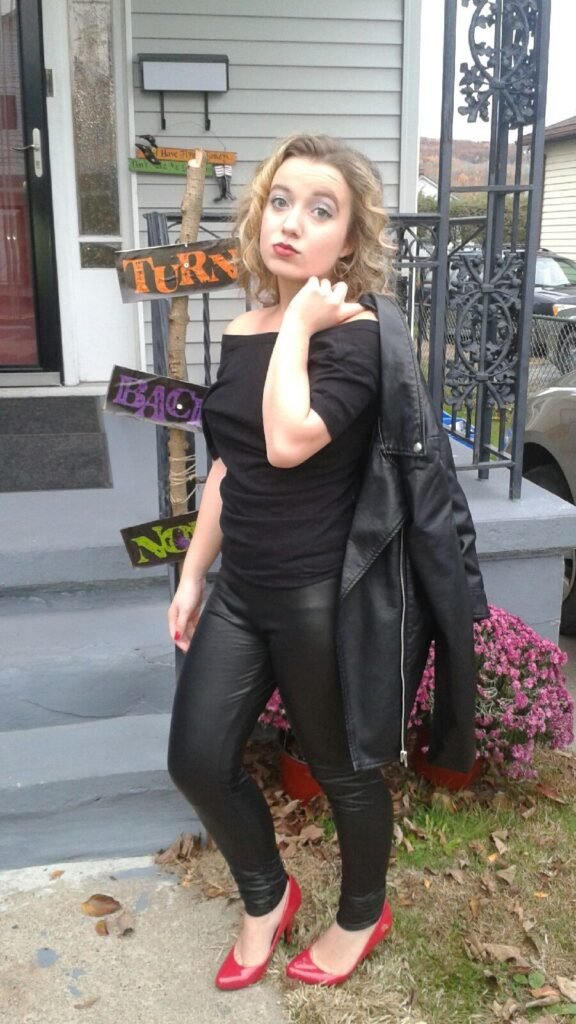
Sandy from Grease offers two recognizable directions, making it useful to choose either her earlier schoolgirl image or her transformed finale persona. One clear film reference will read better than combining pieces from both versions. Hair, fitted clothing, and character-specific styling can help signal the chosen stage of Sandy’s story. A subtle musical reference may support the concept, though the clothing and silhouette should do most of the identifying work.
16. Jessica Rabbit
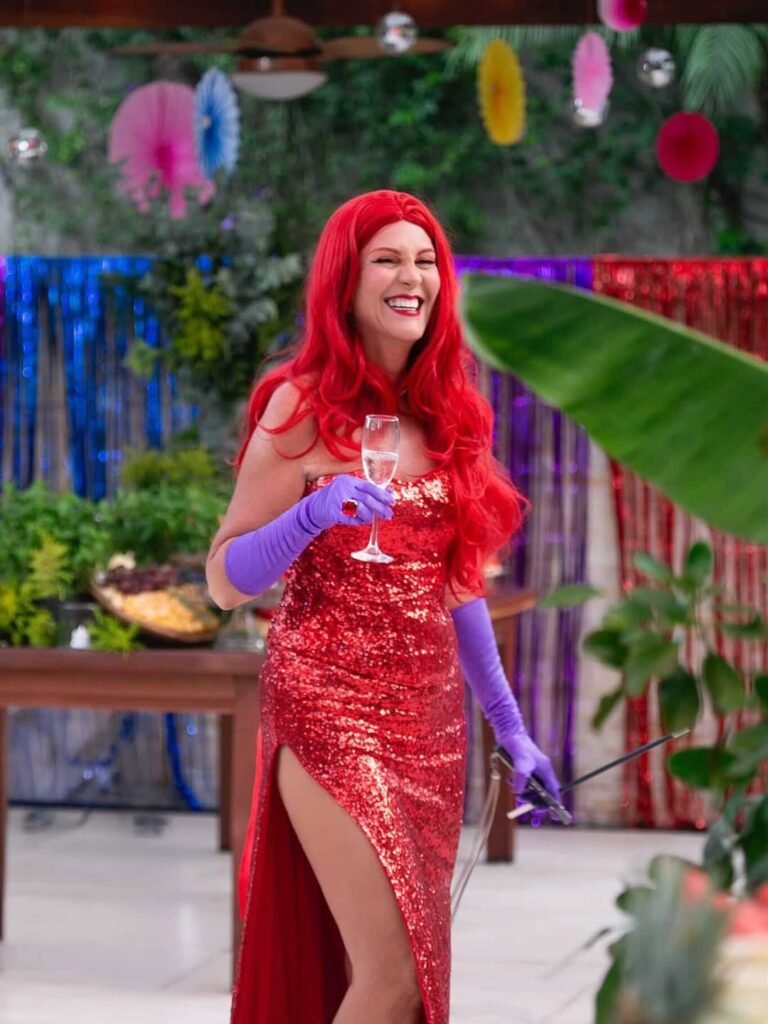
Jessica Rabbit is centered on dramatic proportions, old-Hollywood glamour, and the exaggerated animated presence of the Who Framed Roger Rabbit character. A form-fitting gown silhouette immediately establishes the character’s screen-inspired shape and keeps the costume focused. Long gloves, glamorous hair, and carefully shaped makeup can support the reference without adding unrelated cartoon details. Smooth, deliberate styling works better than a heavily accessorized outfit because Jessica’s silhouette carries much of the identity.
17. Cleopatra
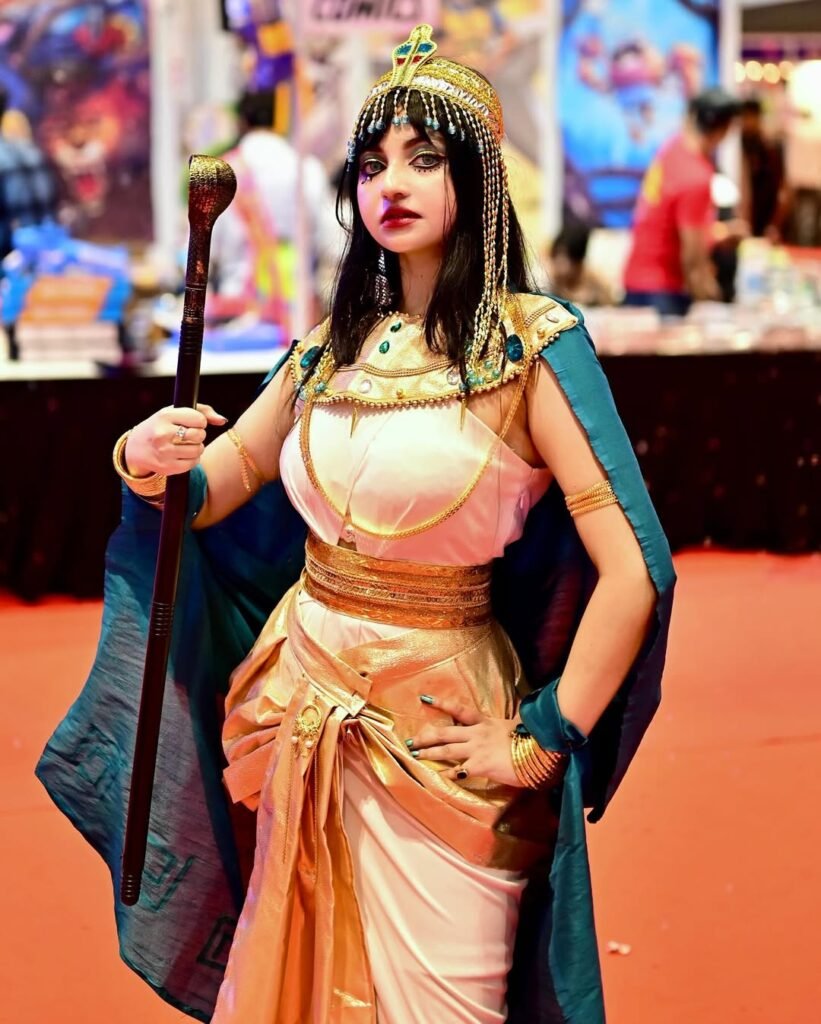
Cleopatra can be interpreted through ancient Egyptian-inspired clothing, ceremonial jewelry, dramatic eye makeup, and a strong, regal silhouette. A collar-style necklace or decorative headpiece helps establish the historical character reference without requiring a crowded outfit. Makeup often becomes one of the clearest identifying details, especially when paired with clean, symmetrical styling. Layering jewelry and costume pieces around a single royal theme keeps the interpretation focused.
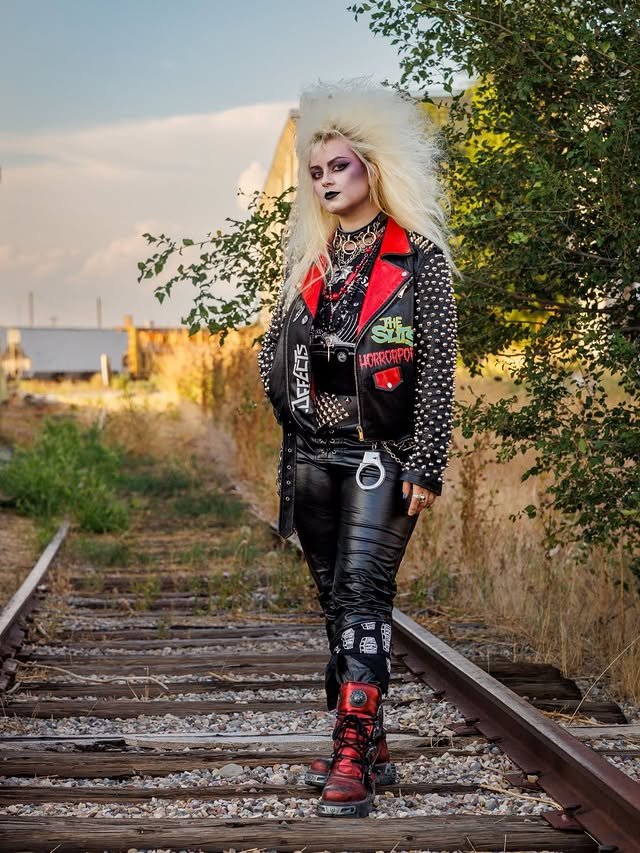
18. Rockstar
Rockstar leaves room for personal interpretation while still depending on recognizable stage elements that suggest a performer rather than an ordinary dressed-up outfit. A statement jacket, fitted clothing, instrument-inspired prop, or microphone can establish the music connection quickly. Hair and makeup can follow the energy of a chosen music genre without copying a specific artist. Building the costume around one performance persona gives the idea a stronger identity than simply adding random accessories.
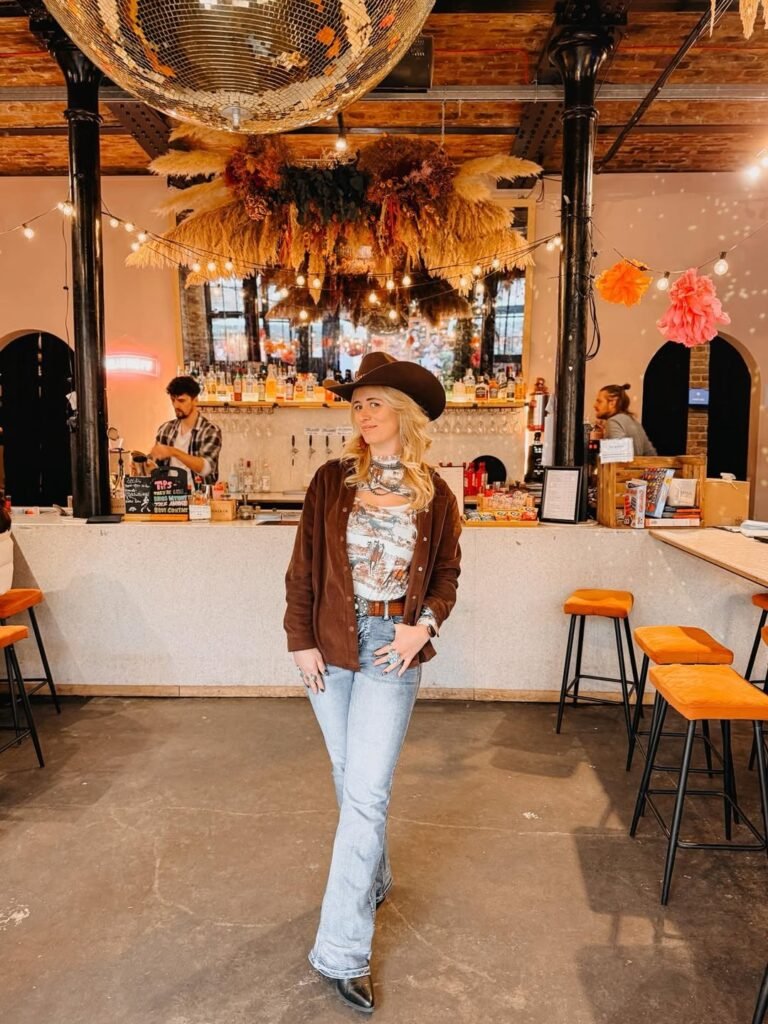
19. Disco Cowgirl
Disco Cowgirl blends western-inspired shapes with dance-floor details, creating a costume that sits between two familiar styles. Boots and a cowboy hat establish the cowgirl side, while reflective textures, fringe, or exaggerated accessories introduce the disco influence. Keeping both themes visible prevents one from overpowering the other. Movement-friendly pieces can also help the costume feel connected to dancing rather than resembling a standard western outfit.
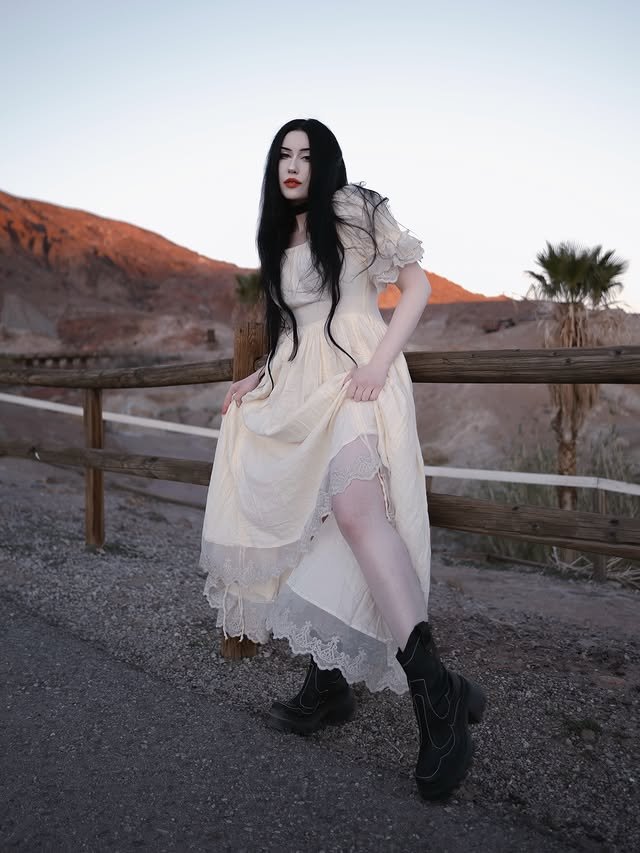
20. Classic Vampire
Classic Vampire depends on a dramatic cape, formal clothing, and familiar supernatural details rather than a modern character-specific interpretation. Fangs immediately communicate the theme, while makeup can sharpen the face and give the character a more theatrical presence. A high collar or other structured neckline helps build the traditional vampire silhouette. Keeping the costume rooted in recognizable old-school elements separates it from a general gothic outfit.
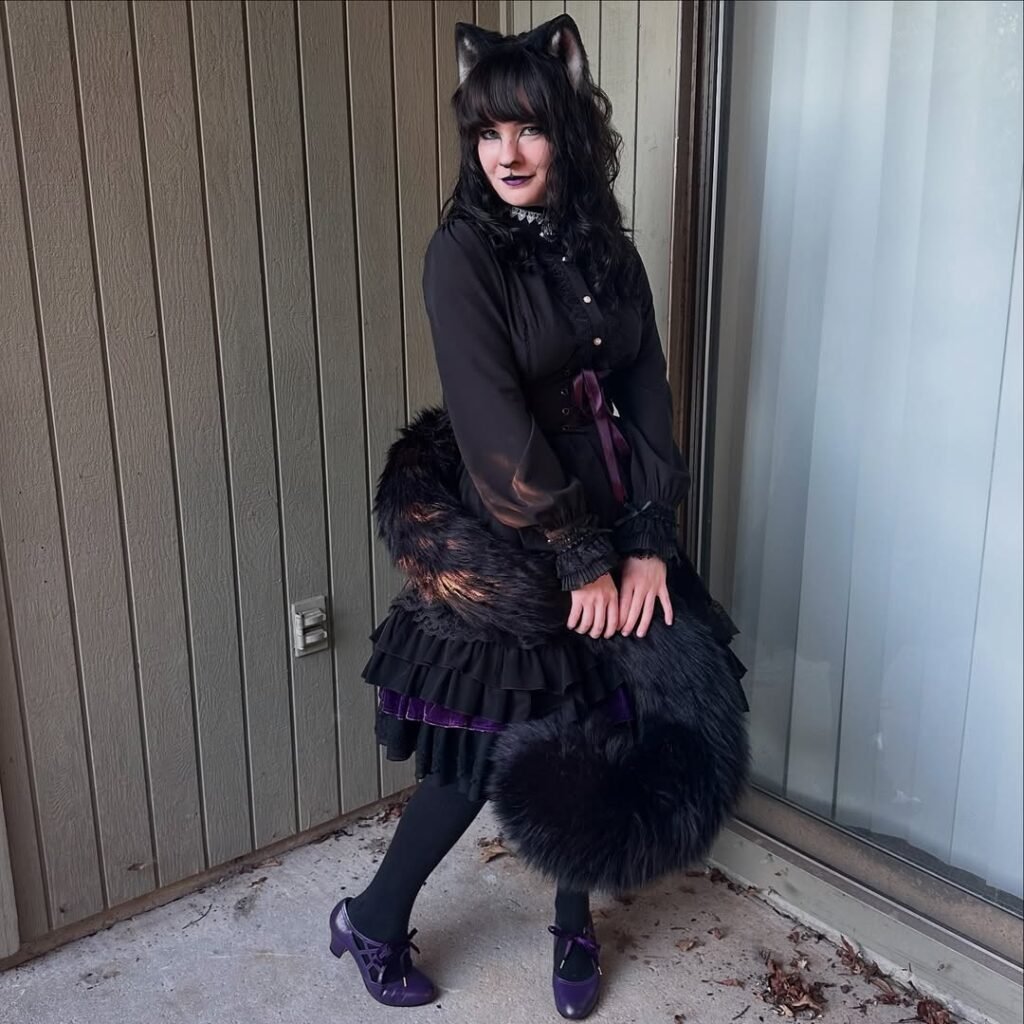
21. Black Cat
Black Cat uses feline details to turn a simple fitted silhouette into a recognizable animal-inspired costume. Cat ears and a tail provide the clearest visual cues, while whisker makeup can reinforce the theme without requiring a full mask. Sleek clothing helps keep attention on the body language and animal features rather than bulky costume layers. Small movements, such as a playful pose or curled hand gesture, can further suggest the character.
22. Scarecrow
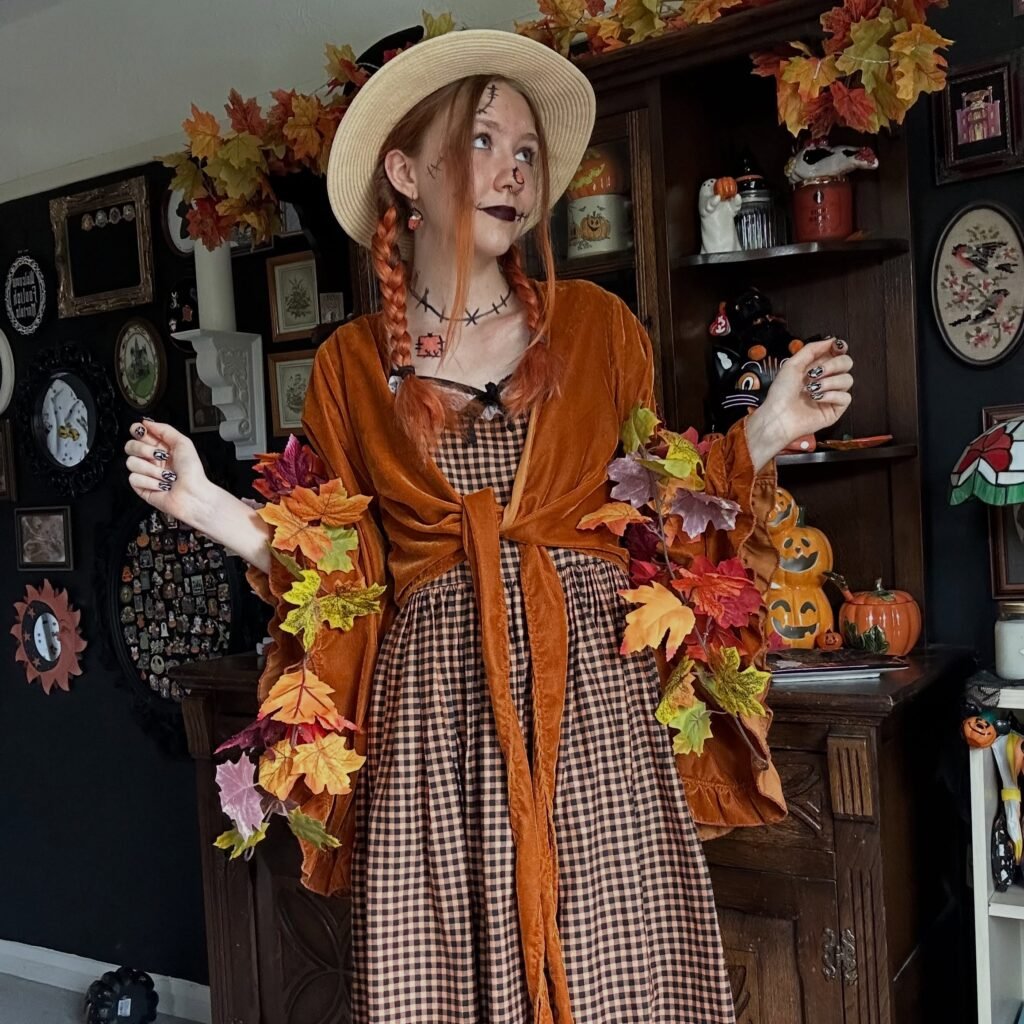
Scarecrow takes its shape from layered farm-inspired clothing and the handmade details associated with a figure placed in a field. Loose pieces, patched accents, and straw-like texture around selected areas help establish the character without requiring a literal prop-filled outfit. A hat can strengthen the familiar silhouette, while face makeup may suggest stitched or weathered details. Uneven layering works particularly well because a scarecrow should not feel overly polished.
23. Fairy
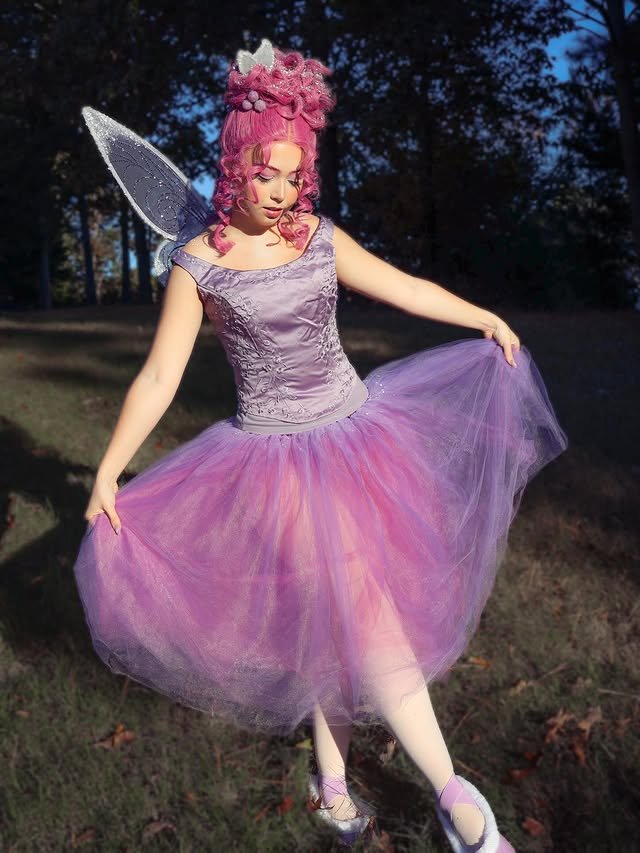
Fairy is defined most clearly by wings, light layers, and decorative details that suggest a magical character rather than a specific fictional person. Sheer or flowing elements can add movement, while a wand, floral detail, or delicate headpiece may support the theme. Makeup can remain subtle or become more imaginative depending on the direction of the costume. Choosing one magical motif helps the pieces feel connected instead of randomly assembled.
24. Pirate Girl
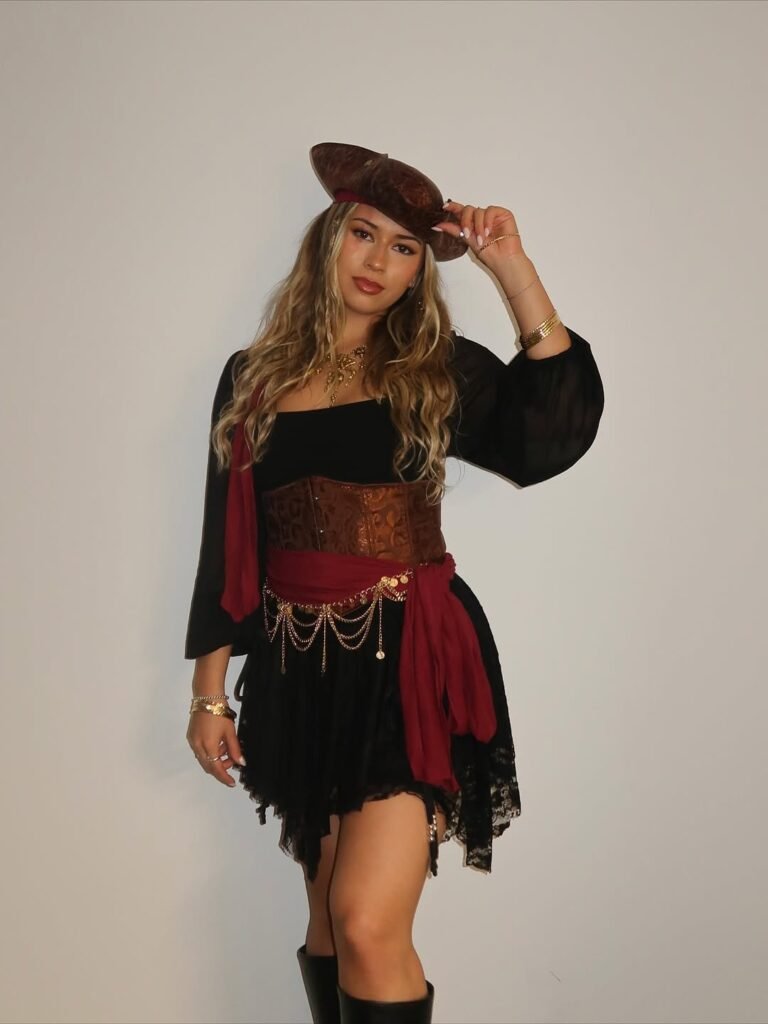
Pirate Girl is built around layered clothing, a character-inspired head covering, and details that suggest a life at sea. A belt, sash, jewelry, or toy treasure-related prop can help develop the theme when used selectively. Boots or other sturdy footwear may support the costume’s adventurous silhouette without requiring elaborate construction. Slightly uneven layers and relaxed styling can keep the outfit connected to a pirate character rather than formal period clothing.
25. Skeleton Glam
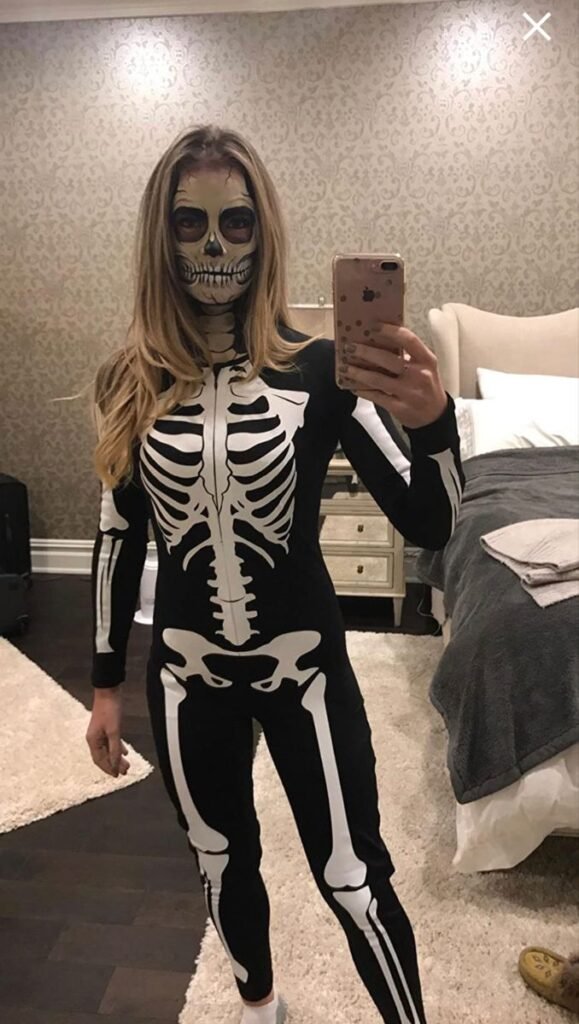
Skeleton Glam pairs recognizable bone-inspired makeup with a more polished approach to hair, clothing, and decorative details. Facial design carries much of the costume, allowing the rest of the outfit to stay focused on shape and finish. Jewelry, shimmer, or carefully placed embellishments can add contrast between the skeletal theme and the dressed-up presentation. Balancing detailed makeup with simpler clothing keeps the face from competing with too many costume elements.
Conclusion
Choosing a costume often works best when you decide which part of the idea matters most before adding extra details. Character recognition, comfort, movement, weather, and the type of event can all influence how much you want to build into the outfit. A detailed screen character may need only a few accurate visual cues, while an open-ended concept can leave more room for personal interpretation. Strong costume planning usually comes from selecting one clear reference and letting every added piece support that direction instead of competing with it.