One of the questions I hear most often is how to accessorize outfits without making them feel too busy or overdone. The truth is that accessories are one of the easiest and most affordable ways to refresh your style. You don’t need a completely new wardrobe to look polished. In fact, a few carefully chosen accessories can make old outfits feel exciting again.
Many people find accessorizing overwhelming because there are so many options. Should you wear earrings and a necklace together? Do your shoes need to match your bag? How much jewelry is too much? Fortunately, accessorizing becomes much easier once you understand a few simple principles.
My biggest piece of advice is to start small. Begin with the accessories you already wear comfortably and gradually build from there. Over time, you’ll discover combinations that feel natural and reflect your personal style.
1.Start With Your Outfit Before You Choose Accessories
Before reaching for your favorite jewelry or handbag, take a moment to look at the outfit itself. The colors, patterns, fabrics, and occasion should always guide your accessory choices. Trying to build an outfit around accessories often creates confusion and makes everything feel disconnected.
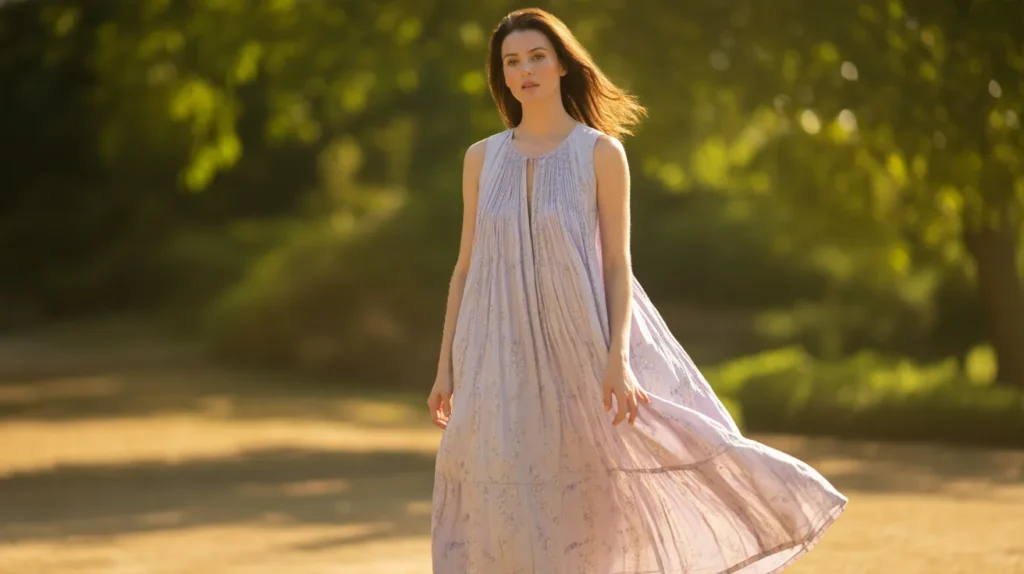
For example, a simple white shirt and jeans create the perfect canvas for statement earrings or a colorful handbag. However, a floral dress already contains a lot of detail, so subtle accessories usually create a better balance.
READ ALSO: How to Match Jewelry With Outfits: Secrets for a harmonious look
Think About the Colors
Neutral outfits allow you to experiment more with accessories. Black, white, beige, navy, and gray clothing pair beautifully with both silver and gold jewelry.
Bright clothing, on the other hand, usually benefits from simpler accessories. The goal is to complement the outfit rather than compete with it.
Consider the Occasion
Accessories that work for a coffee date may not feel appropriate for an office meeting or formal dinner. Thinking about where you are going helps narrow down your choices and creates a more polished appearance.
2. How to Wear Earrings to Elevate Your Style
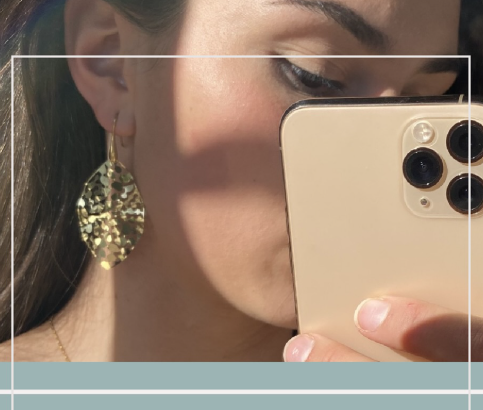
If you’re new to accessorizing, earrings are one of the easiest places to start. They instantly add personality without requiring much effort. Even small stud earrings can make an outfit feel more complete.
Match Earrings to Your Outfit
Simple outfits allow for bolder earrings. Meanwhile, printed clothing often works better with smaller or more delicate styles.
Consider Your Face Shape
Long earrings can help elongate round faces, while hoop earrings and softer shapes often complement square faces beautifully.
Pay Attention to Your Hairstyle
Short hairstyles highlight statement earrings beautifully. If you have long hair, larger earrings can help them stand out instead of disappearing beneath your hair.
Keep Other Jewelry Balanced
If your earrings are bold and colorful, consider keeping necklaces and bracelets more subtle. Balance is always more important than wearing everything at once.
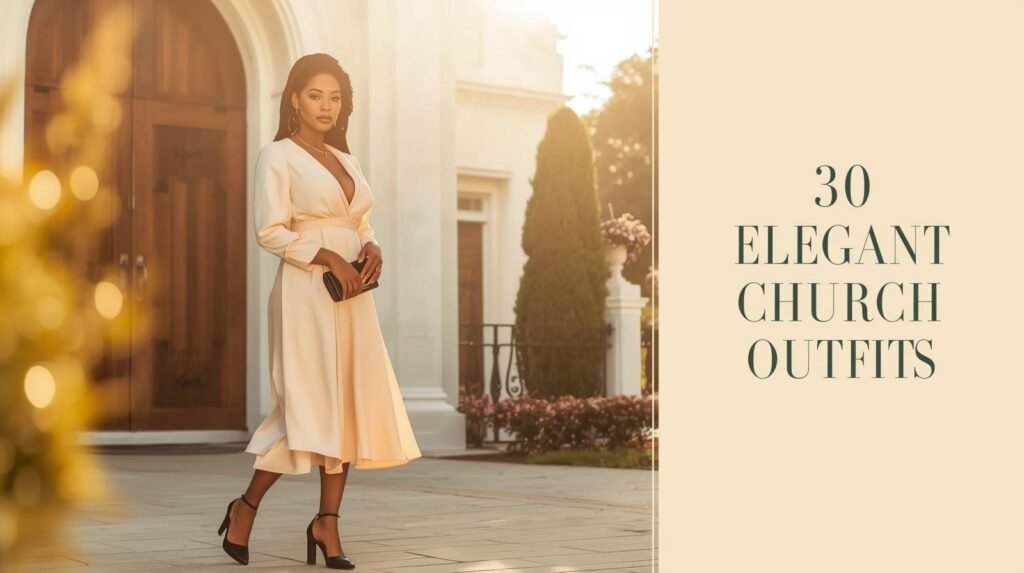
READ ALSO: 30 Elegant Church Outfit Ideas That Will Make You Look Classy
3. How to Style Necklaces Without Overdoing Them
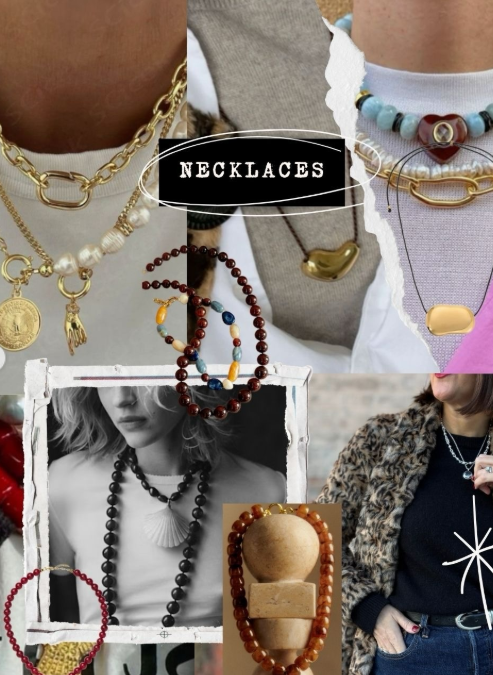
Necklaces can completely change the mood of an outfit. Some people prefer a delicate everyday chain, while others enjoy layering multiple necklaces together.
One of the easiest ways to create interest is by layering different lengths. This prevents necklaces from tangling and creates a more sophisticated appearance.
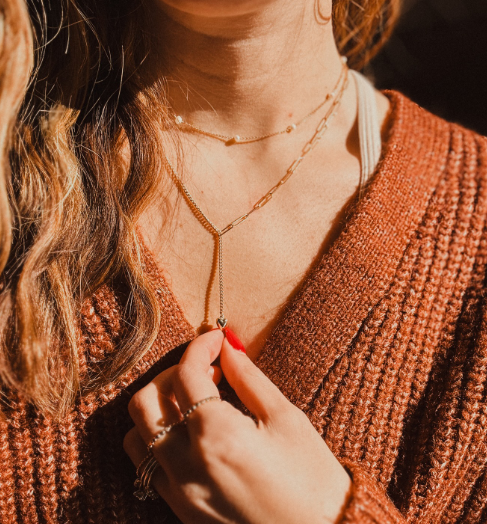
Start With a Base Necklace
Choose a short and simple chain that sits close to the neck.
Add a Medium-Length Piece
This second necklace creates depth and makes the layers feel intentional.
Finish With a Longer Pendant
A longer necklace naturally draws the eye downward and completes the layered look.
Mixing different chain styles and metals can create beautiful combinations without feeling overwhelming.
4. How to Style Bracelets and Rings
Bracelets and rings often get overlooked, but they add subtle details that make outfits feel more thoughtful. Stacking several delicate bracelets or rings creates texture and personality without dominating the outfit.
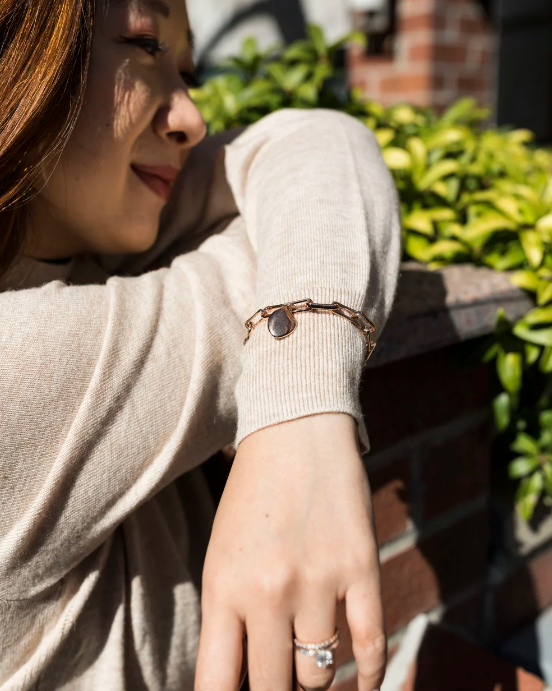
@AshleyGallerani
Don’t Be Afraid to Layer
Thin bracelets and rings work beautifully together. Different textures and metals can add interest while maintaining elegance.
Consider Your Hand Size
Smaller hands often look best with delicate pieces, while larger hands can carry bold statement rings beautifully.
Let One Piece Stand Out
If you’re wearing several bracelets, keep rings simple. If you have a large statement ring, avoid wearing too many additional pieces.
5. How to Use Belts to Transform Your Outfit
Belts do much more than hold clothing in place. They can define your waist, create structure, and make oversized pieces feel more flattering.
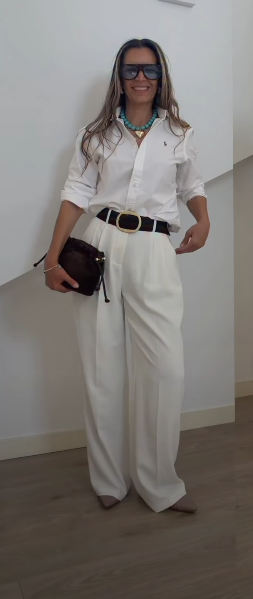
For Casual Looks
A classic leather belt works perfectly with jeans and trousers.
For Dresses and Blazers
Belts can add shape and make flowing silhouettes appear more structured.
Choose the Right Width
Thin belts provide subtle definition, while wide belts create stronger statements.
6. How to Choose the Right Bag
Handbags are both practical and stylish. The right bag can completely change the mood of an outfit.
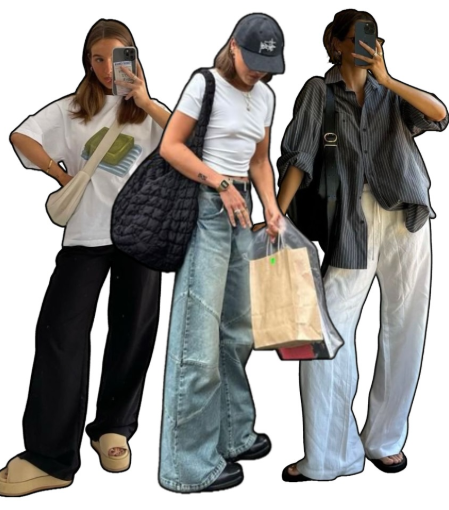
Casual Days
Crossbody bags and tote bags create effortless looks.
Professional Settings
Structured handbags add polish and sophistication.
Evening Events
Small clutches and elegant shoulder bags work beautifully with dressier outfits.
The size of the bag matters too. Large bags suit relaxed outfits, while smaller bags generally feel more refined.
7. How to Choose Shoes That Complete the Look
Shoes have the power to change the entire personality of an outfit. Sneakers create a casual vibe, while heels instantly add elegance.
Casual Outfits
White sneakers, sandals, and flats provide comfort and versatility.
Work Outfits
Loafers, pumps, and block heels create polished appearances.
Evening Looks
Strappy heels and elegant boots add sophistication.
Always prioritize comfort. Beautiful shoes lose their appeal quickly if they are painful to wear.
Common Accessorizing Mistakes to Avoid
Even stylish people make mistakes when it comes to accessories. Fortunately, most mistakes are easy to avoid.
❌ Wearing too many statement pieces together.
❌ Matching every accessory perfectly.
❌ Ignoring the occasion.
❌ Choosing uncomfortable shoes.
❌ Forgetting proportions.
❌ Overloading an outfit with colors and textures.
Remember that accessories should enhance an outfit, not compete with it.
Conclusion
The good news is that you don’t need to master everything at once. In fact, accessorizing becomes much easier when you start with simple pieces that you already love and gradually experiment with new combinations. A pair of earrings, a favorite handbag, or a classic watch can be enough to elevate even the simplest outfit. Over time, you will naturally begin to understand which colors, textures, and styles work best for you.
It is also important to remember that fashion is personal. While styling principles can provide guidance, there are no strict rules that must always be followed. Some people prefer delicate and minimal accessories, while others enjoy bold statement pieces and layered jewelry. The key is finding a balance that complements your clothing and fits your lifestyle. Accessories should never overpower an outfit. Instead, they should work together to create harmony and highlight your personal style.
As you become more confident, you’ll discover that accessorizing is less about perfection and more about creativity and self-expression. A simple belt can create shape, a scarf can add color, and the right pair of shoes can completely change the mood of an outfit. These small details may seem insignificant on their own, but together they can transform ordinary clothing into stylish and thoughtfully curated looks.
Ultimately, learning how to accessorize outfits is a skill that develops with practice. The more you experiment, the more natural it becomes. Trends will come and go, but timeless principles such as balance, proportion, and confidence will always remain relevant. By choosing accessories with intention and staying true to your personal taste, you can create outfits that not only look beautiful but also make you feel comfortable, confident, and uniquely yourself. Often, it is the smallest finishing touches that leave the biggest impression and turn a good outfit into a truly memorable one.