Attending The Nutcracker is a lovely excuse to dress up for a special occasion. The music, beautiful costumes, and festive atmosphere make the evening feel different from an ordinary night out. Still, deciding what to wear can be confusing, especially if you have never attended a ballet performance before. You might want something dressy without feeling overdressed or uncomfortable throughout the show.
When planning what to wear to the Nutcracker ballet, consider the performance time, theater dress code, winter weather, and your personal style. A velvet dress, a satin skirt, or tailored trousers can all work beautifully. The best choice is one that makes you feel confident while allowing you to sit comfortably and enjoy the performance. Let’s look at five practical outfits and how to make each one work for your visit.
Understand Your Body, Personal Style, and the Occasion
Before buying something new, take a moment to think about what you already enjoy wearing. You might feel most confident in dresses, prefer trousers, or like outfits that combine feminine details with structured pieces. Your Nutcracker outfit should reflect those preferences rather than make you feel like someone else.
Fit matters more than following a particular fashion rule. If you prefer a defined waist, look for a dress or outfit that gently follows your shape without digging into your stomach. If you enjoy a relaxed silhouette, try a flowing skirt or trousers with a little room through the legs. Neither option is better than the other. What matters is how comfortably the clothing sits on your body.
Fabric also deserves attention. Velvet feels substantial and festive, while satin creates a softer, dressier finish. Fine-knit tops and smooth blouses can make tailored outfits feel less stiff. Check whether the material pulls when you sit, creases easily, or feels uncomfortable against your skin.
Think about the entire evening, too. You may walk from a parking area, climb theater stairs, wait in a lobby, and remain seated for an extended period. Try your outfit at home before the event. Sit down, stand up, raise your arms, and walk around in it.
Finally, consider the occasion. A romantic date might inspire you to dress up a little more, while a daytime family outing could call for something relaxed and polished. You do not need to change your personal style to fit the ballet. You simply need to adapt it to the setting.
What Is the Right Dress Code for the Nutcracker Ballet?
There is no single dress code for every performance of The Nutcracker. Some theaters welcome everyday smart clothing, while others attract audiences who enjoy dressing up for the holidays. Before deciding on your outfit, check the venue’s website for any specific guidance. This is especially helpful if the performance takes place in a historic theater or forms part of a formal holiday event.
For a daytime matinee, you can usually keep things relatively relaxed unless the venue states otherwise. A long-sleeved midi dress, tailored trousers, or a skirt with a comfortable blouse can look appropriate without feeling overly formal. Rich colors, subtle patterns, and thoughtful accessories add a seasonal touch without requiring a full party outfit.
An evening performance gives you more room to dress up if that is what you enjoy. Velvet, satin, structured blazers, and polished jumpsuits can create a refined look. However, you do not need a floor-length gown, elaborate jewelry, or special occasion clothing purchased specifically for the show. A well-fitting outfit from your existing wardrobe can look just as appropriate.
Your plans before and after the performance also matter. If you are heading straight from dinner to the theater, choose something that works for both settings. For a family outing, prioritize clothes that let you move comfortably and manage your outerwear without difficulty.
If you are attending with children, remember that the experience should feel enjoyable rather than stressful. There is no need to make everyone wear formal clothing unless the occasion calls for it.
The easiest rule is to dress with a little intention while respecting the venue’s expectations. Clean, comfortable, coordinated clothing will serve you well at most performances.
My Top 5 Outfit Recommendations for Your Nutcracker Ballet Visit
If I were helping you prepare for your visit, I would start with these five outfits. Each offers a different approach, so you can choose according to your personal style, the performance time, and the clothes you already own.
Outfit 1: A Velvet Midi Dress for a Classic Holiday Look
If you want one outfit that feels naturally suited to a winter ballet performance, I would recommend a velvet midi dress. Velvet has a rich texture that looks appropriate for a special evening without requiring lots of additional styling. It is also easy to dress up with simple accessories.
Burgundy is a lovely choice if you enjoy traditional holiday colors. Emerald green creates a similarly festive effect, while navy and black offer a quieter, more understated look. Choose the color that works best with your existing coat and accessories rather than buying several new pieces to complete the outfit.
Pay attention to the dress’s cut. A gently fitted waist can create definition without making the outfit restrictive. If you prefer more room around your middle, look for a design with a relaxed waistline or a skirt that falls away from the body. A V-neck, square neckline, or simple round neckline can work well, depending on what you find comfortable.
The midi length is particularly practical because it feels dressy without requiring a floor-length hem. Make sure the skirt does not pull awkwardly when you sit or get caught beneath your chair.
For the finishing touches, keep things simple. Small earrings, a delicate necklace, or a single bracelet can complement the velvet without competing with its texture. Add a tailored winter coat for the journey to the theater.
I would choose this outfit for an evening performance, a ballet date, or a special holiday outing. It feels considered and festive, yet you can wear the dress again for a dinner, celebration, or another winter occasion.
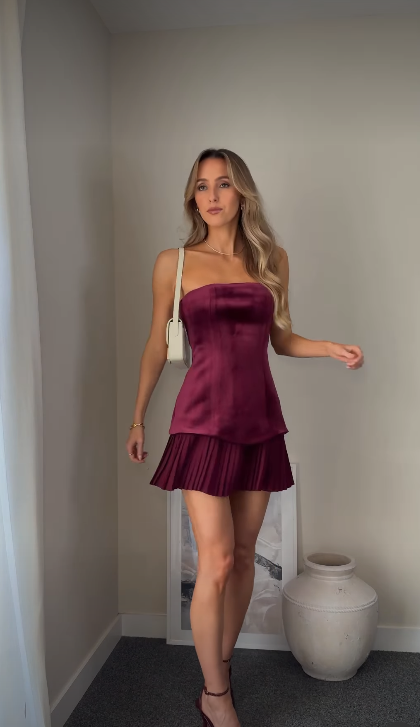
Outfit 2: A Satin Skirt and Soft Blouse for a Romantic Feel
If dresses are not your first choice but you still want a feminine, dressed-up look, try a satin midi skirt with a soft blouse. This combination gives you the same special-occasion feeling as a dress while letting you adjust the fit of each piece separately.
Start with a skirt that moves comfortably when you walk. Champagne, deep green, burgundy, and black are versatile options. A lighter satin skirt can look beautiful with a darker top, while a jewel-toned skirt works well with cream, ivory, or another understated neutral.
The blouse makes a noticeable difference to the overall outfit. A fluid blouse creates a softer appearance, while a fine-knit top offers a more relaxed alternative. You can also wear a simple shirt if that better matches your personal style.
Think about how the two pieces sit together. If the skirt has a defined waistband, try a light front tuck rather than forcing the entire blouse inside. This can help keep the outfit neat without creating unnecessary bulk. If tucking feels uncomfortable, choose a shorter top that sits naturally at the waistband.
Satin can cling or highlight lines underneath, so check the skirt in natural light and sit down while wearing it. If you prefer more coverage, a slightly heavier fabric or a skirt with a lining may feel more comfortable. There is no need to choose a particular cut simply because it is fashionable.
For accessories, I would add modest earrings and a small handbag. A structured coat can make the combination look more polished outdoors.
This outfit is especially useful if you want something romantic for a date or an evening performance. It also works for a matinee when you choose a simple blouse and keep the accessories understated.
Outfit 3: Tailored Trousers and a Blazer for Effortless Polish
You do not have to wear a dress or skirt to look appropriately dressed for the ballet. Tailored trousers and a blazer offer a smart alternative, particularly if you prefer clean lines and structured clothing.
Begin with trousers that fit comfortably around your waist and hips. Straight-leg and wide-leg styles can both work well. The right choice depends on your proportions, preferred silhouette, and the shoes you plan to wear. Make sure the hem falls neatly rather than dragging along the ground.
Next, choose a blouse or fine-knit top. A cream blouse creates a classic contrast with black trousers, while a darker top can give the outfit a more coordinated appearance. If you already own a well-fitting blazer, use it to bring the pieces together. Black, navy, and charcoal are versatile, but a deep seasonal color can add personality.
You do not need every piece to match exactly. Instead, focus on how the colors and textures work together. For example, a smooth blouse beneath a slightly textured blazer creates interest without making the outfit look busy.
Fit is particularly important with this combination. A blazer that pulls across the shoulders or trousers that dig into your waist will become uncomfortable during a performance. Try sitting down with the blazer fastened and unfastened to see which feels better. You may prefer to leave it open once you are inside the theater.
Keep the finishing details restrained. Small earrings, a simple belt if you enjoy wearing one, and a compact handbag are enough. You can also use a fine-knit top instead of a blouse if you prefer a softer feel.
I would recommend this outfit for anyone who wants a polished look without wearing a dress. It suits an evening performance, a theater visit after work, or dinner before the show. Best of all, you can reuse the individual pieces for many other occasions.
Outfit 4: A Long-Sleeved Midi Dress for a Daytime Performance
For a daytime performance, I would consider a long-sleeved midi dress. It offers a comfortable balance between everyday clothing and special-occasion dressing. You can make it look festive through its color, print, and accessories without making the outfit feel too formal.
A winter floral print is a good option if you enjoy patterned clothing. Look for a design with a darker background, muted flowers, or colors that work well with your coat. If prints are not your preference, a solid dress in navy, forest green, burgundy, or another rich shade can look equally appropriate.
The shape should suit how you like your clothes to fit. An A-line skirt gives you room through the hips, while a gently shaped dress offers a more defined silhouette. A relaxed waist can also work well if you do not enjoy fitted clothing. The goal is to feel comfortable throughout the performance, not to squeeze into a particular style.
Check the sleeves before committing to the dress. They should allow you to move naturally and should not feel restrictive beneath your coat. If you expect cold weather, you can add tights and a warm outer layer without making the outfit complicated.
Accessories can stay minimal. Small earrings, a simple handbag, and a neat coat are usually enough. If the dress already has a noticeable print, avoid adding several competing patterns or decorative details.
I would choose this look for a matinee, a family visit, or a first ballet experience when you want to feel dressed up without going overboard. It is also a useful option if you want a single outfit that works for lunch beforehand and the performance afterward.
Outfit 5: A Tailored Jumpsuit for a Modern Statement
If you enjoy one-piece dressing but want something different from a traditional dress, a tailored jumpsuit is worth considering. It creates a coordinated look without requiring you to match separate garments, making it a convenient option for a special evening.
Black is a dependable choice because it works with many coats and accessories. Navy offers a slightly softer alternative, while burgundy or another rich seasonal shade can make the outfit feel more festive. You can keep the color simple and let the cut provide most of the visual interest.
Look for a jumpsuit with a comfortable waist and enough room through the hips and thighs. A gently defined waist can create shape, while a relaxed cut offers more freedom of movement. The neckline is another consideration. A simple V-neck or square neckline can look polished without requiring elaborate jewelry.
Before wearing it to the theater, sit down and check the fit carefully. Some jumpsuits feel comfortable while standing but pull across the body when seated. Make sure the rise, waistband, and leg length all work for you. Also consider how easy the garment is to remove when using the restroom. This practical detail is easy to overlook when shopping for a special occasion.
For styling, I would keep the accessories simple. A small pair of earrings, a subtle bracelet, and a structured coat can complete the outfit. If the jumpsuit already has an interesting neckline or waist detail, you do not need to add much else.
This option suits someone who prefers modern, streamlined clothing or does not enjoy wearing skirts. It can work beautifully for an evening performance, especially when paired with polished accessories. You will also have a versatile piece for dinners, parties, and other occasions throughout the year.
How to Choose the Right Coat and Layers
Your outfit does not end when you step outside the theater. Winter weather can make the journey to a performance uncomfortable if you have not planned for warmth. At the same time, a heavy coat or bulky layers may feel inconvenient once you are indoors.
A wool coat is a practical choice for a colder evening. Its structured appearance works well with a velvet dress, tailored trousers, or a jumpsuit. Choose a length that allows you to move comfortably and does not overwhelm the outfit underneath.
A tailored coat is another good option if you prefer a neat, coordinated look. Neutral colors such as black, camel, charcoal, and navy work with many different outfits. If you already own a coat that fits well and keeps you warm, there is no need to buy a new one just for the ballet.
For milder weather, a lighter formal layer may be enough. A blazer can provide some warmth, but it may not replace a proper winter coat in genuinely cold conditions. Plan for the actual temperature rather than relying on the appearance of the outfit.
Layers should also be easy to remove. A fine-knit top beneath a coat, for example, can offer more flexibility than several thick garments worn together. Check whether your venue has a coat check before deciding how much outerwear to bring.
Finally, consider the fit of your coat over the entire outfit. It should close without pulling across your shoulders and leave enough room for your sleeves. A comfortable, weather-appropriate coat will help you arrive feeling relaxed rather than distracted by the cold.
Shoes and Accessories That Complete Your Outfit
The right shoes should complement your outfit while allowing you to walk comfortably. You may need to cover some distance between the parking area, entrance, lobby, and seating section. Theater stairs can also make unstable or uncomfortable footwear difficult to manage.
Low heels are a practical option if you enjoy wearing them. Dressy flats work well with midi dresses, satin skirts, and tailored trousers. Loafers can complement a more structured outfit, while suitable ankle boots offer additional coverage in colder weather.
Check the hem of your trousers or dress while wearing the shoes you intend to use. A hem that catches beneath your footwear can become annoying when walking. If you are wearing new shoes, test them at home first rather than discovering uncomfortable pressure points on the evening.
Accessories should support the outfit rather than compete with it. Small earrings, a delicate necklace, or a simple bracelet can be enough for a polished appearance. A compact handbag is useful for carrying your essentials without becoming cumbersome in a crowded lobby.
If your outfit already has a strong color or texture, keep the remaining details quiet. Velvet, satin, and patterned fabrics can make an impression without extra embellishment.
Avoid accessories that make unnecessary noise or headwear that obstructs another person’s view. You want to enjoy the performance without worrying about your outfit throughout the show.
Common Outfit Mistakes to Avoid
One common mistake is choosing clothing based entirely on how it looks while standing. A fitted dress or jumpsuit may look lovely in front of a mirror but feel restrictive when you sit. Always test the fit before leaving home, especially around the waist, hips, and shoulders.
Another mistake is assuming the ballet requires formal eveningwear. Unless your venue specifies otherwise, you can often wear a polished outfit made from pieces you already own. Buying a floor-length gown for a standard performance is unnecessary if it does not suit your lifestyle.
Ignoring the weather can also affect your experience. A beautiful outfit will not feel practical if you are cold while waiting outside. Plan your coat and layers alongside the main clothing rather than treating them as an afterthought.
Avoid wearing untested footwear, too. Even attractive shoes can become uncomfortable during walking or climbing stairs. Give new pairs a trial at home before the event.
Too many festive details can make an outfit feel less balanced. If you wear a richly colored velvet dress, for example, you may not need several statement accessories as well. Choose one or two details you genuinely enjoy.
Finally, do not assume that every theater follows the same expectations. Check the venue’s guidance, consider the performance time, and dress accordingly. You can look polished without making the process complicated.
A Simple Outfit-Planning Checklist
Before heading to The Nutcracker, take a few minutes to check the practical details. This small step can prevent last-minute outfit changes and help you enjoy the occasion.
- Check the performance: Confirm the show time and look for any venue-specific dress guidance.
- Test the fit: Sit, walk, and move your arms in your chosen outfit. Nothing should pull or restrict your movement.
- Plan for the weather: Choose a coat and layers suited to the forecast and your journey to the theater.
- Check your footwear: Make sure your shoes are comfortable and work with your outfit’s hemline.
- Keep accessories manageable: Bring a handbag that is easy to carry and avoid details that may become distracting.
- Prepare everything beforehand: Try on the complete outfit, including your coat, rather than deciding on each piece separately.
You do not need a complicated wardrobe to dress well for the ballet. A little preparation is enough to help you feel comfortable, confident, and ready for the evening.
Conclusion
A visit to The Nutcracker is an opportunity to enjoy a special performance while wearing something that feels like you. When deciding what to wear to the Nutcracker ballet, consider the venue, weather, performance time, and your preferred style. A velvet dress, satin skirt, tailored trousers, long-sleeved midi dress, or jumpsuit can all be suitable choices. Focus on comfortable fit, practical layers, and accessories that complement your outfit. You do not need to follow strict fashion rules or buy an entirely new wardrobe. Choose an outfit that makes you feel good, then enjoy the music, atmosphere, and experience.